 In her bi-weekly column, “State of the Territory,” former Sen. Janelle K. Sarauw delves deeper into issues of concern for V.I. residents.
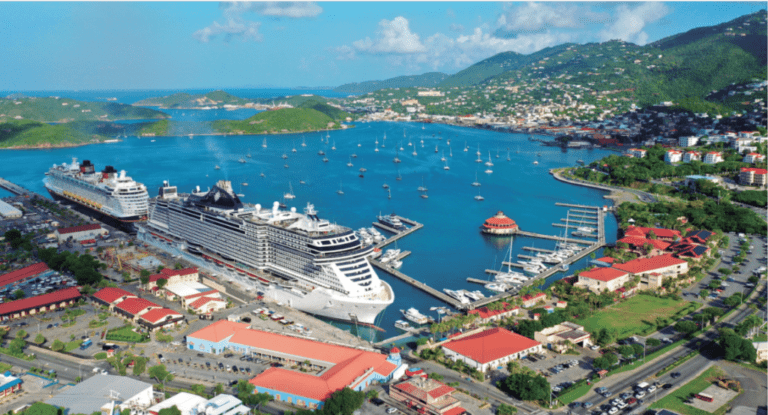
The COVID-19 pandemic dealt a heavy blow to economies around the world, but for the U.S. Virgin Islands, the impact was especially severe. As a territory that relies heavily on tourism—accounting for a significant portion of local revenue and employment—the pandemic shutdowns brought the industry to a grinding halt. Flights were canceled, cruise ships stopped docking, and hotels sat empty. While tourism is slowly rebounding, the pandemic has exposed the vulnerabilities of depending so heavily on a single industry. Now is the time for the USVI to not only rebuild its tourism sector but also to take bold steps toward diversifying its economy.
Rebuilding Tourism Post-COVID: A New Approach
Tourism has long been the backbone of the Virgin Islands’ economy, providing jobs, revenue, and global visibility. As the world reopens and people start to travel again, the Virgin Islands must find ways to market itself in a post-COVID landscape that is radically different from the pre-pandemic world.
Marketing in a Post-COVID World
The pandemic has changed the way people think about travel. Tourists are now more interested in health and safety, privacy, and environmental sustainability. For the USVI, this presents an opportunity to highlight what makes the islands unique—wide-open spaces, natural beauty, and a slower pace of life that appeals to travelers looking for more meaningful, safe, and restorative experiences.
The USVI can position itself as a health-conscious destination, emphasizing strict health protocols, enhanced safety measures, and clean, well-maintained facilities. Marketing efforts should also focus on promoting the islands’ outdoor activities—beaches, hiking, watersports, and eco-tourism—that allow visitors to enjoy the natural environment while avoiding crowds. Showcasing the Virgin Islands’ ability to offer these kinds of experiences can help attract the modern traveler who is seeking both safety and adventure in a post-pandemic world.
The Case for Economic Diversification
While tourism will always be an essential part of the USVI economy, the pandemic has made it clear that diversification is critical for long-term stability. Relying on tourism alone leaves the territory vulnerable to external shocks—be it from global pandemics, natural disasters, or changes in travel behavior.
Now more than ever, the USVI must explore new industries to create a more resilient and self-sustaining economy. The key areas for diversification are renewable energy, technology, and agriculture—all of which present unique opportunities for growth and stability.
-
- Investing in Renewable Energy: A Path to Sustainability and Self-Sufficiency
The USVI’s dependence on imported fossil fuels for its energy needs has long been a challenge. The pandemic has underscored the importance of self-reliance, and transitioning to renewable energy is not only environmentally responsible but also economically beneficial.
The Virgin Islands receive over 3,000 hours of sunlight annually, making solar energy a natural fit for the territory. Similarly, the islands’ coastal position presents opportunities to harness wind power. By investing in renewable energy, the USVI could significantly reduce its dependency on imported oil, which accounts for over 90% of its energy production. In fact, transitioning to renewable sources could save the USVI millions of dollars each year, money that could be reinvested into local infrastructure and services.
In 2017, after the devastation of Hurricanes Irma and Maria, the USVI set ambitious goals to achieve 60% of its energy from renewable sources by 2025, yet progress has been slow. Now is the time to accelerate these efforts. Investments in solar farms, wind energy projects, and even exploring geothermal potential could reduce energy costs for businesses and households, making the territory more competitive and attractive to investors.
Moreover, by embracing green energy initiatives, the Virgin Islands could position itself as a Caribbean leader in sustainability, potentially attracting eco-conscious tourists and partnerships with global companies looking to invest in green energy solutions. For example, the USVI has already engaged in discussions with companies like Tesla’s SolarCity to create a framework for sustainable energy. Expanding these collaborations could create high-paying jobs in the energy sector while establishing the islands as a beacon of renewable energy innovation.
-
- Developing the Tech Industry: A Digital Future for the Virgin Islands
The COVID-19 pandemic revolutionized the way the world works, accelerating the shift toward remote work and digital innovation. The USVI can take advantage of this trend by positioning itself as a hub for tech startups and remote work professionals.
One of the Virgin Islands’ most attractive qualities is its tropical beauty. For remote workers, the allure of working from paradise is powerful. However, to capitalize on this potential, the territory must invest in digital infrastructure. Expanding high-speed internet access, improving reliability, and reducing costs are essential steps.
The global trend toward remote work is expected to continue post-pandemic, and the USVI could attract professionals in fields such as software development, digital marketing, and online education. By offering incentives such as tax breaks for tech companies and remote workers, the Virgin Islands can become a magnet for the digital nomad community. Furthermore, building co-working spaces and fostering a culture of entrepreneurship could stimulate the local economy and create a support network for new businesses.
In addition to attracting remote workers, the USVI could cultivate its own homegrown tech talent. Establishing partnerships with U.S. universities and tech companies could help develop coding academies, IT training programs, and tech incubators for local residents. These efforts would not only create jobs but also empower a new generation of Virgin Islanders with the skills needed to compete in the global tech economy.
Developing a tech sector offers economic benefits that tourism alone cannot provide. The tech industry is less vulnerable to natural disasters and global crises, providing a stable source of employment and revenue year-round. With strategic investments, the USVI could become the Caribbean’s Silicon Valley, attracting tech talent and businesses from around the world.
-
- Expanding Agriculture: Food Security and Economic Independence
During the pandemic, the fragility of global supply chains became evident. The Virgin Islands, which imports a large percentage of its food, experienced significant challenges in maintaining food supplies. Expanding local agriculture would not only improve food security but also create jobs and foster a greater sense of self-sufficiency.
Historically, the Virgin Islands have a rich agricultural tradition, and with the right investments, that heritage can be revived. The USDA has identified that the USVI has the potential to grow a wide variety of crops, including fruits, vegetables, and herbs, as well as raising livestock. By promoting small-scale farming cooperatives and encouraging young people to pursue careers in agriculture, the territory could reduce its dependence on imports.
A key aspect of developing agriculture is integrating it with the tourism industry. The USVI can create farm-to-table initiatives where local restaurants and hotels source their food from nearby farms. This would not only support local farmers but also enhance the visitor experience, as tourists increasingly seek authentic, locally sourced meals.
Additionally, the territory could explore agritourism—an industry that combines agriculture and tourism. Visitors could tour local farms, participate in harvesting activities, and even take cooking classes featuring local ingredients. Agritourism not only provides an additional revenue stream for farmers but also educates visitors about the islands’ agricultural history and encourages sustainable food practices.
With strategic investment in modern farming techniques, such as hydroponics and aquaponics, agriculture could thrive even with limited land resources. By prioritizing local agriculture, the Virgin Islands can build a more resilient food system that benefits both residents and tourists.
Conclusion: A Resilient Future for the USVI
The COVID-19 pandemic has forced the U.S. Virgin Islands to reassess its economic future. While tourism will always remain a cornerstone of the economy, it is no longer enough to rely on a single industry. Investing in renewable energy, developing a tech industry, and expanding agriculture will not only create jobs but also strengthen the territory’s resilience to future crises.
By embracing these opportunities, the USVI can build a more diverse, stable economy—one that secures prosperity for generations to come. The path forward requires bold leadership and thoughtful investments.
Editor’s Note: Opinion articles do not represent the views of the Virgin Islands Source newsroom and are the sole expressed opinion of the writer. Submissions can be made to visource@gmail.com.