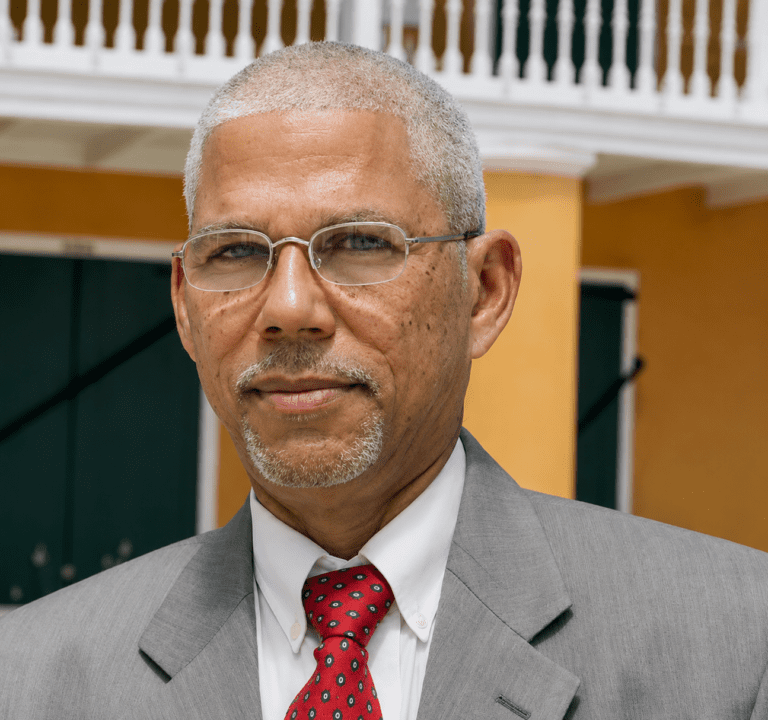
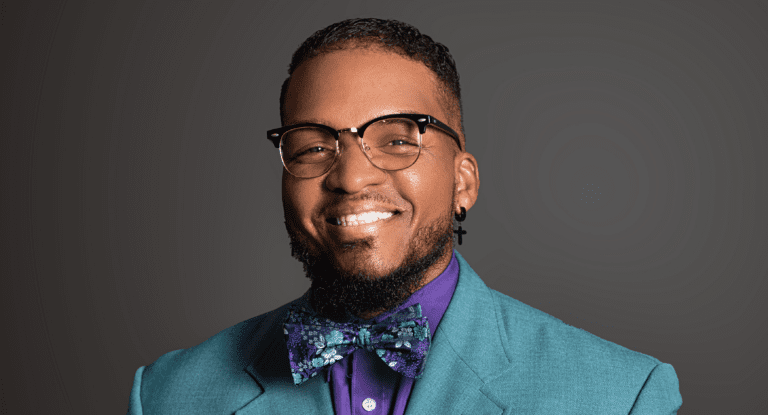
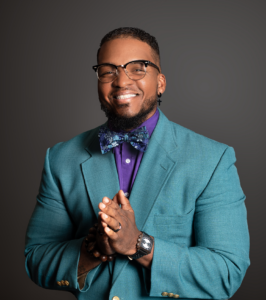
 In his biweekly column, Langley Shazor speaks to issues important to men within the territory.
Love is not a single language. It is a collection of dialects shaped by experience, upbringing, and expectation. One of the greatest misunderstandings between men and women is not about whether love exists, but about how it is felt. Many women experience love through emotional closeness, consistent communication, and visible affection. Many men experience love through respect, trust, and acknowledgment of effort. When these languages are not understood, both sides feel unloved even when love is present.
For many men, respect is not about superiority. It is about significance. It is the sense that their role, their effort, and their intentions matter. When a man feels respected, he feels secure in the relationship. That security gives him the freedom to be open, generous, and emotionally available. When he feels dismissed or constantly corrected without balance, it can quietly erode his confidence. The issue is rarely about ego alone. It is about identity.
From a young age, boys are often taught that their value comes from competence. They are praised when they solve problems, fix what is broken, or take initiative. Over time, competence becomes tied to worth. In adulthood, when effort goes unnoticed or intentions are assumed to be careless, it can feel like rejection. Respect communicates that his effort is seen even when the outcome is imperfect. It says, “I trust you. I value you. I believe in your intention.”
This does not mean men require blind agreement or immunity from accountability. Respect is not silence in the face of wrong. It is the tone and posture with which correction is delivered. A conversation grounded in dignity preserves connection. A conversation driven by contempt fractures it. When disagreements maintain mutual regard, they strengthen the relationship instead of weakening it.
Women often interpret respect differently. For many women, feeling secure in a relationship comes from emotional consistency and attentiveness. They want to know their feelings will be received without dismissal. When that emotional security is shaken, they may respond with intensity. The challenge arises when each person is expressing love in a way the other does not instinctively recognize.
If a woman expresses frustration about feeling unheard, she is often asking for reassurance. If a man expresses frustration about feeling disrespected, he is often asking for acknowledgment. Neither is inherently wrong. The breakdown occurs when these requests are interpreted as attacks rather than invitations.
Respect in a man’s language often looks like trust. Trust that his effort is sincere. Trust that he is capable. Trust that he is not the enemy in every conflict. When a man feels that his partner assumes the best of him rather than the worst, he responds with greater openness. Suspicion tightens communication. Trust expands it.
Respect also looks like appreciation. Verbal acknowledgment of effort, even small effort, reinforces connection. Many men are motivated not by applause but by affirmation. When appreciation is absent, it can create quiet discouragement. When appreciation is present, it fuels engagement. A man who feels valued is far more likely to initiate affection, conversation, and vulnerability.
The absence of respect can create defensiveness. If every mistake is magnified and every strength minimized, a man may retreat emotionally. He may become guarded, not because he does not care, but because he feels perpetually evaluated. Respect provides breathing room. It allows growth without humiliation. It allows correction without shame.
At the same time, men must recognize that respect is reciprocal. Demanding respect while offering little emotional safety creates imbalance. Respect cannot be commanded. It is cultivated through consistency, integrity, and humility. A man who listens attentively, speaks calmly, and follows through on his word naturally earns respect. It becomes mutual rather than negotiated.
Understanding this difference in emotional language reduces unnecessary conflict. When a woman offers reassurance and affirmation intentionally, she often sees a shift in energy. When a man offers emotional attentiveness and validation intentionally, he sees the same. Love begins to feel less like a negotiation and more like collaboration.
There is also a cultural component to consider. Public discourse often frames respect as hierarchy. In healthy relationships, respect is partnership. It is not about control. It is about mutual regard. It is about speaking to one another in ways that preserve dignity even in disagreement.
When respect and emotional security are both present, something powerful happens. Communication becomes less reactive. Affection becomes more natural. Conflict becomes productive rather than destructive. Both partners begin to feel safe enough to reveal their deeper selves.
Men do not need perfection. They need partnership that acknowledges their effort and trusts their intention. Women do not need dominance. They need consistency and emotional presence. When both are given, love deepens in ways that surprise even the people involved.
Respect is not the absence of love. It is one of its expressions. For many men, it is the clearest signal that love is real. When that signal is strong, vulnerability increases. Walls lower. Conversations open.
Understanding that respect functions as love in a man’s language does not diminish a woman’s needs. It enhances clarity. It allows both sides to express care in ways the other can receive. The bridge between men and women strengthens not when one language wins, but when both are spoken fluently.
When love and respect move together, connection stabilizes. And stability, over time, becomes trust.
Editor’s Note: Opinion articles do not represent the views of the Virgin Islands Source newsroom and are the sole expressed opinion of the writer. Submissions can be made to visource@gmail.com.
Related Links:
Op-Ed: The Lounge | A Column for Men: Before the Bridge: Why This Work Matters
Op-Ed: The Lounge | A Column for Men: Before the Bridge: What Men Wish Women Knew and Why We Never Said It
Op-Ed: The Lounge | A Column for Men: Before the Bridge: What Women Wish Men Would Hear
Op-Ed: The Lounge | A Column for Men: Before the Bridge: When Strength Looks Different