

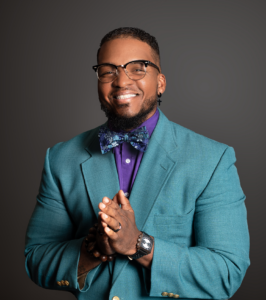
 In his biweekly column, Langley Shazor speaks to issues important to men within the territory.
For generations, strength has been defined in narrow terms. It has been measured by volume, dominance, endurance, and control. A strong man was the one who did not flinch, did not fold, and did not feel too much. He was steady, unshaken, and often unreachable. That image became the blueprint for masculinity, and many men shaped themselves around it, whether it fit or not.
But strength is evolving.
The world today demands a different kind of resilience. It requires men who can lead without intimidation, who can endure without emotional shutdown, and who can hold responsibility without losing their humanity. The traditional image of strength as stoicism alone is no longer sufficient. In relationships, especially, strength that refuses to feel becomes distance, and distance erodes connection.
When strength looks different, it does not mean it disappears. It becomes more complete.
True strength includes emotional mastery. It is the ability to remain grounded when conflict arises. It is the discipline to pause before reacting and the wisdom to choose words carefully. It is restraint in moments when pride wants to escalate. Many men were taught that raising their voice proves authority. In reality, control over one’s tone and temper often reveals far greater power.
Emotional steadiness is not softness. It is regulation. A man who can manage his anger without suppressing it demonstrates depth, not weakness. A man who can acknowledge hurt without deflecting it shows security, not fragility. These expressions of strength are quieter, but they are often more transformative. They create safety in relationships rather than fear.
Women often struggle to recognize this shift because it challenges older expectations as well. Some may unconsciously associate strength with dominance simply because that was the model they grew up observing. When a man chooses calm over control, it can initially feel unfamiliar. But calm leadership creates consistency. Consistency builds trust. And trust forms the foundation of emotional security.
Strength that looks different also includes accountability. Admitting fault has long been seen as diminishing authority. Yet in healthy relationships, accountability increases respect. When a man can say, “I was wrong,” without collapsing into shame or defensiveness, it signals maturity. It communicates that the relationship matters more than ego. That posture does not reduce influence. It deepens it.
Another expression of evolved strength is vulnerability with boundaries. Vulnerability does not mean emotional chaos or unfiltered expression. It means choosing to share internal experiences in ways that invite connection. A man who can articulate stress, fear, or uncertainty without feeling diminished demonstrates self-awareness. He is not abandoning strength. He is expanding it.
Strength also shows up in patience. In a culture that rewards immediacy and reaction, patience requires intention. It is the willingness to sit in discomfort long enough to understand before responding. Many relational conflicts escalate because neither side pauses. When a man models patience, he changes the rhythm of the conversation. He signals that clarity is more important than control.
There is also strength in emotional presence. Being physically present but emotionally absent is not resilience. It is withdrawal. Emotional presence means engaging, listening, and responding with care. It means showing up consistently, not only when convenient. This kind of presence reassures a partner far more than performative gestures.
For men who were raised in environments where emotion was minimized, this transition can feel unnatural. It requires unlearning habits that once protected them. It requires stepping into spaces that feel unfamiliar. But growth always feels unfamiliar at first. The discomfort is not proof of weakness. It is evidence of expansion.
Strength that looks different benefits everyone involved. Women feel safer when emotional steadiness replaces volatility. Children feel more secure when they see fathers express both conviction and compassion. Communities become healthier when leadership reflects balance rather than bravado.
Importantly, redefining strength does not require abandoning traditional masculine traits. Decisiveness, protection, ambition, and responsibility still matter. The difference lies in how they are expressed. Decisiveness paired with empathy becomes wise leadership. Protection paired with gentleness becomes safety. Ambition paired with humility becomes purpose. Responsibility paired with rest becomes sustainability.
The tension between men and women often arises when strength is misinterpreted. A man who withdraws to regulate himself may be seen as detached. A man who expresses frustration calmly may be seen as cold. Communication becomes essential here. Explaining intention reduces assumption. When men articulate why they respond the way they do, and women articulate how those responses feel, clarity replaces confusion.
Strength is not static. It adapts to context. What once required physical endurance now often requires emotional intelligence. What once required dominance now often requires diplomacy. The strongest man in a room today may not be the loudest or the most imposing. He may be the one who listens carefully, speaks deliberately, and responds thoughtfully.
When strength looks different, relationships flourish because fear is replaced with respect. Performance gives way to authenticity. Pride yields to partnership. Men are no longer forced to choose between being strong and being emotionally available. They discover that the two can coexist.
This shift does not weaken masculinity. It refines it. It allows men to embody both firmness and empathy without contradiction. It creates space for relationships built on mutual understanding rather than silent tension.
When strength evolves, connection deepens. And when connection deepens, the bridge between men and women becomes far more stable than any display of dominance ever could.
Editor’s Note: Opinion articles do not represent the views of the Virgin Islands Source newsroom and are the sole expressed opinion of the writer. Submissions can be made to visource@gmail.com.
Related Links:
Op-Ed: The Lounge | A Column for Men: Before the Bridge: Why This Work Matters
Op-Ed: The Lounge | A Column for Men: Before the Bridge: What Women Wish Men Would Hear