
Home Blog Page 80

STJ Residents Lash Out at WAPA CEO During Town Hall Meeting

0

Editor’s Note: This is part one, which covers the cause of the recent extended power outage on St. John.ย 

St. John residents let out decades of pent-up resentments at a town-hall meeting hosted by Karl Knight, CEO of the Virgin Islands Water and Power Authority on Wednesday evening.

Residents piled into the Julius E. Sprauve School cafeteria in Cruz Bay to vent their frustrations that peaked as a result of a power outage that began on Saturday night, March 14, and finally ended on Tuesday morning, March 17, with intermittent outages following the next day.

Knight spent three hours explaining the cause of the disruption and taking questions from audience members about plans to replace compromised submarine cables from St. Thomas, install generators, swap out faulty electrical meters, and develop solar energy sources.
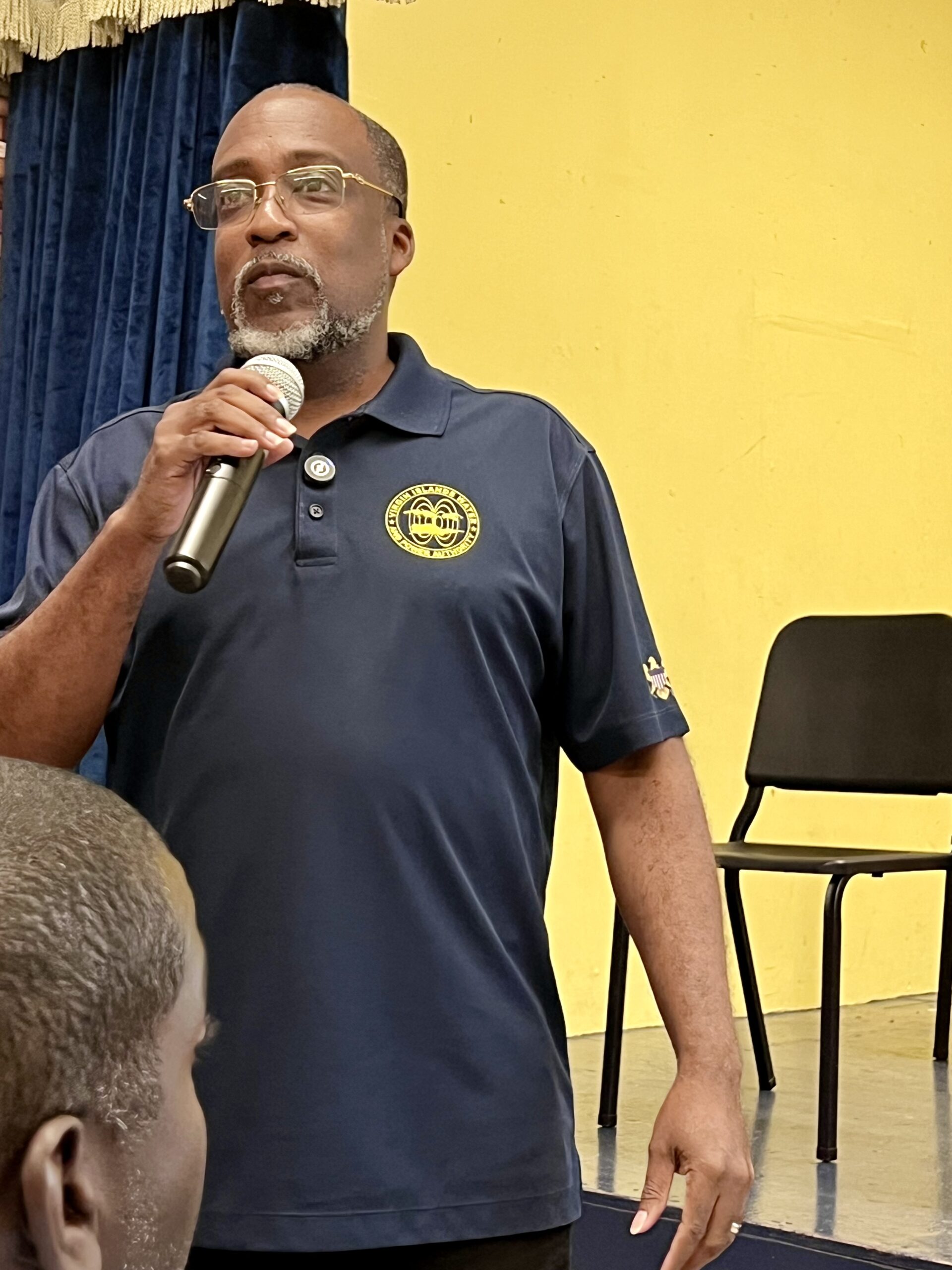
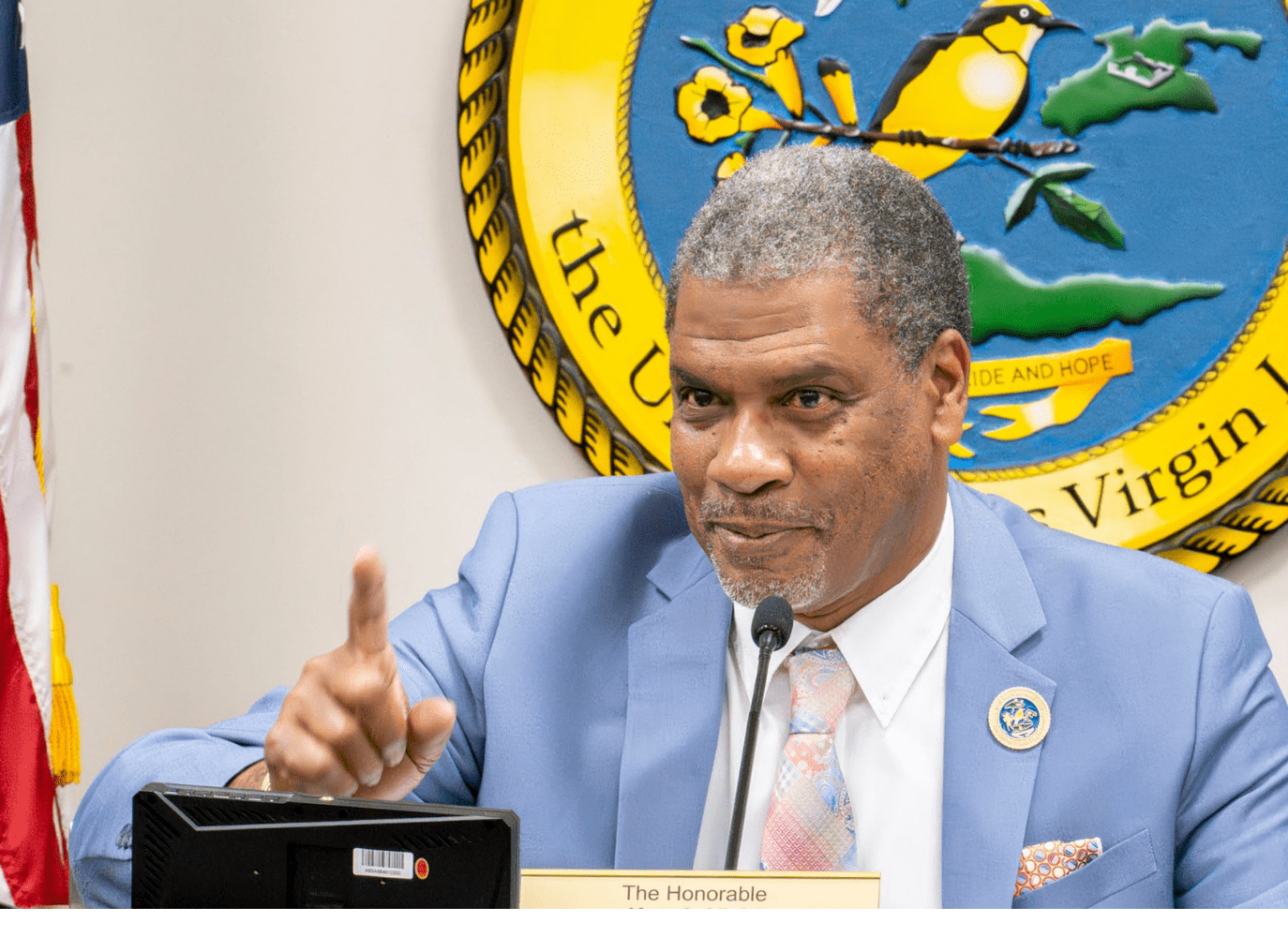
Karl Knight, WAPA CEO, fields a question during the town hall meeting in Cruz Bay. (Source photo by Amy H. Roberts)

But he was also forced to address โ€œthe human factorsโ€ โ€” food and medicine (and money) lost because of lack of refrigeration, seniors left alone in the dark, and the failure of WAPA staff to keep the public informed during the outages, as well as provide accountability with billing issues.

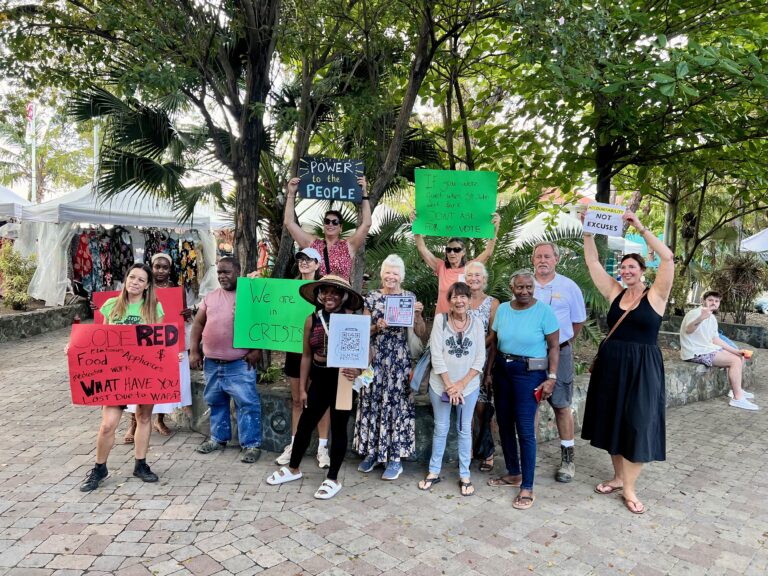
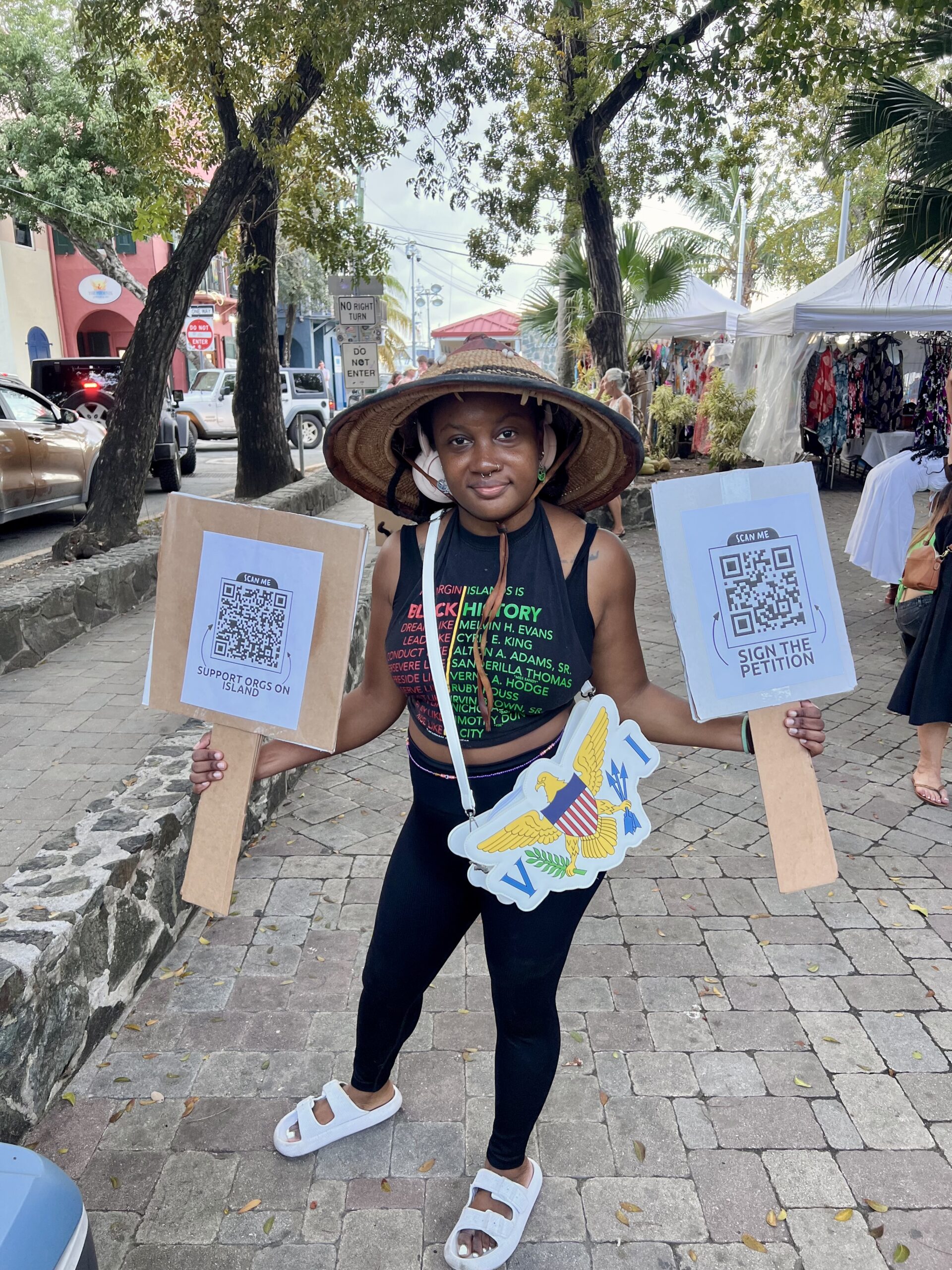
The meeting was preceded by a demonstration held in Frank Powell Park in Cruz Bay. Protesters urged passersby to attend the meeting and sign a petitionย demanding that WAPA become accountable in a number of ways, including declaring a state of emergency, which would allow the public to file claims for losses resulting from the outage.
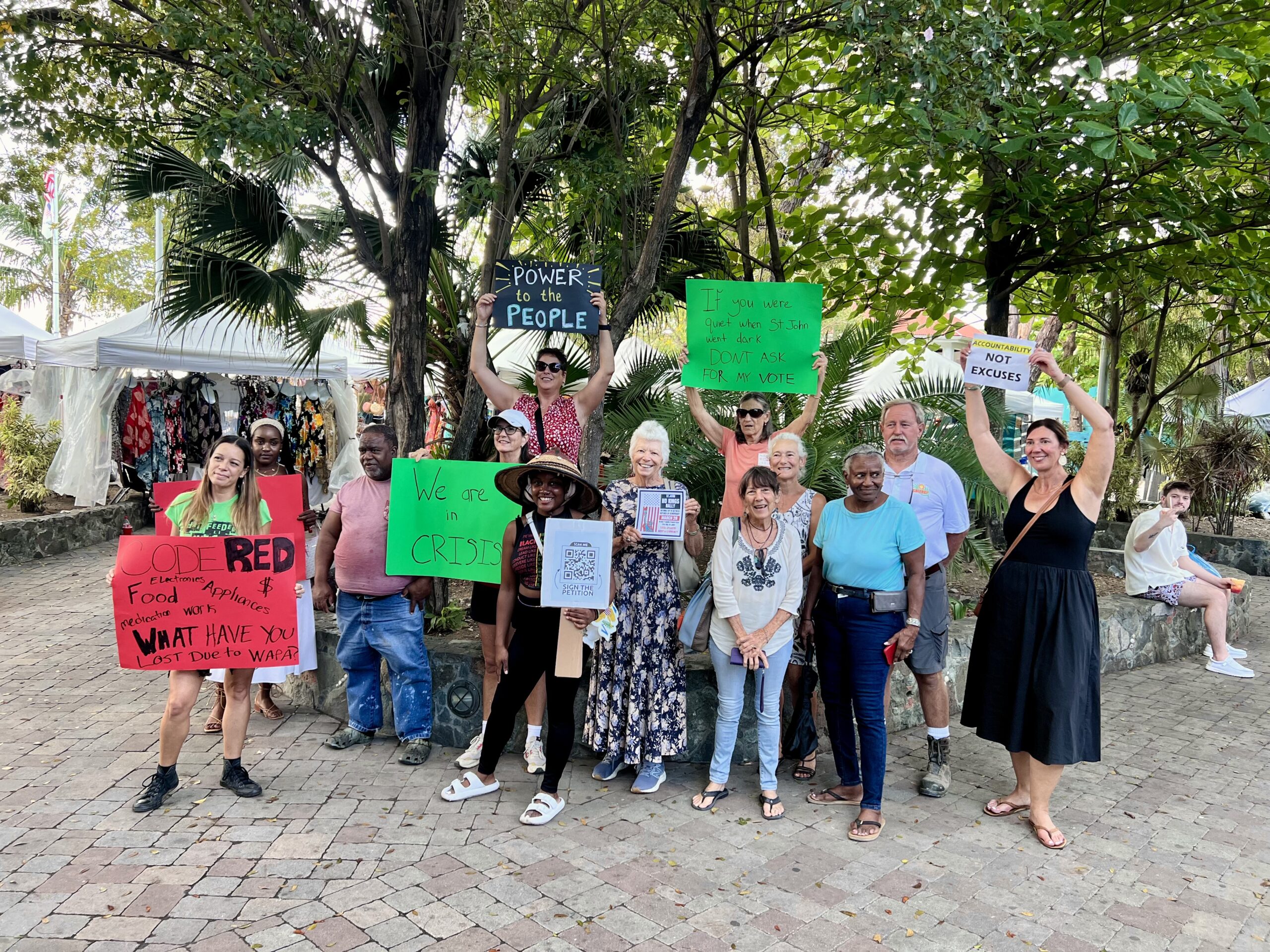
St. John residents hold signs in Frank Powell Park prior to WAPAโ€™s town hall meeting on St. John on Wednesday. (Source photo by Amy H. Roberts)
Raven Phillips holds signs directing the public to use a QR code to access a petition for greater accountability from WAPA. (Source photo by Amy H. Roberts)

As people piled into the Sprauve School cafeteria at 5:30 p.m., the sound system failed and the scene became more chaotic. Frustration mounted when it became known that WAPA was not able to livestream the meeting on Facebook because of an internet outage earlier in the day. However, the meeting was recorded on a cellphone and can be seen here.
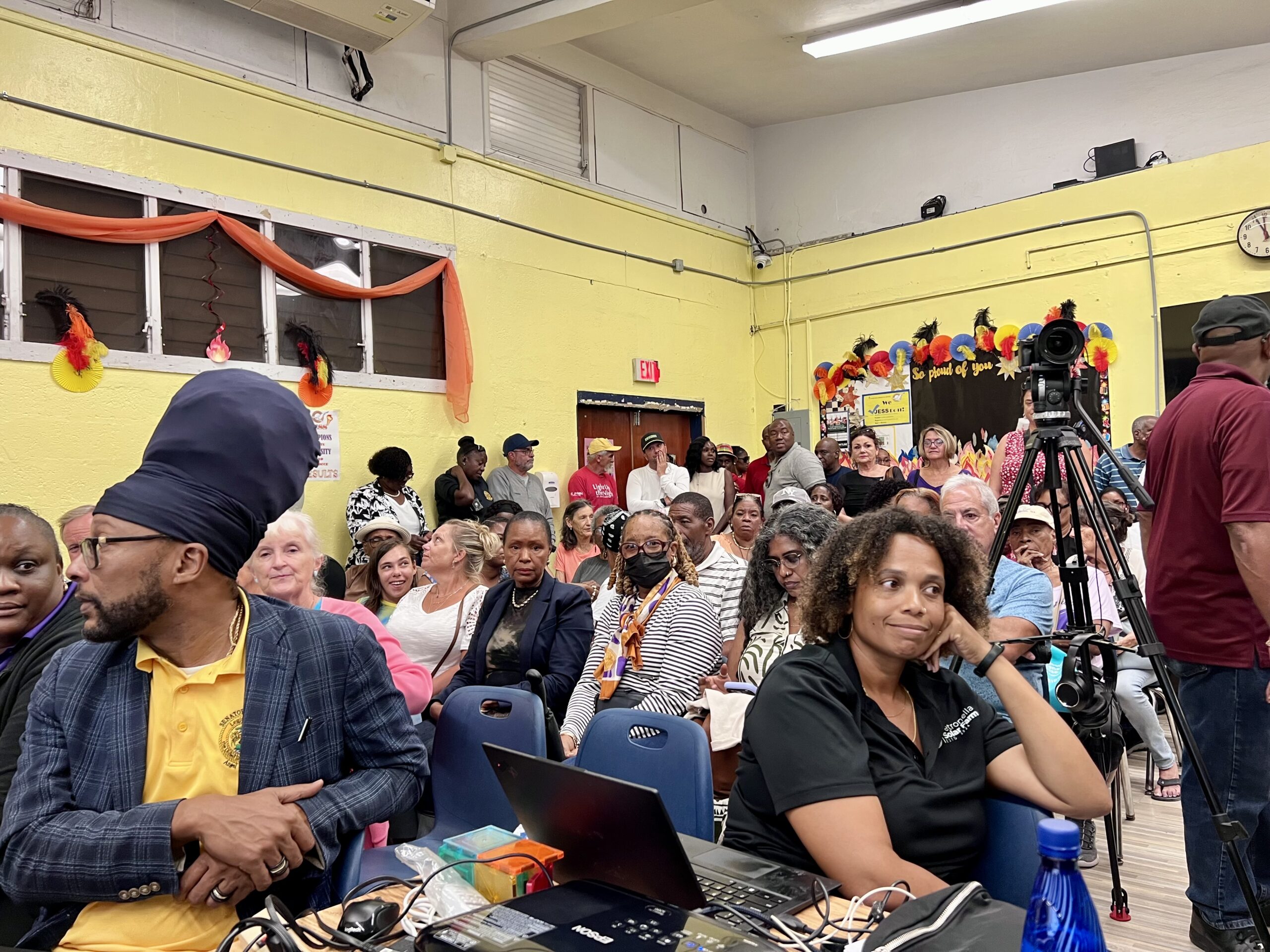
Audience members, including Sen. Angel Bolques, await the replacement of a faulty sound system at the St. John town hall meeting on Wednesday. Shannell Spencer, director of corporate communications, is in the right foreground. (Source photo by Amy H. Roberts)

Causes of the outage

Knight began the meeting, which was planned in February before the March outage occurred, by explaining what went wrong on March 14. The outage was rumored to be caused by a failure of the submarine cable between St. Thomas and St John, but Knight said the submarine portion of the cable was not at fault. It appears that a land-based part of the cable was damaged by an act of vandalism.

Knight showed a photo of a cable in Red Hook with cuts that were apparently man-made, perhaps by vandals, perhaps by someone attempting to steal copper.
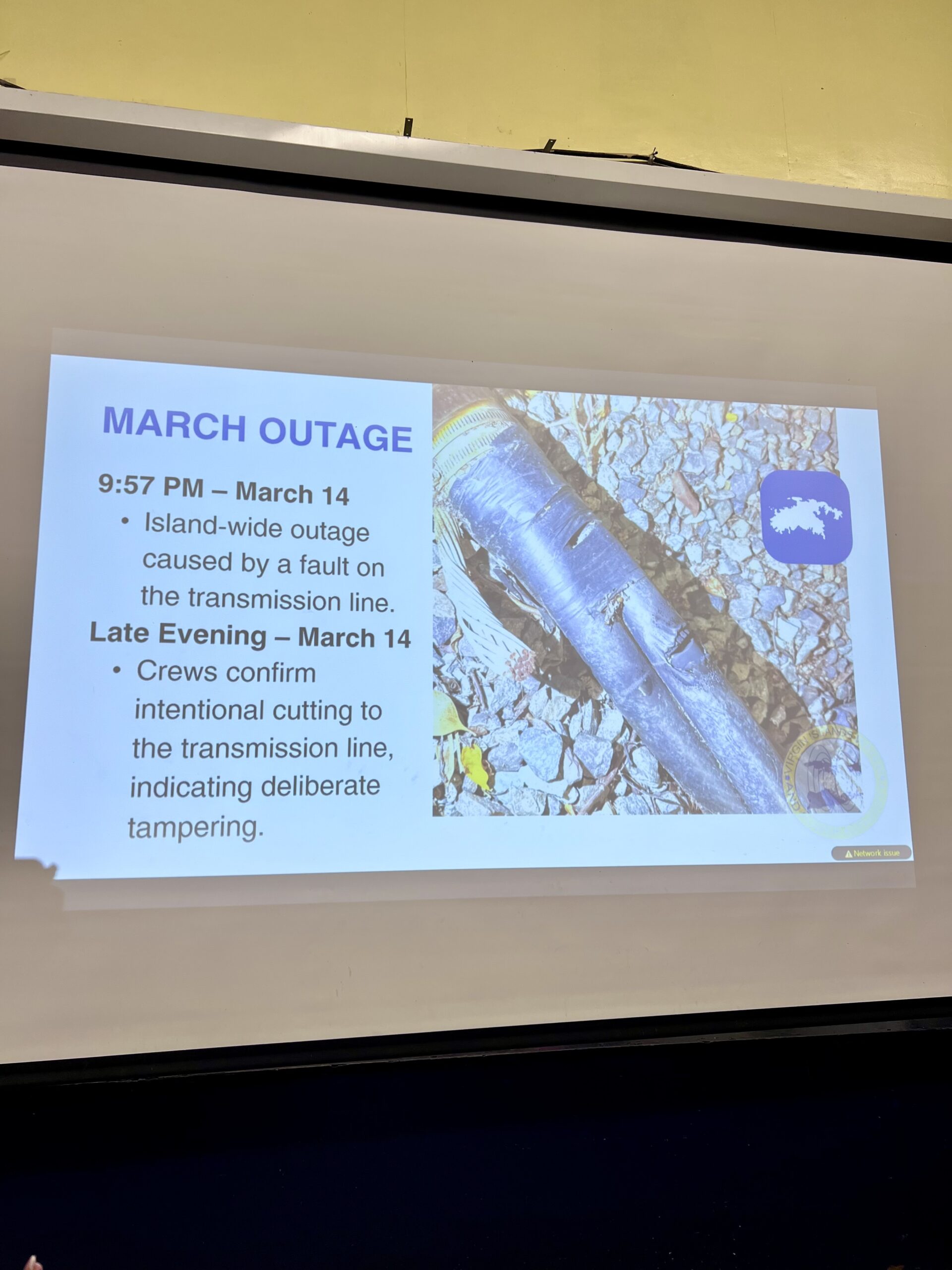
A slideshows the damaged cable, which led to the onset of the power outage that began at 9:57 p.m. on March 14. (Photo of a slide presented by WAPA at a town-hall meeting in Cruz Bay, March 24, 2026)

โ€œThe protection on the line tripped before someone was electrocuted,” Knight said, adding that an arc of light might have been visible at the time of the incident, that police had been notified, and the hospital had been warned to be on the lookout for burn victims.

โ€œHow is it that the cable was accessible to vandals? And why were there no cameras?โ€ asked an audience member.

โ€œI canโ€™t answer why it wasnโ€™t secured,โ€ said Knight. โ€œThere are a lot things we try to do as a company. Nobody has ever tampered (with equipment) like this. Itโ€™s probably on the list (of things to do), but it wasnโ€™t the biggest crisis we faced.โ€

(On Wednesday, residents challenged this explanation by Knight on social media posts, asking why there was no sign of burn damage to the cable as might be expected.)

Knight continued his explanation of the repairs made by crews who conducted tests and prematurely announced Saturday morning that they had successfully connected to an abandoned transmission line, marked as AA in the photo.
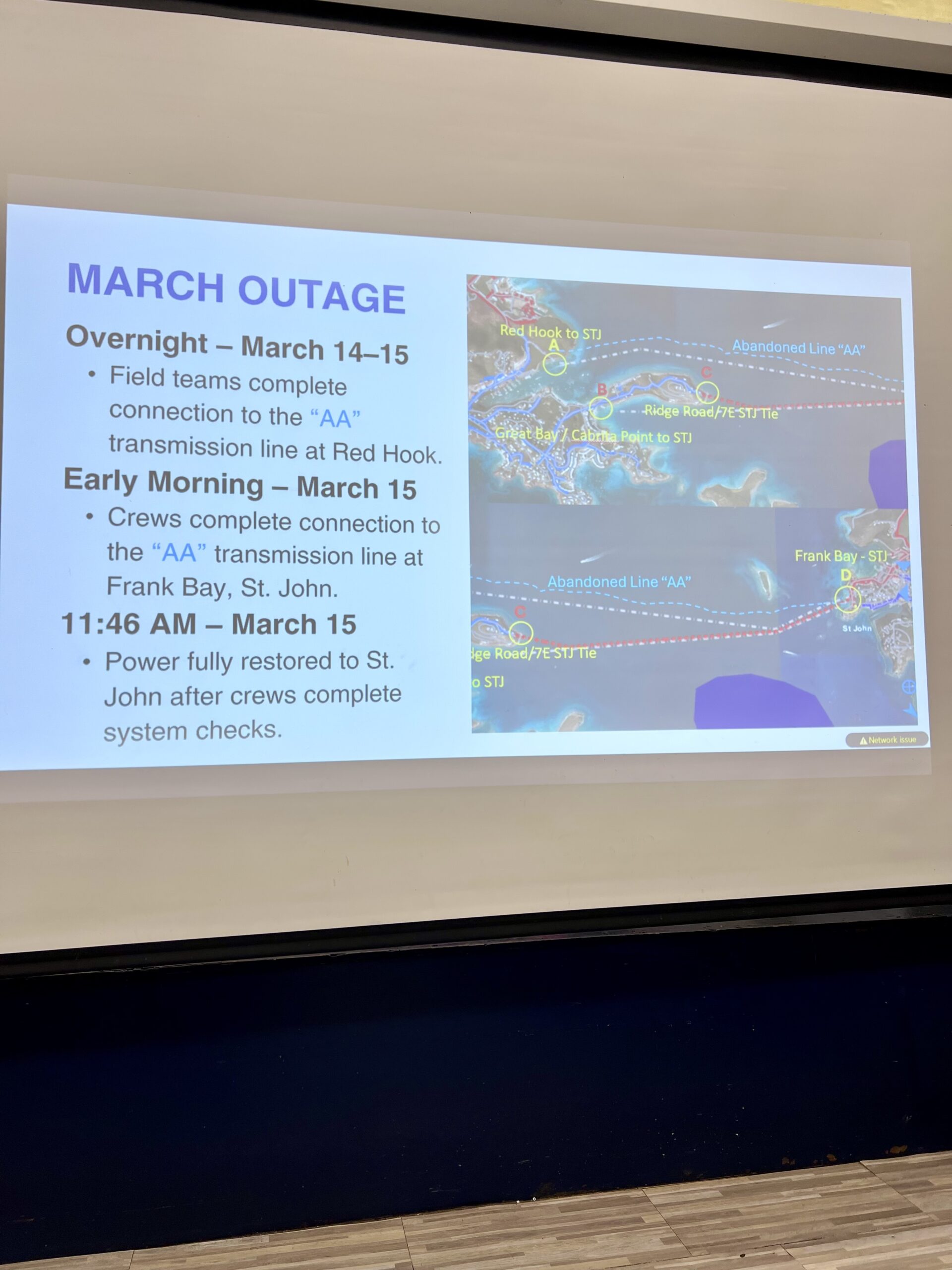
A slide presents the timeline of the St. John outage and attempted repair on March 14 โ€“ March 15. (Photo of a slide presented by WAPA at a town-hall meeting in Cruz Bay, March 24, 2026)

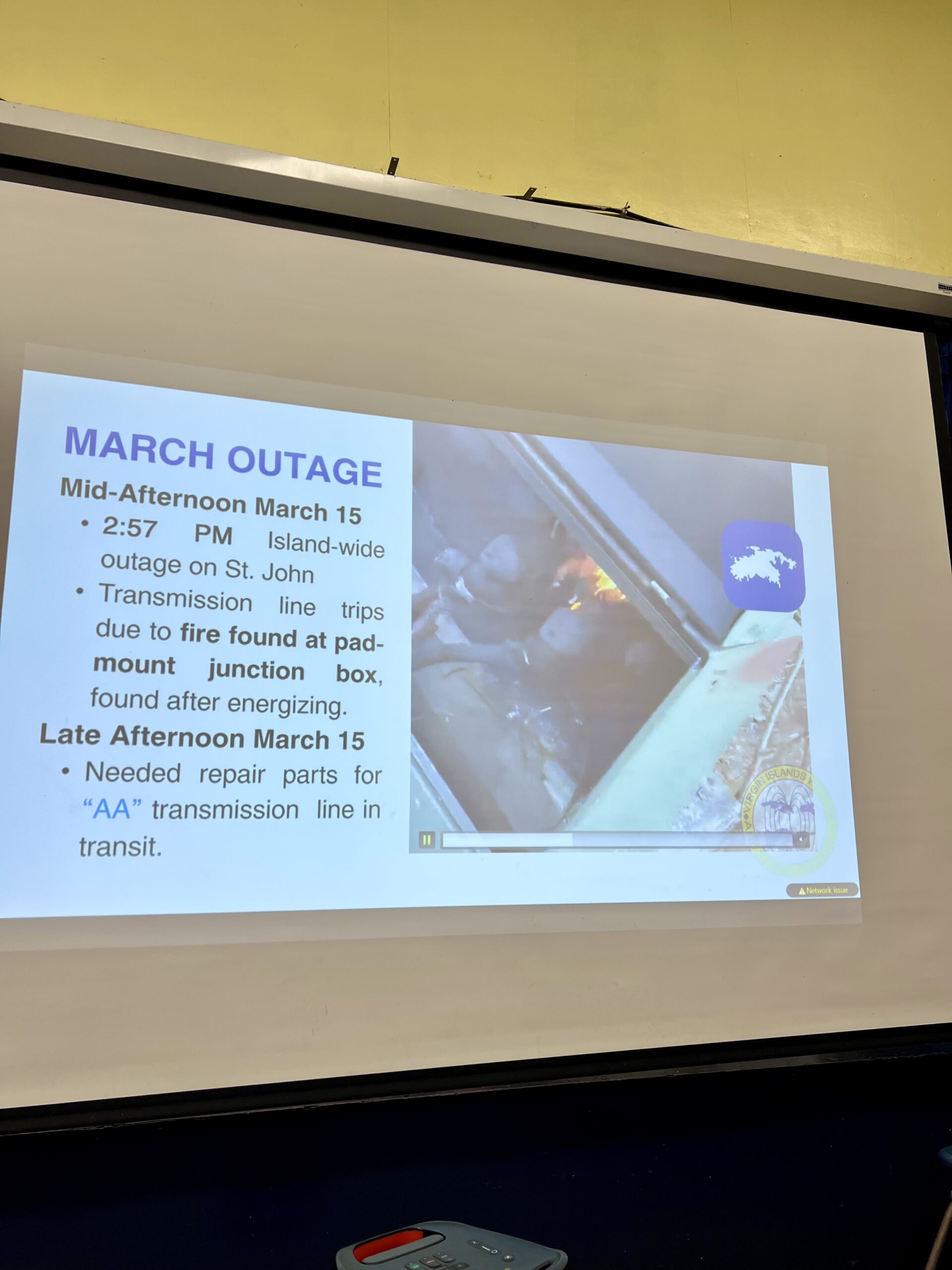
โ€œWhat we didnโ€™t know was that there was damage, which was not apparent, in the junction box, and that resulted in a fire,โ€ Knight said.

A slideshows a fire discovered on the afternoon of March 15 in a junction box. (Photo of a slide presented by WAPA at a town-hall meeting in Cruz Bay, March 24, 2026)

โ€œWhen we first were energized, we thought (the problem) was just a cut, but it created a fault, and one of the phases of our three-phase power was compromised,โ€ he said.

Knight said that crews were finally able to restore power by combining the two phases from line A and one from Line AA. โ€œThatโ€™s why weโ€™re able to be here tonight,โ€ he said.

WAPA has two other transmission lines that serve St. John from St. Thomas, but neither of them works. The Cabrita Point line was put in around 2006, but was damaged sometime around 2021, possibly by someone attempting to remove sargassum seaweed. As its purpose was to provide redundancy, it was not slated for immediate repair.
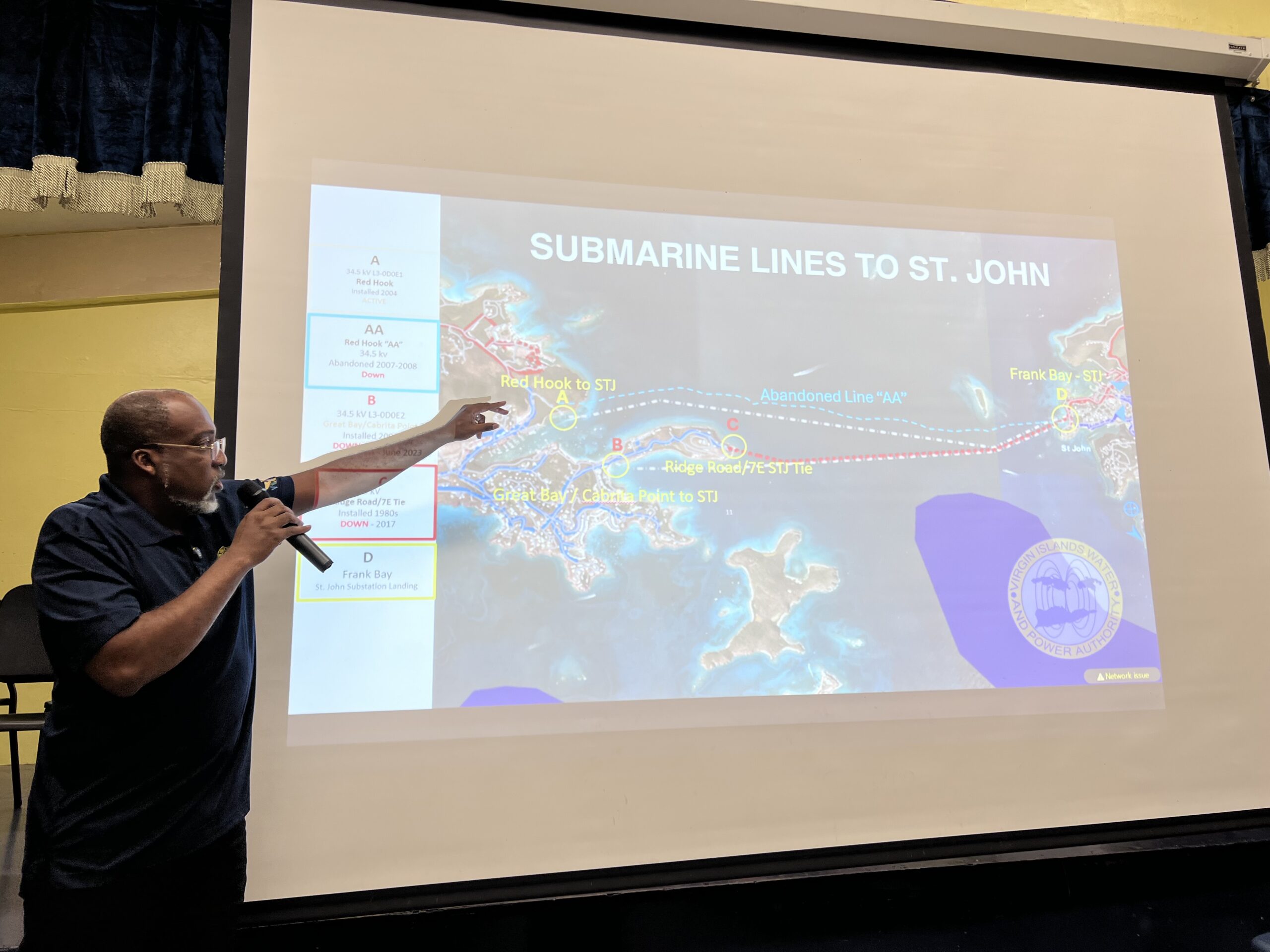
Karl Knight explains submarine transmission lines from STT to STJ. (Source photo by Amy H. Roberts)

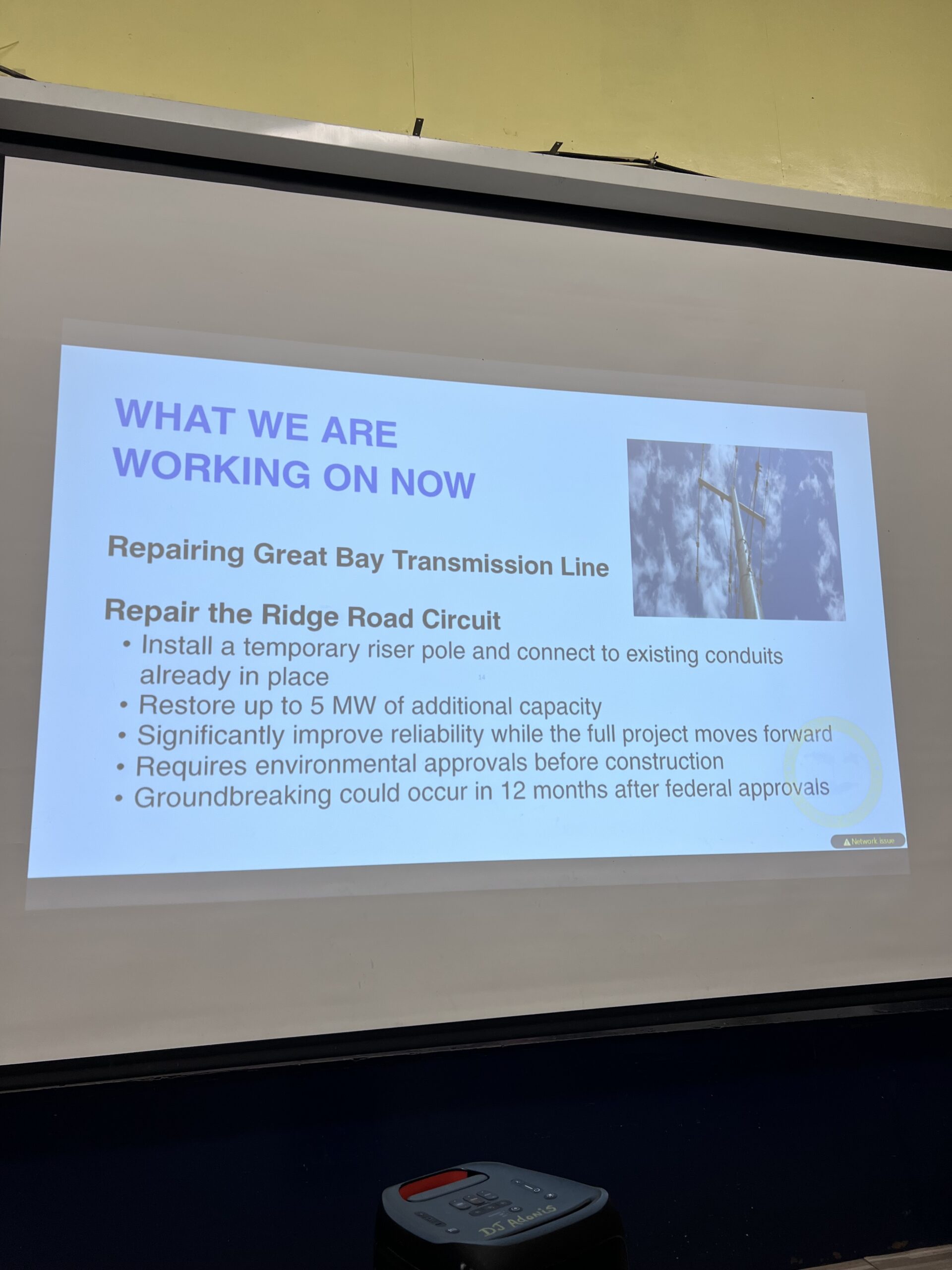
Knight said a local contractor has now been found to complete the repairs; they are identifying the scope of the work and are procuring materials from manufacturers. Following that, โ€œWe would like to get it repaired within 30 days,โ€ he said.

โ€œWhat we are working on.” A slide describes the repair work for the Great Bay Transmission Line. (Photo of a slide presented by WAPA at a town-hall meeting in Cruz Bay, March 24, 2026)

The fourth line, which supports transmission to Cruz Bay, was damaged during the hurricanes of 2017. โ€œThis is the only line that is available for federal funding, and is part of a FEMA bundle. We expect construction to begin in 2027,โ€ Knight said.

โ€œWeโ€™re restoring layers of redundancy, and we need to put in a third transmission line,โ€ Knight said, adding that WAPA is now working with VI Next Generation Network to bundle WAPAโ€™s electricity transmission with viNGNโ€™s telecommunication line. He described the agreement as โ€œpending.โ€

(Part two will discuss โ€œthe human factorโ€ and questions regarding generators and solar power on St. John.)
Education Committee Hears St. Croix School Redistricting Proposal

0
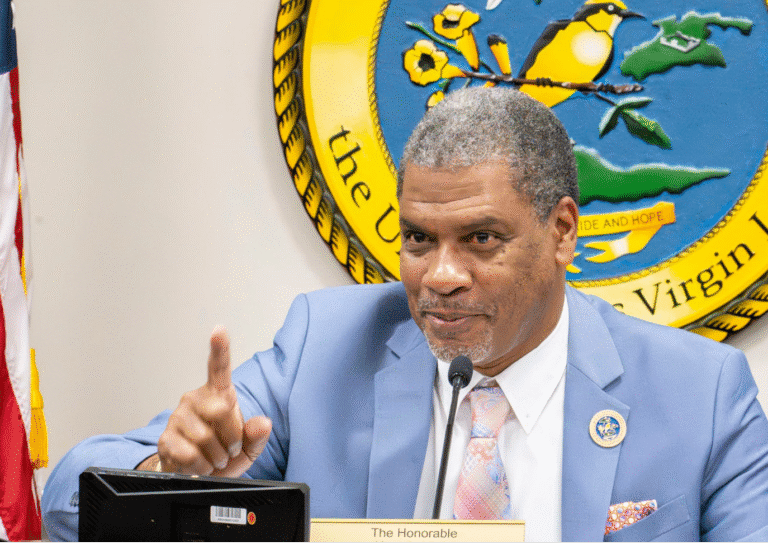
Sen. Kurt A. Vialet chairs the Senate Education and Workforce Development Committee on Wednesday. (Photo courtesy V.I. Legislature)

The Senate Education and Workforce Development Committee on Wednesday discussed a sweeping St. Croix school redistricting plan that would shift hundreds of students, open a new PreK โ€“ 8 campus and close John H. Woodson Junior High.

The committee heard testimony from the Virgin Islands Education Department on the proposal to redraw school attendance zones across St. Croix. Officials said the changes would affect hundreds of students and reshape how they are assigned to schools across the island.

Education Commissioner Dionne Wells-Hedrington told lawmakers the redistricting effort is aimed at correcting decades of imbalance between where students live and where they attend school, reducing transportation costs and addressing aging infrastructure. But the proposal also drew concerns from senators about transparency, equity and whether the territory is prepared for such a large-scale transition.

โ€œThe redrawing of the school district boundaries reflects the shifts in population and demographics and reallocation of resources. Students shall attend school based on residential boundary lines that feed into the various schools,โ€ said Wells-Hedrington.

Under the plan, which would take effect in the 2026โ€“27 school year, the new Arthur Richards PreK โ€“ 8 campus at Estate Paradise would add significant capacity for crowded western St. Croix schools, including Eulalie R. Rivera PreK โ€“ 8. The modern facility is designed for roughly 720 students across 29 classrooms, with additional โ€œflexโ€ spaces that can be converted as needed.

By shifting students from nearby neighborhoods into Arthur Richards and redrawing surrounding school boundaries, education officials say they can even out enrollment that has become lopsided over three decades of school closures and housing changes.

โ€œSimply put, students are not attending the school closest to their residential address, and busloads of students are passing each other daily,โ€ Well-Hedrington told senators, arguing that aligning campuses with residential clusters would shorten commutes and cut transportation spending.

Currently, the Education Department contracts for about 950 miles of bus routes each day for general and special education students at $16.01 per mile. Wells-Hedrington said having buses โ€œtraversing our highwaysโ€ to ferry students past their nearest schools has become one of the departmentโ€™s most expensive line items, and that redistricting is intended to reclaim some of that money for classrooms and building upkeep.

โ€œThe current system is no longer aligned with where our students live, how our schools are utilized, or what it costs to operate efficiently โ€ฆ If no action is taken, the territory will continue to face overcrowded classrooms โ€ฆ and escalating transportation costs that reduces instructional time and strain already limited resources,โ€ said Well-Hedrington.

However, the Virgin Islands Board of Education indicated it is not yet prepared to sign off on the redistricting map. Board Chair Kyza Callwood told lawmakers the board โ€œwas not involved in the creation or adaptation of the redistricting planโ€ crafted by the Education Department and sees its role as ensuring any changes do not undermine access to quality schools.

Callwood said the boardโ€™s support is contingent on the department proving the plan will be implemented fairly and transparently. He called for a comprehensive equity analysis to show which communities and student groups would be moved and making sure โ€œno group of students is disproportionately affected,โ€ and urged officials to demonstrate that all schools gaining students will have adequate teachers, support staff and facilities.

โ€œThe board requires assurance that all schools are adequately prepared for enrollment shifts,โ€ he testified, โ€œincluding proper staffing, instructional materials, technology and facility readiness to support student success.โ€

Communication with families was another major concern. Callwood pressed for a centralized redistricting support call center to serve as โ€œa primary point of contact for parents, guardians and community members,โ€ staffed with people who can answer questions about school assignments, transportation and program availability in multiple languages.

He also recommended creating a redistricting advisory committee that includes the commissionerโ€™s office, superintendents, special education, parent-teacher associations, the Board of Education, the business community and the Senate.

Lawmakers did not oppose the redistricting outright but pressed Wells-Hedrington on whether the system is prepared for such a significant change. Several questioned the 2026โ€“27 timeline, requested detailed boundary maps and transportation data, and raised concerns about impacts on special-education students, parents and students who could lose trusted teachers if reassigned.

Others focused on what the changes will feel like for families. They worried parents could learn of new school assignments only after buying uniforms and said many households will miss website notices or radio spots unless letters go home with students.

โ€œI really have some concern with this entire redistricting โ€ฆ we have to make sure that families are notified in a timely manner and they’re prepared, because if not, we’re going to have serious problems.โ€ Sen. Franklin Johnson said.

Before any lines are finalized, senators urged the Education Department to prove that receiving campuses are ready for a larger student body, including showing that classrooms are free of mold, core positions are filled, and programs such as ESL and special education can be maintained at least at current levels.

Sen. Kenneth Gittins and other senators added that decisions must be data-driven. โ€œI want to make sure that the department is making policy decisions based on confirmed migration data and not on projected assumptions tied to housing redevelopment, because this could change at any time,โ€ he said.

One of the most contentious pieces of the redistricting plan is the decision to shut down John H. Woodson as a junior high. That move was complicated by testimony from Craig Benjamin, executive director of the Bureau of School Construction and Maintenance, who told senators a recent walkโ€‘through found John H. Woodson โ€œfully operationalโ€ after more than $5 million in mold remediation and roof repairs this school year, with major systems functioning and only minor maintenance needs. Lawmakers used that contrast to question whether it makes sense to close a campus that has just received significant investment.

Wellsโ€‘Hedrington said she remains optimistic that the redistricting โ€œrepresents a necessary and strategic step toward creating a more efficient, equitable and sustainable public education system in the Virgin Islands,โ€ calling it an effort โ€œgrounded in data, informed by changing population patterns, and guided by our responsibility to provide students with access and quality to quality education within their communities.โ€

CZM Reviews Major Renovation Plans for Two St. Thomas Schools, Bowsky and EBO

0

Members of the Department of Planning and Natural Resourcesโ€™ Coastal Zone Management Committee expressed optimism Tuesday during a virtual public hearing on plans to modernize the Yvonne E. Milliner Bowsky School and rebuild the Emanuel Benjamin Oliver Elementary School on St. Thomas, as the public begins a seven-day period to submit responses to the applicantsโ€™ testimony.

โ€œWeโ€™re excited about all of our projects coming online. Itโ€™s no mystery to anyone on this call that our buildings are deteriorating every day that we speak. So the quicker we are able to retrofit our campuses where they become more conducive to the learning environment for our students is where our passion and our drive remains,โ€ said Education Commissioner Dionne Wells-Hedrington.

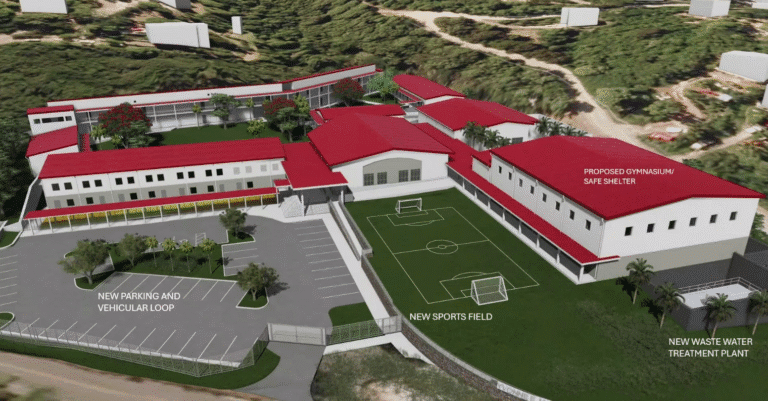
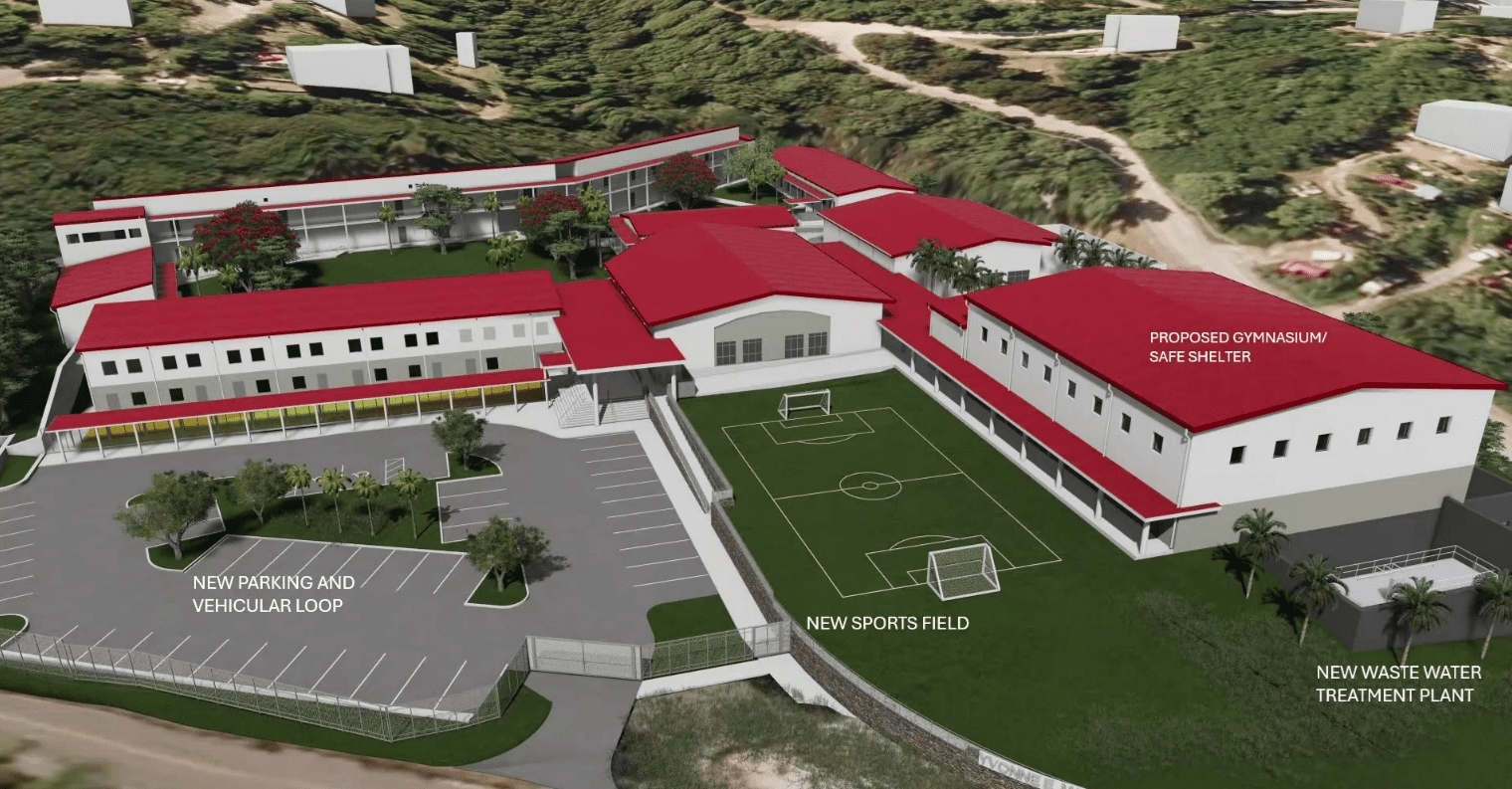
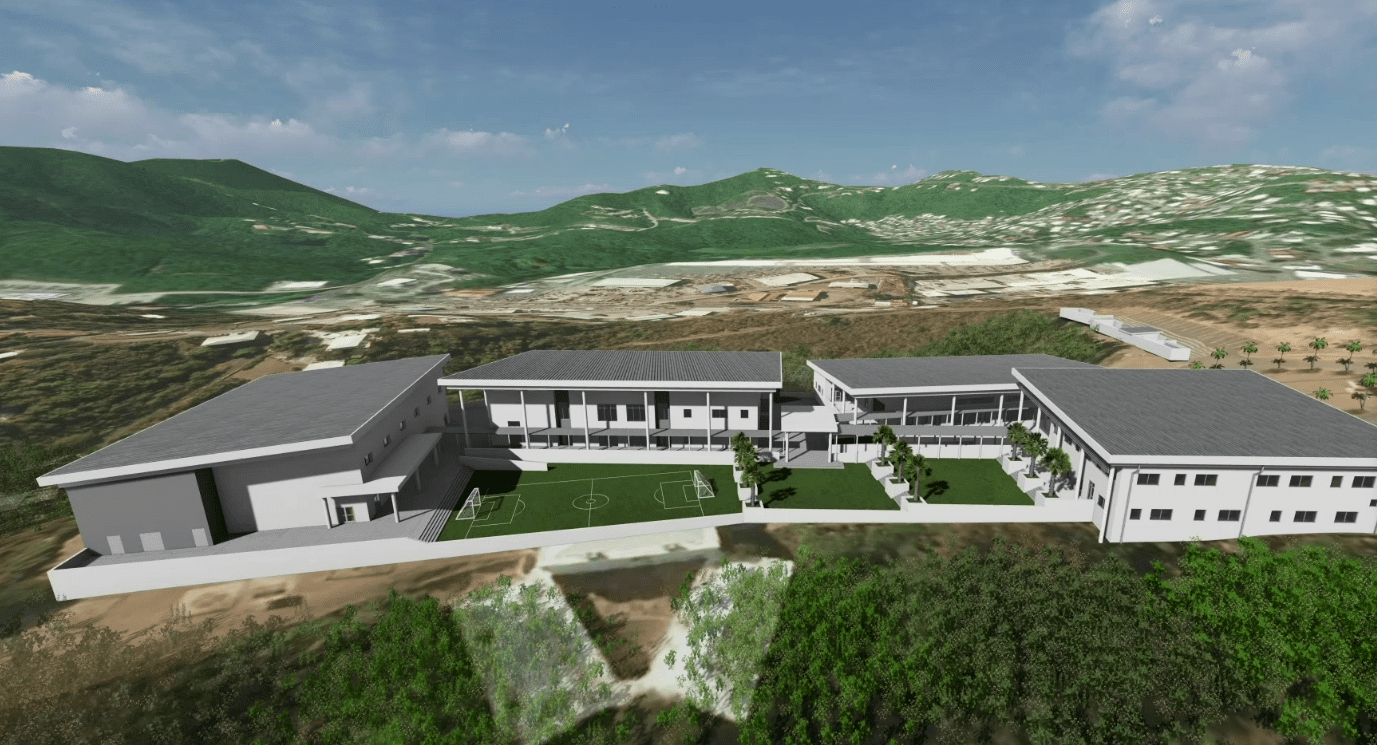
Regarding the Bowsky School, student capacity will increase from 420 to 624 students after renovations. The 10 acre propertyโ€™s project includes demolishing existing temporary modules to modernize classrooms, constructing a new gymnasium that will serve as a safe shelter, a sports field with a soccer pitch, parking expansion and reconfiguration with a perimeter vehicle loop for fire truck access, a waste water treatment plant, a potable water system, a HVAC chiller yard, and upgrading the electrical and plumbing systems. New roofs on campus will be constructed with metal and have solar panels attached for battery storage. Additionally, renovations will also manage stormwater runoff.

Virtual rendering of completed Yvonne E. Milliner Bowsky School post-reconstruction. (Microsoft Teams meeting screenshot)

Amy Dempsey, the environmental consultant for Bioimpact, said: โ€œOne of the problems they have consistently at the school is that the road that runs at the back of the school floods.โ€ She added that the plan addresses this problem.

Additionally, according to Dempsey, โ€œtwo heritage treesโ€ and โ€œa few specimen treesโ€ will be impacted by the expansion of the parking lot.

โ€œIn order to build an adequate amount of parking and everything, there was no way to work around them,โ€ said Dempsey. She added that native vegetation, however, will be replanted, and that a 90-foot well near the property can possibly be used for groundwater mitigation.

The project is expected to be completed in four phases and take 38 months.

Jawanza Hilaire questioned applicants about the parking lot construction, alluding that the upgrade might not mitigate traffic for pickup and drop-off challenges.

Chris Boyette, architect representative from Zycovich, responded, โ€œIf we can try and utilize that back road where we can do pickup and drop off for older kids, and then try to minimize the entry drop off, weโ€™re studying that.โ€

Vance Pinney, CZM committee member, questioned the applicants about the use of the nearby well. He commented that he had no facts on the matter, but that โ€œtests should be done on that well because I understand something in the past where that well was poisoned because two brothers who were trying to kill each other.โ€

Dempsey shared that though she heard about the family feud regarding the well, there are no intentions to use the well for the school, but rather for groundwater studies.

Regarding the Emanuel Benjamin Oliver Elementary School, the campus will get a complete revamp.

โ€œIt will be a pre-K to 8 school when it is completed,โ€ said Chaneel Callwood-Daniels, Education Department architect. โ€œSo we are taking the first step to demolish all the buildings that are there, and then the designs are in progress.โ€

Virtual rendering of completed Emanuel Benjamin Oliver School post reconstruction. (Microsoft Teams meeting screenshot)

The project will demolish all buildings, parking lots, and sidewalks. A new entrance drive, a north-side parking lot, and a west-side utility building will be constructed. Additionally, one two-story administration building, one two-story classroom building, a dining room building, and a gymnasium will be constructed and arranged around a central courtyard. An outdoor sports court between the gym and classroom building will be added and a playground will be added between the classroom and administration building. All buildings will be constructed with pitched roofs.

This 10-acre property project is expected to take 25 months to complete and is anticipated to start at the end of this summer. Originally designed to house up to 700 students in 1975, it will be reduced to accommodate 486 students. Education officials said that though the student footprint is decreasing, other campuses are expanding to accommodate increasing student bodies on island.

โ€œPresently thereโ€™s a [community] lot, and if my memory serves me correct, those lots have to gain access through the schoolโ€™s property,โ€ mentioned Pinney, who inquired about alternative access routes for property owners near the school.

Wells-Hedrington responded and said that the access through the school is a โ€œshortcutโ€ for the residents, but the main access is adjacent to the school.

โ€œThe community utilized a walkway in between the campus as a shortcut to their area. However when we build this school, that access to this shortcut wonโ€™t be available any more,โ€ she said. โ€œItโ€™s just a matter of defining the property, but their access will not be limited because they have the access now.โ€

โ€œWhere are all these materials that are being demoed going? Because we already have a landfill that is beyond measurable right now. And if this was built in the 70s, itโ€™s concrete, it’s steel,โ€ questioned Jawanza Hilaire, CZM board member.

Maria Luisa Villegas, representative of the contractor Suffolk-Americaribe, said they are currently in communication with the Waste Management Authority for the disposal of material.

Additionally, the Coastal Zone Management Committee held a decision meeting Tuesday night and unanimously voted to approve CZT-04-03(L), a Yacht Haven Grande modification project to renovate the propertyโ€™s existing pool deck, resurface the tennis court, construct two padel courts, three pergola seating areas, and expand the fenced area. Per approval, the committee required the applicant to allow neighboring children and adults an opportunity to learn tennis and pickleball.

CZM members Calford S. Martin, Vance E. Pinney, and Jawanza Hilaire were present.

AccuWeather Forecast Highlights 2026 Hurricane Season Risk With El Niรฑo in Focus

0

On Wednesday, AccuWeather released its 2026 Atlantic hurricane season forecast, calling for a near- to below-historical average season overall. However, forecasters warned that damaging impacts remain possible throughout the season, which officially runs from June 1 to Nov. 30.

AccuWeatherโ€™s Outlook

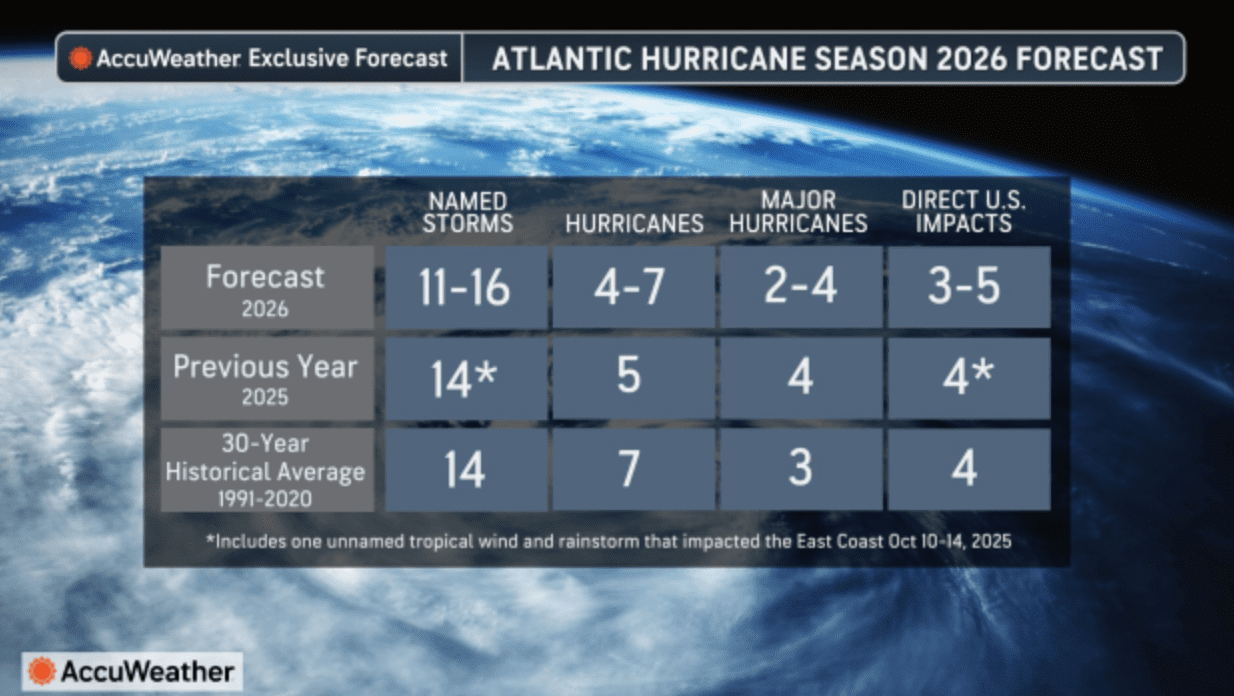
The AccuWeather tropical forecast for the Atlantic hurricane season predicts 11 to 16 named storms, including four to seven hurricanes and two to four major hurricanes of at least Category 3 intensity. AccuWeather is also forecasting three to five direct impacts in the United States this season. The National Hurricane Center notes that the historical 30-year average for the Atlantic hurricane season is 14 named storms, seven hurricanes, and three major hurricanes.

AccuWeatherโ€™s 2026 forecast calls for 11 to 16 named storms, including four to seven hurricanes. (Photo courtesy AccuWeather)

AccuWeather said that while the season could end up near or slightly below average overall, a potentially lower number of cyclones does not necessarily mean a lower risk of severe weather outcomes. The company identified the northern and northeastern Gulf Coast and the Carolinas as the U.S. areas at greatest risk for direct impacts this year.

“It’s very important that everybody from South Texas all the way to Maine prepares equally for each and every hurricane season, regardless of what the official forecast is,” said Alex DaSilva, AccuWeather lead hurricane expert, in Wednesdayโ€™s report. “Even if it’s expected to be a slightly below-average hurricane season, we can still see major hits across the United States,” DaSilva warned.

El Niรฑo Remains a Key Part of the Setup

A major reason AccuWeather expects a somewhat less active season overall is the anticipated development of an El Niรฑo weather pattern this year.

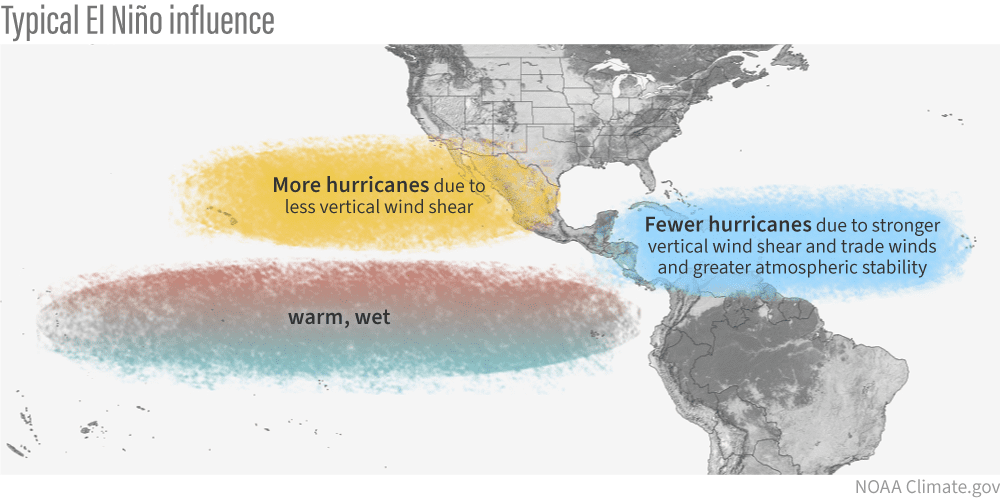
A NOAA Climate.gov graphic shows how El Niรฑo typically brings stronger wind shear over the Atlantic, often reducing hurricane activity in the Caribbean, while conditions can become more favorable for hurricanes in the eastern Pacific. (Photo courtesy NOAA)

โ€œScientists call the two opposing climate patterns of El Niรฑo and La Nina the โ€›El Niรฑo-Southern Oscillationโ€™ (ENSO) cycle. El Niรฑo and La Nina can both have global impacts on weather, wildfires, ecosystems, and economies,โ€ย according to the National Oceanic and Atmospheric Administration (NOAA). ENSO-neutral typically occurs in between phases of ร  la Niรฑa or an El Niรฑo event.

El Niรฑo, which involves a warming of the equatorial Pacific Ocean, usually helps to increase wind shear โ€” a change in wind direction and velocity with height in the atmosphere โ€” in the Atlantic Ocean, helping to rip apart storms and prevent hurricane formation and intensification. This is the opposite of ร  la Niรฑa cycle, when the ocean waters across the equatorial Pacific cool significantly. During La Nina, wind shear typically decreases in the Atlantic, and a reduction in wind shear can favor cyclone development.

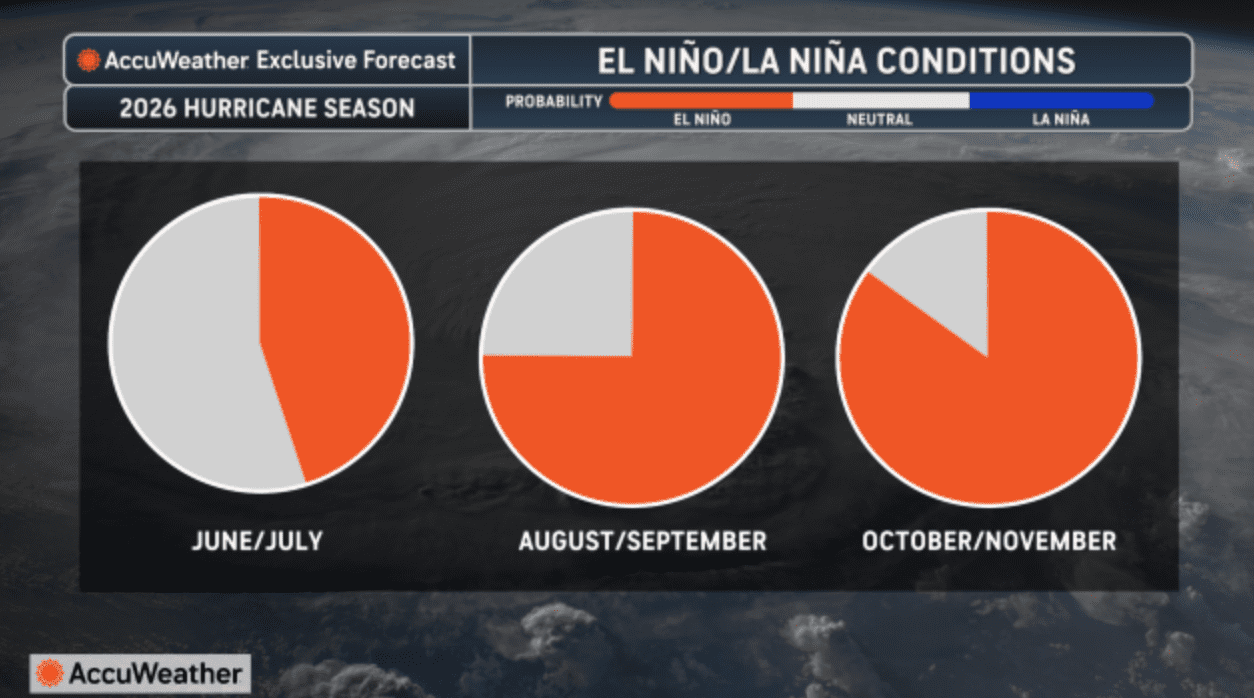
In its forecast, AccuWeather said El Niรฑo could help suppress Atlantic activity, especially during the second half of the season, and noted about a 15% chance of a very strong โ€œsuper El Niรฑoโ€ later in the year.

โ€œThere is about a 15% chance that a โ€˜super El Niรฑoโ€™ will develop if ocean temperatures near the equator of the eastern Pacific rise at least 2 degrees Celsius (3.6 degrees Fahrenheit) above long-term averages. If it does happen, it could sharply reduce storm activity in late October and November,โ€ AccuWeather explained.

โ€œThe last time there was an El Niรฑo during the Atlantic hurricane season was 2023, which was busier than normal with 20 named storms, above the historical average of 14. What made 2023 very special is it was also the warmest year on record, if we take a look at the average sea surface temperatures across the Atlantic basin,” DaSilva stated. โ€œWaters across the Atlantic are expected to be warm throughout 2026, though not as high as in 2023,โ€ AccuWeather noted.

Indeed, NOAA’s recent ENSO outlook, released on March 12, said that La Nina is expected to transition to ENSO-neutral in the near term, with El Niรฑo likely to emerge in June-August 2026 and persist through at least the end of the year.

Additional Factors Influencing Tropical Development

Even with El Niรฑo expected to work against storm development, AccuWeather meteorologists reported that ocean water temperatures across the Atlantic basin are still expected to remain unusually warm, which could help cyclones rapidly intensify.

AccuWeather expects El Niรฑo conditions to become more likely as the 2026 hurricane season progresses. (Photo courtesy AccuWeather)

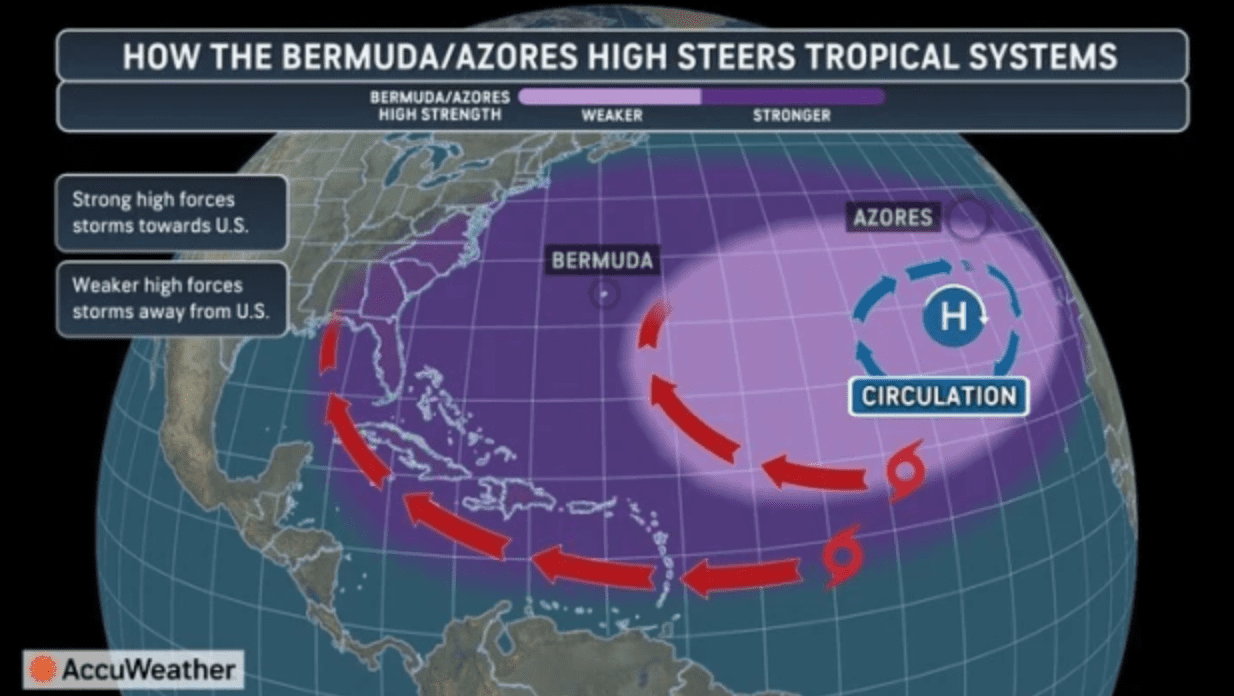
Additionally, AccuWeather forecasters noted that the location of the Bermuda-Azores High Pressure over the Atlantic, as well as the amount of Saharan dust that travels across the Main Development Region between West Africa and the Caribbean, will contribute to the development potential of tropical cyclones.

The Bermuda-Azores High can play a major role in steering tropical systems across the Atlantic basin. (Photo courtesy AccuWeather)

The Source contacted DaSilva to learn more about possible impacts across the northeastern Caribbean, including Puerto Rico and the U.S. Virgin Islands. DaSilva said he is concerned about an above-average risk of impacts in the northeastern Caribbean this season.

โ€œI believe that the Bermuda-Azores High is going to be in a very similar spot to what we saw in 2025, located farther to the east in the Atlantic,โ€ DaSilva said. โ€œSome of the storm tracks could be very similar to what we saw last year, where we saw recurves away from the islands. However, I am concerned about the northeastern Caribbean, including Puerto Rico, the Virgin Islands, and the northern portion of the Lesser Antilles, where there may be an above-average risk of impacts this season,โ€ he cautioned.

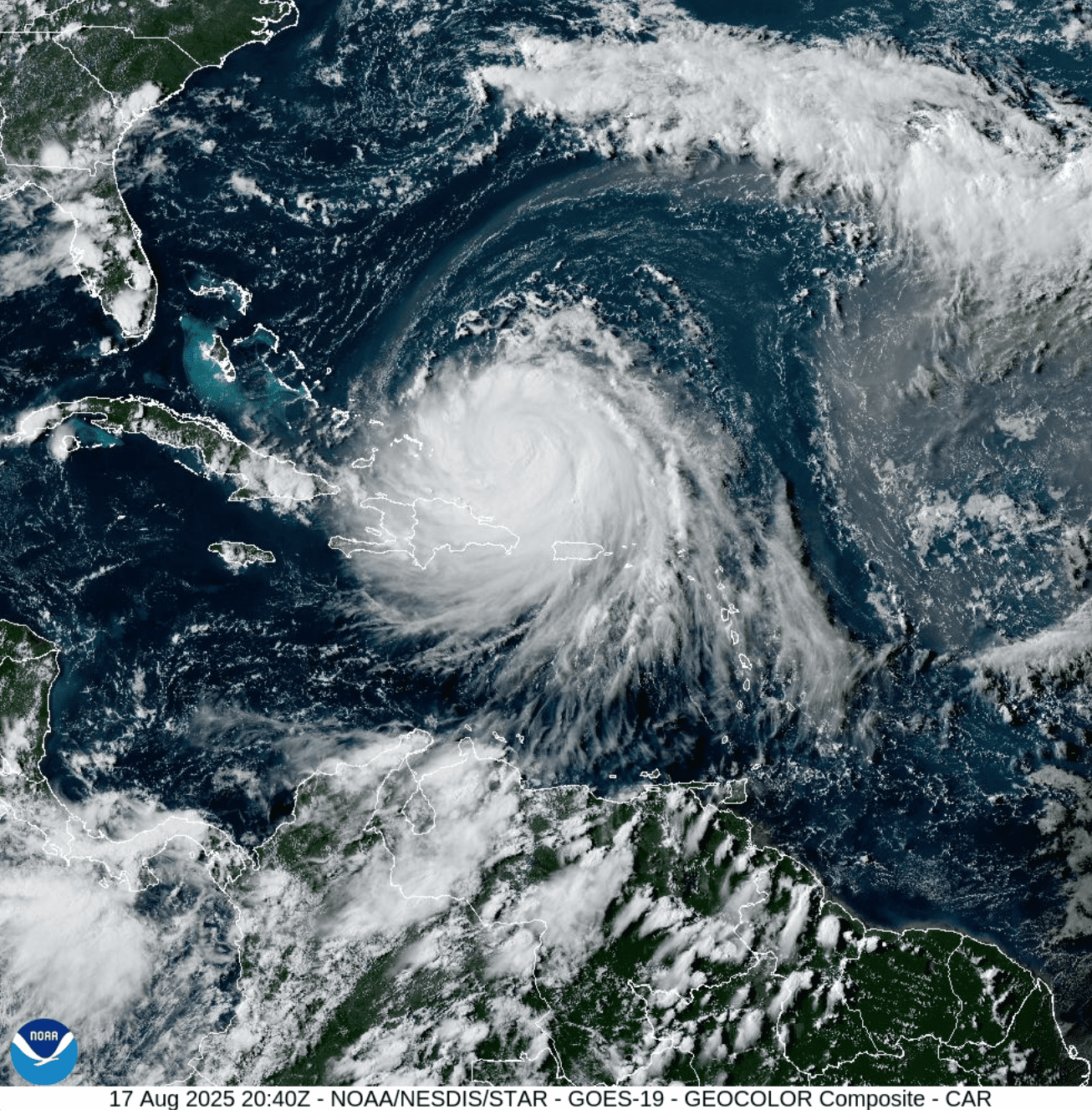
Hurricane Erin, a powerful Category 5 storm that passed just north of the U.S. Virgin Islands last August, is one example of the kind of close call DaSilva is focused on this season.

Hurricane Erin rapidly intensified in August 2025 and passed just to the north of the USVI and Puerto Rico. (Photo courtesy NOAA)

โ€œLast year, you saw a couple of very close calls in the northeastern Caribbean,โ€ DaSilva said. โ€œMost of the major storms passed to your north, but it was close, and it wouldn’t have taken much to have those storms a little bit farther to the south. Relative to the historical average, I would say the northeastern Caribbean has an above-average risk of impacts this upcoming season. Once you get farther south, towards Barbados and the southern portion of the Lesser Antilles, the risk is much lower, because of the general steering pattern.”

โ€œWe’ll have to keep an eye on El Niรฑo. The stronger it gets, the more wind shear there’s likely to be in the Atlantic, which would be good news for the northeastern Caribbean,โ€ DaSilva added.

Ocean Water Temperature and Rapid Intensification

DaSilva also shared concerns about warm ocean temperatures that could help hurricanes undergo rapid intensification.

โ€œNear the northeastern Caribbean, the waters are going to be very warm,โ€ DaSilva confirmed. โ€œSimilar to what we saw last year with a couple of Category 5 hurricanes just north of the islands, the risk is going to be there again for some hurricanes that could pass very close. We’re going to have to monitor that extremely closely. I am very concerned about rapid intensification once again this year,โ€ he warned.

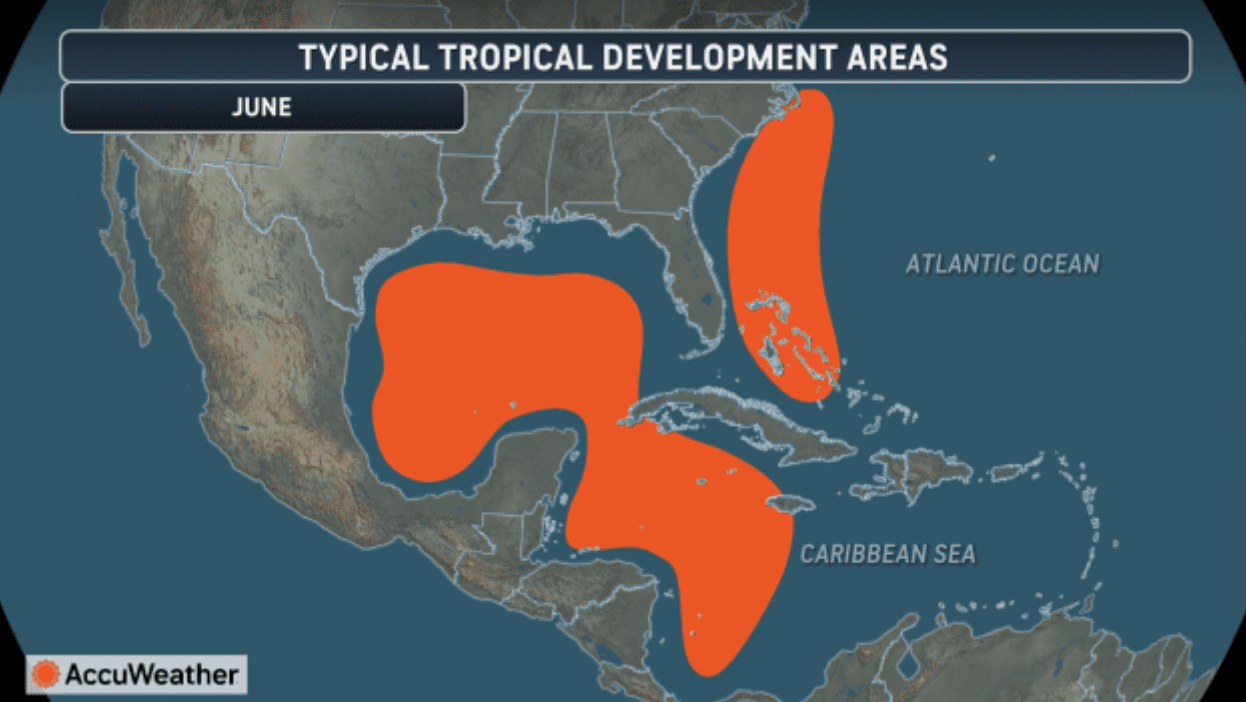
Typical tropical development areas in June include parts of the Gulf, Western Caribbean, and Western Atlantic. (Photo courtesy AccuWeather)

AccuWeatherโ€™s hurricane season outlook said that because of the warm ocean water temperatures, there is even a chance that tropical systems could organize even before hurricane season begins. However, DaSilva said that if any early development occurs, it would most likely โ€œbe confined to the Western Caribbean, the Gulf, and off the southeast coast of the United States,โ€ rather than near the U.S. Virgin Islands.

โ€œForecasters are also keeping a close eye on the weeks before and just after the official start of the Atlantic hurricane season on June 1,โ€ the AccuWeather report said. โ€œWith warm waters firmly in place in the areas where storms typically develop early in the season, it may not take much to have tropical activity fire up around the same time that the season officially gets underway,โ€ the report continued.

Be Prepared

For the U.S. Virgin Islands and Puerto Rico, seasonal forecasts help describe the broader setup heading into hurricane season, but they do not predict whether any one island will be affected. It only takes one storm near the region to bring serious impacts. That may be especially true in a season like this one, when the final storm count could end up near or slightly below average, but the environment may still support dangerous storms.

Additional seasonal outlooks are expected in the coming weeks and months, and forecasters will continue monitoring El Niรฑo development, ocean temperatures, and steering patterns as the season approaches.

Finally, NOAA also announced a forecasting change for 2026. The NHCโ€™s updated cone graphics will now include inland tropical storm and hurricane watches and warnings, including for Puerto Rico and the U.S. Virgin Islands, and an experimental cone graphic is also planned. Details can be found in a recent news article on NOAAโ€™s official website.

Local Weather Information

The Atlantic hurricane season runs from June 1 through Nov. 30, but severe weather preparedness is a year-round practice in the Virgin Islands. Residents can follow NOAAโ€™s Climate Prediction Center for ENSO updates, and the local weather forecast for the U.S. Virgin Islands is regularly updated on theย Source Weather Page. Individuals can also find helpful weather information, emergency preparedness, and alerts from the Virgin Islands Territorial Emergency Management Agency.

Rooted in Rhythm Launches ‘From Congo Square to the Caribbean’ Cultural Exchange in New Orleans

0

A new cultural initiative seeks to formally connect the artistic and historical threads between New Orleans, the U.S. Virgin Islands, and Jamaica. Rooted in Rhythm, founded by Nikki Fernandes and Raquel Haupt, launches its debut project, โ€œFrom Congo Square to the Caribbean,โ€ with a weeklong cultural exchange from Thursday to Tuesday, culminating in a public launch event on Friday.

A performer dressed in cultural costume dances through the streets of New Orleans during a festival. (Photo courtesy Nikki Fernandes)

The initiative establishes a structured framework for artistic collaboration rooted in shared diasporic history, with a goal of developing sustainable creative economies across the three regions.

Rooted in Rhythm was founded on a combination of personal heritage and professional expertise. Fernandes, a native of St. Thomas, and Haupt, who is of Jamaican descent, both relocated to New Orleans in their early twenties. Their collaboration draws on backgrounds in public health, community development, psychology, and artist development.

According to Fernandes, the organization emerged from a shared observation of cultural continuity between New Orleans and the Caribbean, paired with a commitment to invest in creative economies. The founders aim to formalize and support connections between artists across the three regions through residencies, cultural immersion, and professional development.

The projectโ€™s title, โ€œFrom Congo Square to the Caribbean,โ€ directly references the historic site in New Orleans that serves as a foundational anchor for the exchange. Congo Square holds significance as a location where enslaved Africans gathered on Sundays to preserve music, dance, spirituality, and community traditions. Fernandes notes that the area was previously considered sacred ground by the Indigenous peoples of Bulbancha, a Choctaw term meaning โ€œland of many tongues,โ€ before the arrival of enslaved Africans. โ€œWhen you walk into Congo Square you can feel the history there even before you read the plaques. This was a place where our ancestors made sure to keep their culture alive,โ€ Fernandes said.

The Sunday gathering tradition established in Congo Square is framed by the founders as parallel to similar cultural practices observed in the Caribbean. Fernandes also situated the connection within the broader context of the trans-Atlantic Slave Trade. โ€œWe all come from the same place and were dropped off at different places,โ€ Fernandes said.

The Thursday-through-Tuesday exchange is designed as an immersive experience for visiting delegations from the U.S. Virgin Islands and Jamaica. Rather than a traditional performance exchange, the programming emphasizes cultural immersion and relationship-building. Some of the planned activities include attending the Congo Square Rhythms Festival, participating in the Black Masking Indians Downtown Super Sunday, and meetings with New Orleans cultural organizations. According to Fernandes, the goal is to provide delegations with exposure to Black diasporic culture in New Orleans as a foundation for future collaboration.

The March launch marks the public debut of Rooted in Rhythm, but the organization has outlined a multiyear trajectory. During the summer, Rooted in Rhythm will replicate the cultural exchange model on St. Thomas and Jamaica to build support and partnerships in those anchor regions with additional plans for a residency program for artists in 2027. The organization is currently focused on relationship-building, funding, and increasing global visibility. โ€œWe truly believe that investing in creative economies is the most important thing that we can do at this time in history,” Fernandes said.

For more information about Rooted in Rhythm, visit www.rootedinrhythm.co.

Leap-Frog Relay Delivers Excitement on Challenging 8-Mile Course

0

Sundayโ€™s Island Hoppers relay brought a burst of energy and friendly competition as seven teams gathered at the former Cafรฉ Kaleidoscope for the islandโ€™s unique leap-frog race format. Competitors tackled an eight-mile, partially off-road course, alternating between running and cycling in a bike-run-bike-run (or run-bike-run-bike) sequence while sharing a single bicycle.

The race, first introduced in 2009 on the same course, has long been a favorite for its strategy and teamwork. While the Virgin Islands Triathlon Federation briefly hosted a Frederiksted edition in 2010, 2011, and 2013, concerns over road conditions along Mahogany Road prevented its return there.

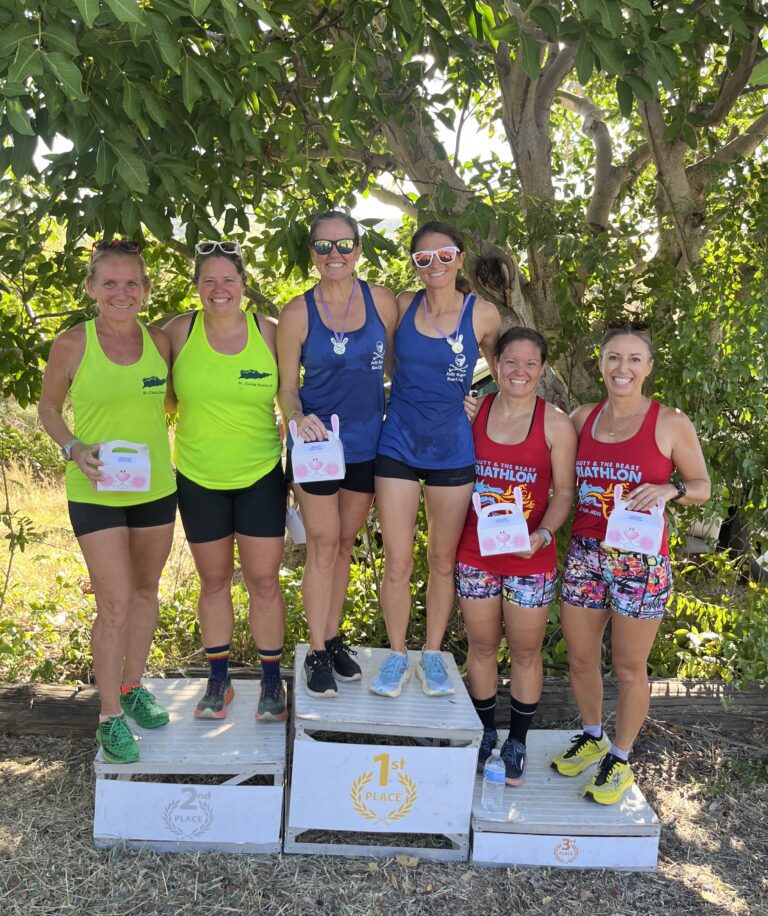
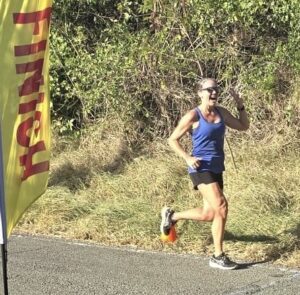
Julie Sommer, earning a first place finish for her team. (Submitted photo)

From the start, familiar faces quickly set the pace. Robin Seila was the first cyclist to reach the opening transition in Tide Village, holding a narrow lead of about 20 seconds over Julie Sommer. GHCDS student KoleBert Daisley followed closely behind. On the run, Sommerโ€™s teammate Bridget Klein surged ahead, arriving approximately 30 seconds before Croix Benton-Higgins, Daisleyโ€™s partner. Chris Ray rounded out the early leaders in third position.

The courseโ€™s defining climb up Spring Gut Road tested all competitors. Klein powered to the top first on the bike, with Ray nearly a minute back and Esther Ellis, Seilaโ€™s teammate, close behind. Sommer, first to summit on foot, quickly mounted the bike and accelerated downhill. A strong run from Ishmael Mills propelled his team into second place, while Seila remained in close contention as the third runner to transition onto the bike.

Mechanical issues added drama during the third leg, as both Seila and Paul Adjodha suffered early flat tires on the descent, forcing them to walk their bikes until assistance arrived. Meanwhile, Sommer maintained her advantage into the third transition at Castle Nugent. Alejandro Ashe, Rayโ€™s teammate, arrived more than two minutes later, followed by Daisley. On the run into T3, Klein again led the field, with Ray and Benton-Higgins in pursuit.

In a race where balance between teammates is key, Sommer and Klein demonstrated near-perfect synchronization, finishing within moments of each other to secure the overall victory. The teamโ€™s final time was recorded when the second runner crossed the line, as per race rules.

Alejandro Ashe and Chris Ray claimed second overall honors, while Croix Benton-Higgins and KoleBert Daisley finished third.

Division winners included:

  • All-Women Relay: 1st โ€“ Julie Sommer/Bridget Klein; 2nd โ€“ Catherine Seguin/Kat Brownsdon; 3rd โ€“ Robin Seila/Esther Ellis
  • All-Male Relay: 1st โ€“ Chris Ray/Alejandro Ashe; 2nd โ€“ Croix Benton-Higgins/KoleBert Daisley; 3rd โ€“ Paul Adjodha/Ishmael Mills
  • Mixed Relay: 1st โ€“ Malika Maynard/Nick Felicien

The next event on the VITF calendar is the Spring Fling Junior Triathlon at Cramers Park on Sunday, April 12. For more information, please contact 340-513-2707.

Op-Ed: Africans Kept Spiritual Traditions Alive Despite Slavery

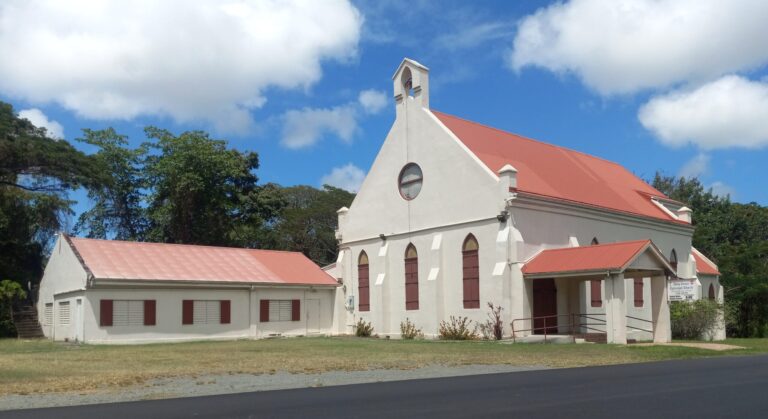
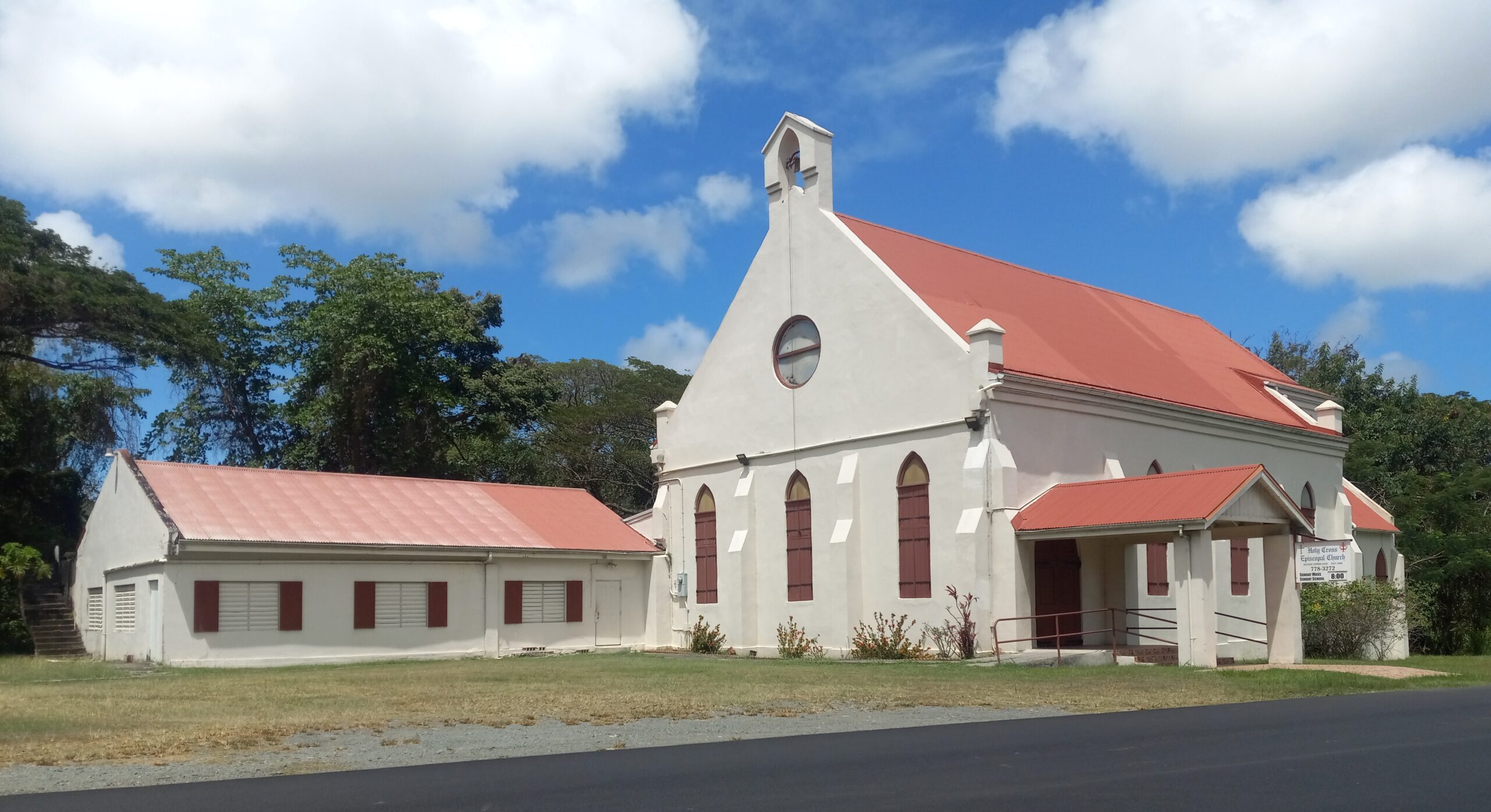
This historic Holy Cross Anglican Church built in 1908( located on Midland Road near center of St. Croix). The site represents the effort of the Anglican community to extend it ministry to agricultural workers in the heavily populated central fertile plains of St. Croix near Bethlehem Village, the site of the principal sugar factory.
This historic Holy Cross Anglican Church, was built in 1908 and located on Midland Road near the center of St. Croix. The site represents the effort of the Anglican community to extend its ministry to agricultural workers in the heavily populated central fertile plains of St. Croix near Bethlehem Village, the site of the principal sugar factory. (Photo by Olasee Davis)

Not too long ago, Dr. Bastian Felter Vaucanson, an assistant professor in church history from Denmark, contacted me. In his email message to me he said, โ€œI am a Danish church historian currently visiting the VI with my family in relation to my research project WORKSPACE, which explores the relationship between religion and labour in the 18th and 19th centuries from a spatial perspective. As part of my stay, I am recording sound for a podcast about the spiritual heritage of the islands aimed at a Danish audience. I was also hoping that I might interview you for this project.”

Olasee Davis
Olasee Davis, Ph.D. (Submitted photo)

We are still in March, which is Virgin Islands History Month. In my head, I tried to formulate thoughts of how I would write this article on Virgin Islands colonial church history. I could write several articles on the history of churches of the former Danish West Indies to modern church history. Believe me, the church is a heavy topic to discuss, with theological deep roots and history in the slave plantation system of the former Danish West Indies. Please donโ€™t get me wrong! The church is not an evil institution of itself. It is man. I grew up attending church in these islands.

Also, there is a saying when I was growing up as a child that religion and politics don’t mix. The United States Constitution establishes a secular government system with no official religion. The First Amendment established a clause that says, โ€œCongress shall make no law respecting an establishment of religion.โ€ This clause protects our right to practice our faith.

In the slavery plantation system of the Danish West Indies, there was no such system as religion and politics separate. A slave was property owned by his master. That enslaved laborers had no choice about what church they could attend, or not attend, or even practice their own faith. In the 17th, 18th, and 19th centuries, colonial churches were established in the Danish West Indies. The Lutheran Church was the state church of Denmark.

However, the Danish system of slavery in the colonies of the West Indies allowed different nationalities such as Dutch, French, and English in whatever denomination (churches) they chose to worship. The colonial churches of the Danish West Indies were a major part of the economic benefit of the enslaved laborers. The Moravian Church particularly made huge profits derived from sugar production themselves for years by becoming slave owners and planters.

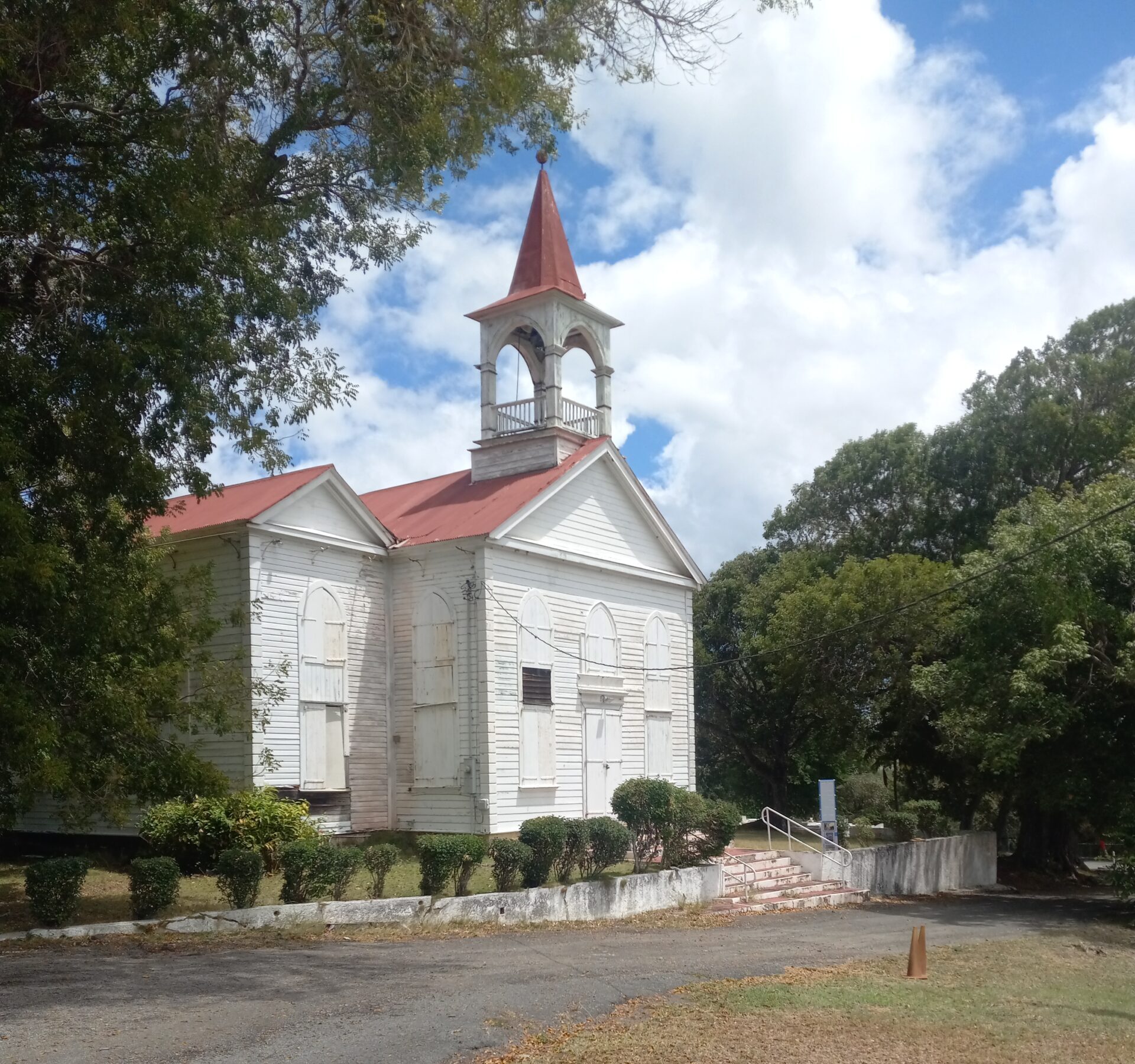
Midlands Moravian Church and Manse in Friedensfeld( which means "Field of Peace in German) was the last of the three main Moravian Churches on St. Croix. It was dedicated in 1852; this lovely wood church retains its original exterior and structure built in 1801. In 2026, the church made 225-year-old. Enslaved and "free slaves" attended this church. There are few slaves' graves buried on the site of this Moravian Church. Photo by Olasee Davis
Midlands Moravian Church and Manse in Friedensfeld, which means “Field of Peace” in German, was the last of the three main Moravian Churches on St. Croix. It was dedicated in 1852; this lovely wood church retains its original exterior and structure built in 1801. In 2026, the church turns 225. Enslaved and “free slaves” attended this church. There are a few slaves’ graves buried on the site of this Moravian Church. (Photo by Olasee Davis)

The Moravian Brethren supported the status quo by their teaching that the enslaved population should accept the conditions in which they were placed by God. They often used quotations from the Bible to explain and justify slavery. Such favorites were 1 Peter 2:18-20 as they took the scriptures out of context and misinterpreted the Bible to justify their evil ways of treating other humans as nothing.

In 1848, Communist Karl Marx in his writing alluded to religion as false consciousness. In other words, religion could be used as a tool by the ruling class to keep the working class in subjection. โ€œReligion is the sign of the oppressed creature, the sentiment of a heartless world, and the soul of soulless conditions. It is the opium of the people,โ€ he wrote. His philosophy was borne out in the colonial churches of the Danish West Indies.

In fact, man has misused Christendom for thousands of years to dominate the working-class people. It was for this reason in the 14th century that Martin Luther (1483-1546), a priest and theology professor, ignited the Protestant Reformation in 1517 by challenging the Catholic Churchโ€™s doctrines, specifically the sale of indulgences.

This also known as the “Dark Agesโ€ in human history where millions of Christians were persecuted by the church for their faith. Denmark names their state church Lutheran after Martin Luther, the great Christian reformer of Christendom. Dr. Martin Luther King Jr., whose birthday we celebrated recently, was named Michael at birth but his father changed his name to Martin Luther. Nevertheless, slaves in the Danish West Indies were totally at the mercy of their masters.

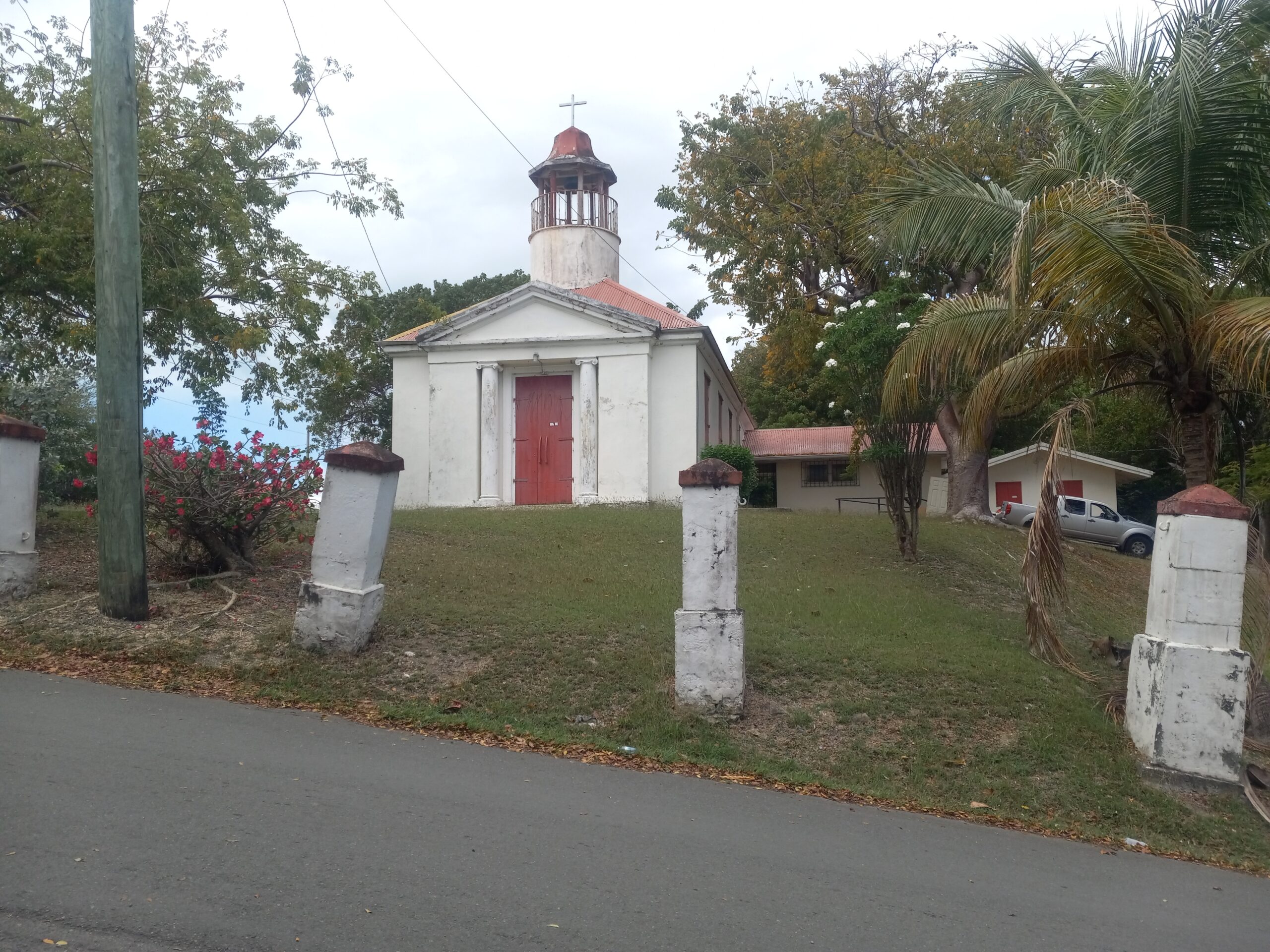
The Kingshill Lutheran Church was built in 1912 near the end of the era of the Danish West Indies. The church was built to serve the residents and soldiers of the nearby Kingshill station. (Photo by Olasee Davis)

Dr. Vaucanson asked me in his podcast about slavesโ€™ spirituality in the church. Before I answer that question, I will say that contrary to the myth with the kidnapping of Africans from Africa who were enslaved in the Danish West Indies, brought with them a long-standing history of religious beliefs and practices. Moravian missionary Christian Oldendorp gave us some insight when he visited the Danish colonies in the mid-1700s.

โ€œAll Negro nations believe in the existence of an almighty and benevolent deity. He is the creator of the world and mankind. He has power over everything,โ€ Oldendorp wrote. He mentioned how Africans practiced Judaism. โ€œThere are black Jews in Loango, who observe the Sabbath so strictly that they do not utter one word on that dayโ€ฆ” wrote Oldendorp. He also mentioned that the Sokko tribe in the Danish West Indies identified themselves as followers of Mohammedan.

Nevertheless, with the colonial churches of the Danish islands in the West Indies, the enslaved Africans created a spiritual atmosphere of worship service in the churches, especially when through dancing, singing, making music of drums and other instruments, shouting, and just praising the Almighty. The Bamboula dancing and music of drums was once part of church service worship. Over the years, some colonial churches in the Danish islands have become a kallaloo. In other words, a mix of African traditions and spirituality in church services.

According to some historians, Christianity started around the eastern Mediterranean region and the Red Sea, moving into Northern Africa and the Arabian Peninsula by the first century before it spread into Europe. During this period in human history, you could travel from Africa on foot to the Mediterranean region. It was one land mass. Thus, Christianity was not brought to Africa by European colonization. African Christianity thrived for centuries before the continent was colonized. Therefore, it was not surprising when some Africans tribes in the West Indies as slaves practiced their belief by serving one God.

โ€œYou must remain faithful to your masters and mistresses, your overseers and your bombas, and you must perform your work with as much love and diligence as if you were working for yourself,โ€ wrote a Moravian Brethren. This was not the Christian faith of Africans before they became enslaved in the Danish islands. The enslaved laborers survived slavery in the Danish West Indies because of their strong spirituality and the connection to their faith as Africans.

Happy Virgin Islands History Month!

โ€”ย Olasee Davis is a bush professor who lectures and writes about the culture, history, ecology and environment of the Virgin Islands when he is not leading hiking tours of the wild places and spaces of St. Croix and beyond.

Editorโ€™s Note: Opinion articles do not represent the views of the Virgin Islands Source newsroom and are the sole expressed opinion of the writer. Submissions can be made toย visource@gmail.com.

Human Services Outlines Rebuild of Medicaid, Elder Care and Aging Office

0
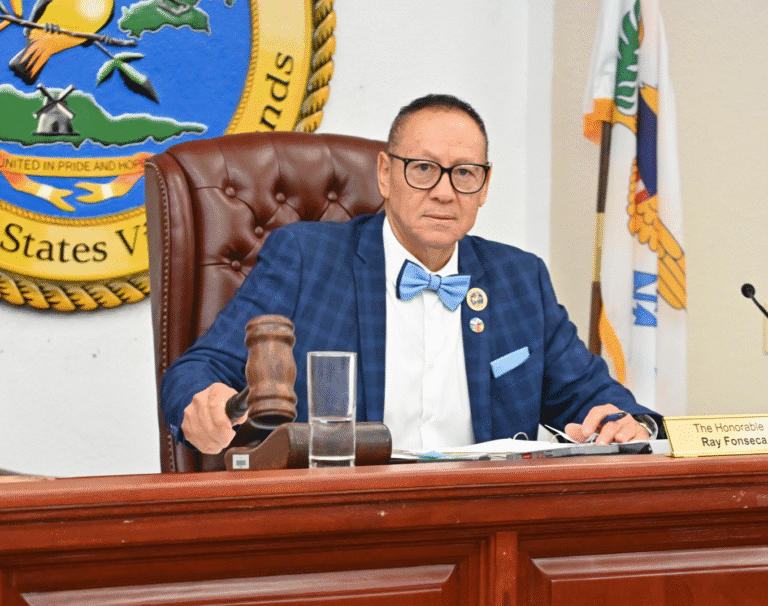
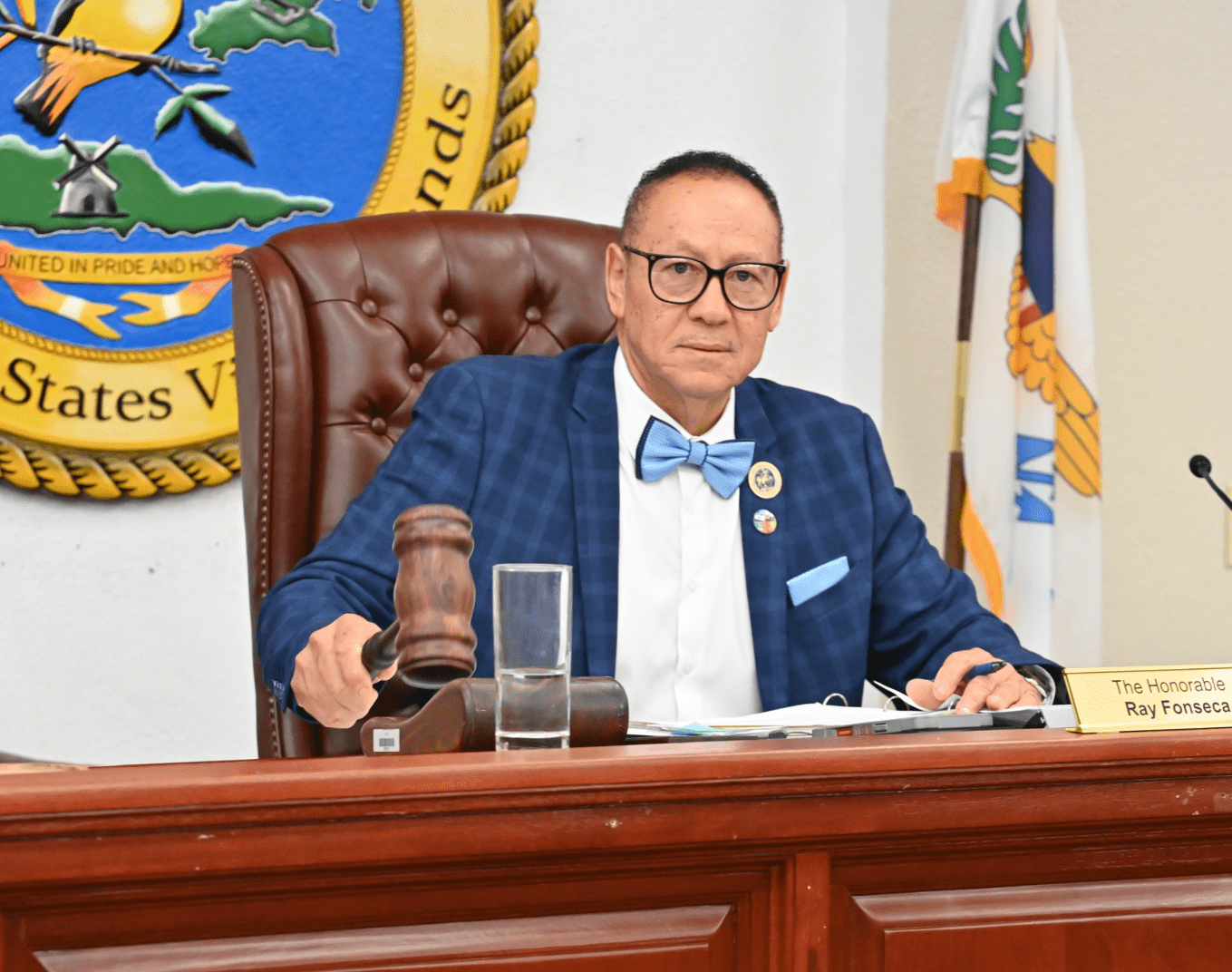
Sen. Ray Fonseca chairs the Senate Health, Hospitals and Human Services Committee Tuesday. (Photo courtesy V.I. Legislature)

At a wideโ€‘ranging oversight Senate Health, Hospitals and Human Services Committee hearing, the Virgin Islands Human Services Department detailed its agenda to modernize Medicaid, expand longโ€‘term care, rebuild early childhood centers, and replace its aging headquarters.

Senators broadly welcomed the plans but repeatedly pressed on the same problems: unused federal Medicaid dollars, slow construction timelines, and chronic staffing shortages.

Commissioner Averil George framed the stakes in her closing remarks: โ€œWe are managing inherited structural challenges, yes, but we are not managing them passively โ€ฆ We are building systems that can withstand storms, literal and fiscal, and that can serve this territory, not just this year, but for decades to come.โ€

A major focus of the hearing was the Medicaid State Plan, the core document that defines who is covered, what services are included, and how providers are paid. Over decades, changes were layered onto the plan in both paper and electronic form, leaving what George described as a confusing patchwork.

โ€œOver many years, amendments were developed in both paper based and online formats, resulting in a fragmented structure that makes it difficult to present a single, consolidated, authoritative version of the plan,โ€ George told senators, explaining why the department launched a comprehensive cleanโ€‘up effort.

DHS has now indexed 147 historical amendments, identified 62 that need to be consolidated, and flagged 18 provisions as outdated, along with 11 sections that require complete rewrites to comply with federal rules. The goal is to have a consolidated plan ready by April, with a full gap analysis continuing through most of the year.

Even as that work continues, the department is already changing how some care is paid for. A recently approved state plan amendment for interventional cardiology allows Medicaid to pay a hospitalโ€‘employed cardiologist separately from the usual daily inpatient rate, a shift meant to encourage more cardiac specialists to practice in the territory and reduce the need for costly offโ€‘island transfers.

Assistant Commissioner Taetia Phillipsโ€‘Dorsett stressed that the cardiology change is being treated as a cautious pilot, not a blank check. โ€œIf we open up the flood gates, then we will need additional dollars for the general fund portion of the claims match,โ€ she said. โ€œWe know we are in a fiscal crunch โ€ฆ we donโ€™t want to expand to cause that additional general fund burden that we know DHS cannot afford.โ€

Senators, however, kept returning to a larger question: why is the territory not using all the federal Medicaid money it already has? DHS testified that the Virgin Islands has about $142 million in annual federal Medicaid authority, but not enough local โ€œmatchโ€ funding to draw it down. Roughly $48 million went unspent in fiscal year 2025.

Lawmakers said the problem is compounded by lingering Medicaid liabilities. Many senators, including Sen. Novelle Francis, noted that carrying unpaid claims into new fiscal years strains the budget and limits the governmentโ€™s ability to provide the required match. โ€œThis really throws the budget into a tailspin,โ€ Francis said, arguing that until priorโ€‘year Medicaid expenses are addressed, they will keep weighing down each new fiscal year.

When the discussion moved beyond Medicaid financing, lawmakers and Human Services officials focused on one of the territoryโ€™s most persistent structural problems: longโ€‘term care capacity. George told senators that local hospitals are routinely caring for patients who no longer need acute treatment but cannot be discharged because there is nowhere else for them to go.

โ€œOn average, seven to ten medically stable individuals remain hospitalized at any given time because they cannot be safely discharged into our community,โ€ George said. โ€œThese are patients who should be transitioning into longโ€‘term care settings, but instead remain in acute care beds simply because the territory lacks adequate placement options.โ€

She described the situation as a โ€œdirect symptomโ€ of limited longโ€‘term care capacity, with hospitals effectively functioning as de facto nursing homes, bearing the full cost of food and daily services without CMS reimbursement.

The departmentโ€™s own physical footprint is also in transition. George reminded senators that DHS still works out of the former Knud Hansen Memorial Hospital on St. Thomas, a structure built in the 1940s and opened in 1953. โ€œIt was never designed to house the administrative backbone of a 21st-century Department of Human Services,โ€ she said, adding that โ€œour employees have shown up to work every single day and delivered services from that facilityโ€ for decades despite outdated systems and failing infrastructure.

That building is now slated for demolition. In its place, the government plans a new fourโ€‘story complex that will house both DHS and the Department of Health, including a modern community health clinic and consolidated clientโ€‘service space. Demolition is expected around midโ€‘2026, with completion of the new complex projected near the end of the decade. Until then, DHS is relocating staff to temporary offices at Tutu Park Mall and Havensight and housing Queen Louise residents at Palms Court, leases that total about $2.1 million a year but are 95 percent funded by FEMA.

Staffing shortages were a recurring thread linking almost every topic. DHS reported roughly 200 vacancies across the department, many of them unfunded or requiring local match dollars. Those gaps limit how many longโ€‘term care beds can be opened, how quickly Medicaid claims can be processed, and how many classrooms can operate in the Head Start program.

Head Start is federally funded for 794 children, but current enrollment is closer to 587 because six classrooms are closed for lack of qualified teachers and aides; on St. Thomas alone, about 110 children are on a waitlist for the coming school year, even as new centers are being rebuilt with federal disaster funds.

In her closing, George argued that these parallel efforts, rewriting the Medicaid State Plan, expanding longโ€‘term care capacity, rebuilding facilities and trying to fill critical vacancies, are all part of the same project. โ€œAt the end of the day, the question is simple,โ€ she told lawmakers. โ€œAre we leaving a system stronger than we found it? That is the standard we are working toward.โ€

Local Courts to Hear Plastic Bottle Suit

0
The Virgin Islands claims PepsiCo and Coca-Cola knowingly overstated their plastic bottlesโ€™ ability to be recycled and deceived customers into thinking they were making environmentally responsible purchases. (Photo courtesy Superior Court of the Virgin Islands)

The Virgin Islands governmentโ€™s suit against plastic bottle producers will stay in local courts after a ruling by federal Judge Robert Molloy Monday.

Molloy ruled that the suit from the Department of Licensing and Consumer Affairs and the government of the Virgin Islands against makers of Pepsi and Coke products could proceed in the Virgin Islands Superior Court.

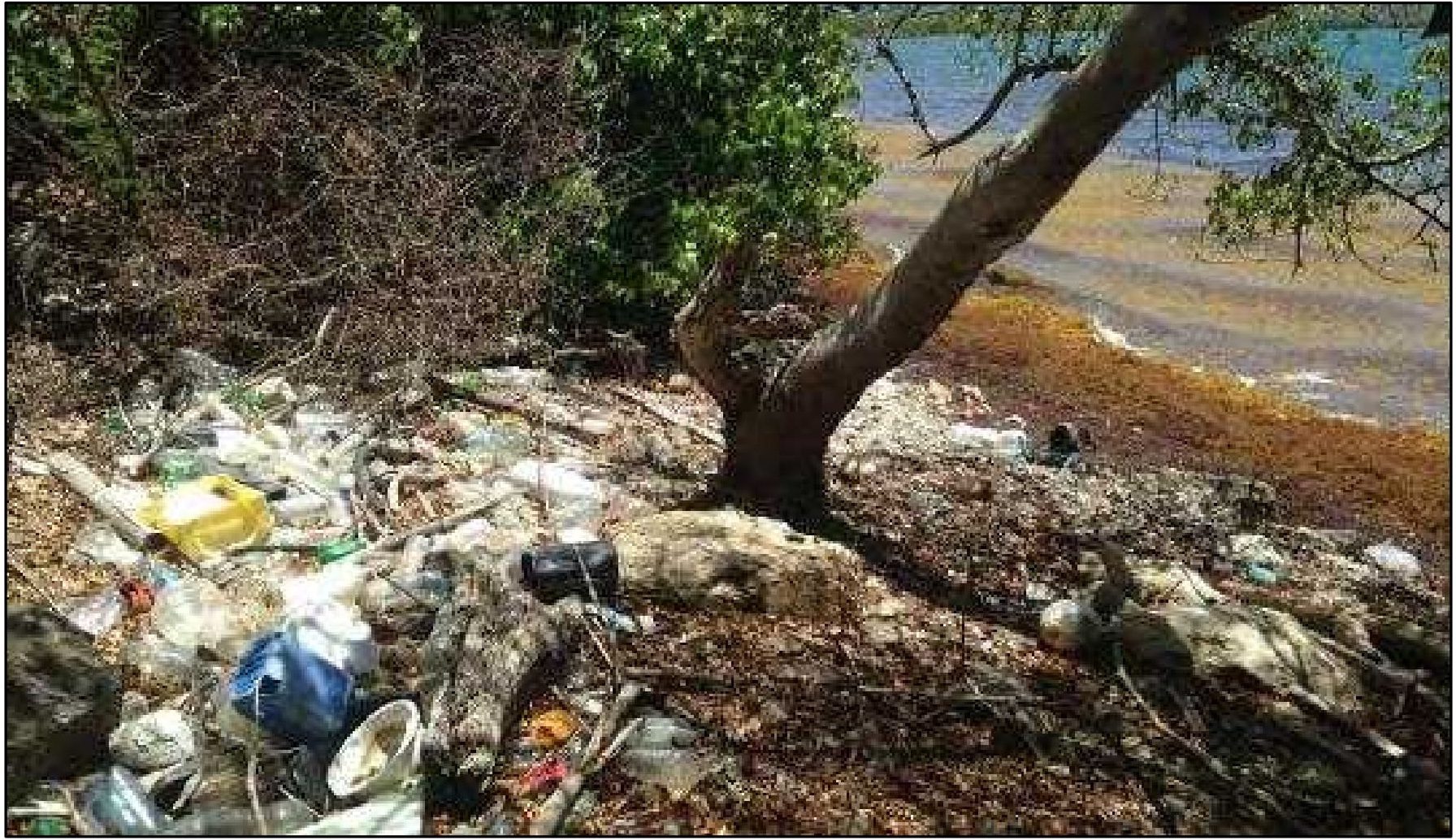
Local government entities claimed in theirย April 2025 suitย that PepsiCo and Coca-Cola were creating, marketing, and distributing plastic products they knew could not be recycled, despite their claims to the contrary. The associated litter, the USVI government said, was burying the territoryโ€™s natural beauty under waves of floating garbage.

The suit claimed violations of consumer protection laws, the Consumer Fraud and Deceptive Business Practices Act, and common public nuisance laws.

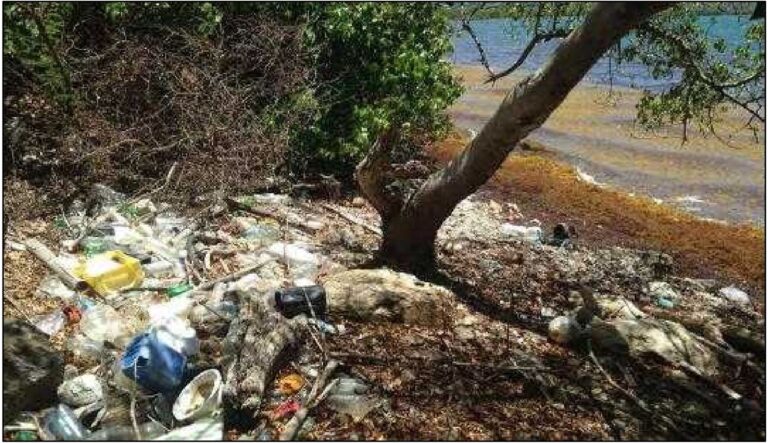
โ€œPepsiCo and Coca-Cola โ€” the top plastic polluters in the world โ€” have littered the Virgin Islands with their plastic bottles and engaged in a disinformation campaign to make consumers falsely believe that purchasing their products in single-use plastic bottles is an environmentally responsible choice,โ€ according to the lawsuit, which included photos of plastic debris on beaches, waterways, and overflowing landfills.

Contrary to statements from the companies, plastic bottles could only be recycled once, if at all, the suit alleged. In 2019, the companies invested $4.24 billion in advertising and marketing but only $11 million to help fund a river cleanup initiative, the same year, according to court records. The suit also alleged PepsiCo Inc., PepsiCo Caribbean, The Coca-Cola Company, and CC 1 Virgin Islands made โ€œfalse or misleading statements or representationsโ€ about the characteristics of the presence of microplastics.

The beverage companies were not alone, the suit alleged, and belong to organizations that lobby lawmakers and trade groups to define words like โ€œrecyclableโ€ more loosely, push back on low-plastic packaging restrictions and single-use plastic use, and create false-front groups โ€” like Alliance to End Plastic Waste โ€” that only pretend to promote environmental sustainability.

It was unclear when the Superior Court might hear the case.

Startup Battle USVI 2026 to Award 100K in Live Pitch Competition

0
Startup Battle USVI 2026 will bring entrepreneurs, investors, and community members together for a live pitch competition at UVIโ€™s Orville Kean Campus on Thursday. (Shutterstock image)

The UVI Research and Technology Park, in partnership with Southern Equity and the University of the Virgin Islands, is set to host Startup Battle USVI 2026 on Thursday at the Eldridge Wilburn Blake Sports and Fitness Center on UVIโ€™s Orville Kean Campus. The event runs from 6 -9 p.m. and is free and open to the public.

The centerpiece of the evening is a live pitch competition featuring six finalists, four early-stage startups and two student-led ventures, who will present their business concepts before a panel of judges and a live audience. A total of $100,000 in investment capital will be awarded, with $80,000 designated for early-stage startups and $20,000 for UVI student-led ventures.

The competition has previously helped launch Virgin Islands businesses with significant impact. In October 2022, St. Croix-born brothers Khalid and Zayd Salem won the $100,000 top prize for their meal delivery service, Boomerang Eats. At the time, the brothers had been operating on St. Croix for just three months and used the investment to expand their service to St. Thomas and St. John, with plans for broader Caribbean growth. The event drew approximately 400 attendees to St. Thomas, including nearly 150 University of the Virgin Islands students.

The four early-stage finalists for 2026 are:

EstateShield VI: A technology-enabled platform providing holistic estate planning services for families in the U.S. Virgin Islands.

Juju & Ceceโ€™s Lemonades and Treats: An agricultural enterprise that processes local crops into packaged foods and beverages using modern distribution technologies.

RePlastic Recycle: A climate technology company developing AI-driven infrastructure to support circular economies in island and coastal markets.

cpStacks: A financial technology firm building cloud and AI applications designed to broaden access to trading tools and address wealth gaps.

The two student track finalists are:ย 

MAPPIT: A geospatial mapping and drone imagery company providing spatial data services in the territory.

CTF Consulting: An environmental consulting initiative focused on converting organic waste into fertilizer.

In addition to the pitch competition, the event will feature live musical performances by Virgin Islands artists PUMPA and Kruziano. Local vendors will be on-site, and attendees will have networking opportunities with founders, investors, and community leaders.

For more information, contact Sydney Paul, Director of Marketing at the UVI Research and Technology Park, atย sydney.paul@uvirtpark.net.

Jobs - Click Here