
Home Blog Page 459

Coral Bay Yacht Club Hosts Flotilla and Chili Cook-Off Saturday

Members of the Youth Sailing Program line up for a photo after a dayโ€™s sailing. From left, Zack Wilson, Anais Craig, Audie Weaver, Delilah Craig, Bannon Beaty, Nate Craig, Elena Magnie. Coach Sam Normington is behind them.
(Submitted photo)

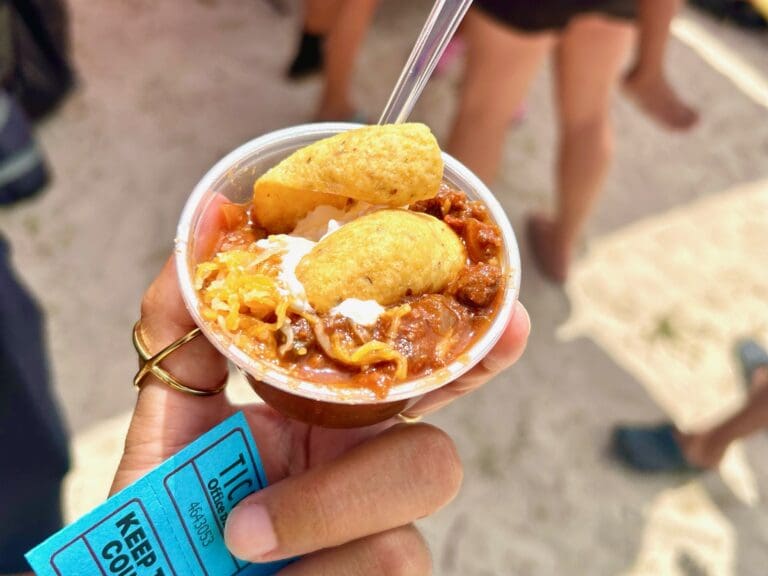
The Coral Bay Yacht Club is delighted to announce the return of its popular Flotilla event, now featuring a delicious twist โ€” a Chili Cook-Off. Aptly dubbed โ€œA Party with a Purpose,โ€ the event will take place Saturday, from 11 a.m. to 3 p.m. at Hansen Bay on the east end of St. John.

All proceeds from this festive gathering will benefit competitive youth sailing programs on St. John, empowering young sailors to refine their skills and pursue their passion for the sport.

This yearโ€™s event promises an unforgettable day filled with flavor, fun, and philanthropy, according to the organizers. Highlights include:

  • Chili Contestants: Dare to sample and savor a variety of unique chili
  • Live Music: Enjoy lively tunes that will keep the party spirit
  • Cash Bar: Raise a glass to the future of youth
  • 50/50 Raffle: Take a chance to win big while supporting a worthy
  • Sailing Demonstrations: Watch Kids and the Sea students showcase their sailing skills, sure to inspire young attendees to take to the water.

Guests can arrive by boat or by car. Those arriving by car can enjoy free entrance to Hansen Bay.

Those without a boat can sign up to travel by sea to Hansen Bay. Volunteer boats and crews will ferry guests from Coral Bay to Hansen Bay. Reservations are required in advance for boat transportation, which costs $40 per person. Reservations can be made by texting Jamie at 340-227-3260. (Please note that walk-ins at the dock cannot be accommodated.)

The annual Coral Bay Yacht Club Flotilla has a long history of fundraising, according to Julie Fortunato, a longtime CBYC member. It began following Hurricane Marilyn in the late 1990s as a way to help repair the roof of the Emmaus Moravian Church. Back then, it was a full-day flotilla to the British Virgin Islands.

This was before Customs and Immigration regulations in both territories got so complicated, Fortunato said. To make things simple, British Virgin Islands officials greeted boaters at Benures Bay on Norman Island, and U.S. Virgin Islands Customs came to Coral Bay to help clear everyone back in.

The yacht club has raised money for several causes over the years, but the one that has benefited the most is the Kids and the Sea Program, known as KATS. Founded by the late Fletcher Pitts and his wife, Robin Clair, the program began on St. Thomas in response to the 1986 deaths of three St. Thomas youths. They drowned while on an outing to one of the cays located in Pillsbury Sound off St. John.

The St. John program followed shortly after in 1988, and within two decades, it already had trained more than 500 youngsters in basic rowing skills, water safety and sailing programs, according to a 2007 article in the Source.

This year, however, some of the funds raised will go to support the Youth Sailing Program, a new competitive sailing program for St. John teens being hosted by the Gifft Hill School

The new sailing team, coached by Sam Normington, is open to all middle and high school students on St. John whose schools do not offer sailing programs. This initiative is designed to accommodate a broad range of skill levels, from novices who have never set foot on a boat to experienced sailors looking to hone their competitive edge.
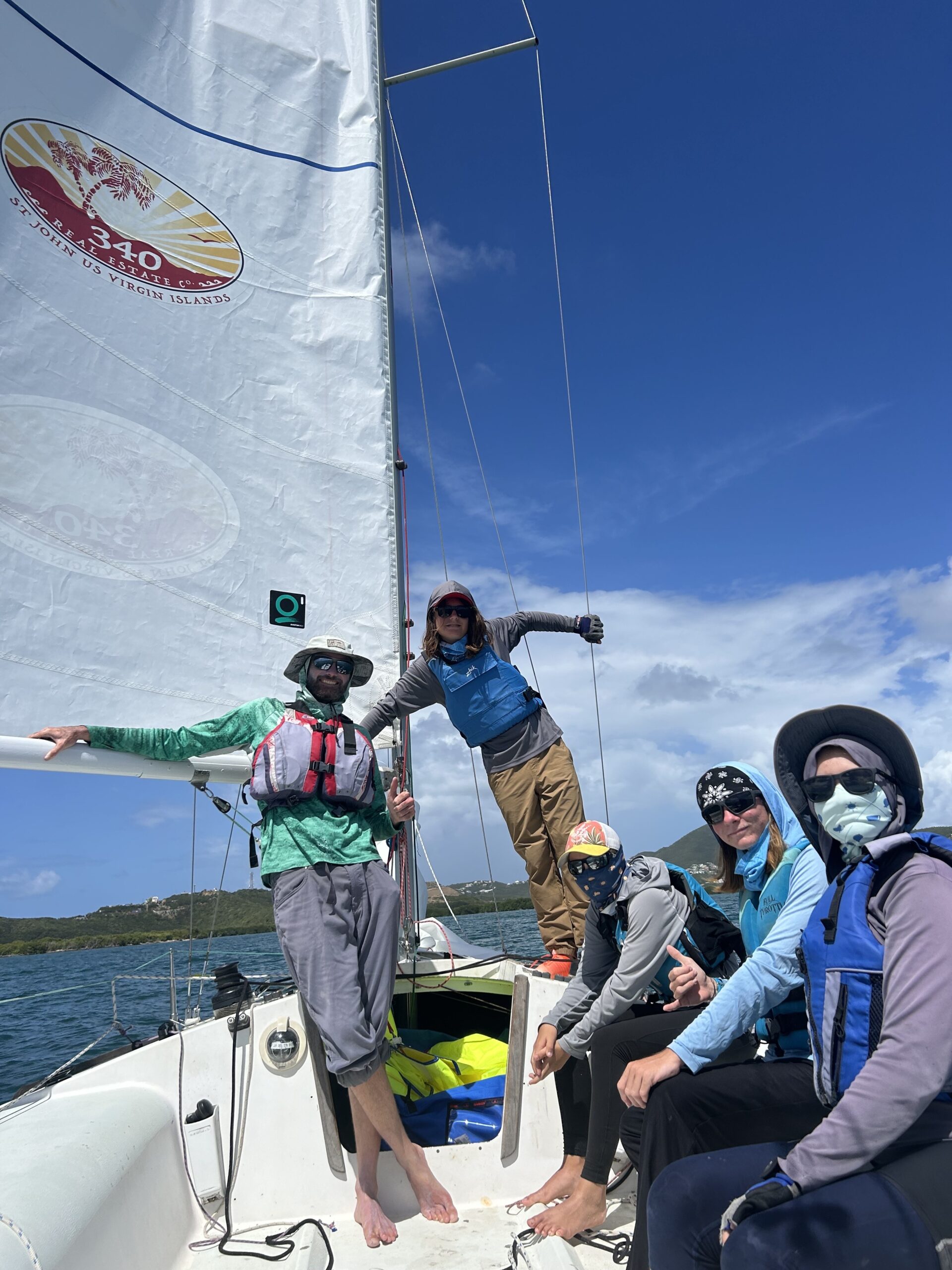
KATS and the Gifft Hill sailing team racing at the St. Thomas International Regatta. From left: Sam Normington, Audie Weaver. Elena Magnie, Zach Wilson, Anaรฏs Craig.ย (Submitted photo)

โ€œWeโ€™re surrounded by water, so being knowledgeable about being on the water and activities you can do on the water are super crucial to the next generation and to the community,โ€ said KATS Secretary Val Tarr. โ€œKATS is more about water safety and recreational sailing. The Gifft Hill program will complement that by allowing sailors to compete at a higher level. Weโ€™re really excited about having a coach who can get these kids ready to go to regattas.โ€

The Coral Bay Yacht Club sponsors two major regattas, the Thanksgiving Regatta and the Commodoreโ€™s Cup, scheduled for the first weekend in May.

For more information, call Mary Burks at 340-513-8141, Dave Dostall at 340-643-2630, or email coralbayyachtclubstj@gmail.com.

Michelle Smith Sets World-Leading Time in 400m Hurdles, Breaks Multiple Records at Florida Relays

0
Michelle Smith (Photo courtesy VITFF)

Virgin Islands Sports Ambassador Michelle Smith, a freshman at the University of Georgia, clocked a world-leading time of 54.56 seconds to win the 400-meter hurdles at the Pepsi Florida Relays on Friday and Saturday. The performance not only earned her the top global mark at the time but also broke three major records, including a 29-year-old University of Georgia record and her own Virgin Islands national record.

Smithโ€™s time surpassed the previous Georgia school record of 54.93 seconds set in 1996 by Olympian Gudrun Arnadottir of Iceland. It also demolished her previous Virgin Islands national record of 55.96 seconds. The run secured her qualification for this yearโ€™s World Championships in Tokyo, Japan, and placed her at the top of the NCAA rankings, according to the press release.

The win came during an invitational 400m hurdles section that featured two professional athletes and a Miami junior who had previously beaten Smith. Positioned between her top rivals, Smith chased early leader Tia-Adana Belle of Barbados through the first seven hurdles before pulling ahead in the final stretch to secure victory in a dramatic 110-meter sprint to the finish, the press release stated.

The University of Georgia freshmanโ€™s performance earned her a World No. 1 ranking โ€”briefly โ€” before Olympic champion Sydney McLaughlin-Levrone edged her mark just two hours later at the Grand Slam meet in Jamaica. Smith now holds the World No. 2 ranking in the womenโ€™s 400m hurdles, the release stated.

Michelle Smith will next represent the Virgin Islands at the CARIFTA Games in Trinidad and Tobago, scheduled for April 18โ€“22, 2025, it said.

Watch the 400m Hurdles race here.

All Virgin Islands athletes are encouraged to register with the Virgin Islands Track and Field Federation. Registration is available online at the federationโ€™s website.

Virtue of the Week โ€“ Honesty

Virtue of the Week โ€“ Honesty

Virtue of the Week focuses on building peaceful and caring communities through understanding and fostering the practice of virtues. The Source supports the Virtues Project and will publish one virtue developed by the project each week.


Honesty

Honesty is being truthful, sincere, open, and genuine. We are content and confident to be ourselves. We see ourselves and others with unclouded eyes. We do not exaggerate to impress others. We refuse to lie, cheat or take what is not ours. We strive to keep our promises. As we recognize illusions and self-deceptions, we gently let them go. We admit mistakes even when someone may be disappointed. We stand strong, knowing that we have true value in being who we truly are.

Quote: โ€œHonesty is the best policy. If I lose mine honor, I lose myself.โ€ โ€” William Shakespeare

The Practice of Honesty

I am open and transparent.

I say what I mean and mean what I say.

I make promises I can keep.

I continually seek to know the truth.

I have the humility to admit mistakes.

I am true to myself and my purpose.

Questions for Discussion

  • How do we honor honesty in our community?
  • How can we make it safe to be honest as we deepen our social Justice work?
  • What are we willing to sacrifice in order to continually seek truth?
  • What does transparency look like in our social justice work?

Sign up to receive the Virtue of the Week by email!

Visit https://cfvi.net/Virtues-Projectย and scroll to the end of the page to fill out the form.

Virtue of the Week is provided by the Community Foundation of the Virgin Islands (CFVI) in partnership with the VI Source and Virtues Matter.

About the Community Foundation of the Virgin Islands

Since 1990, CFVI has been a catalyst for positive change in the territory through initiatives committed to youth, learning, family support and the environment. With a professional staff and a volunteer Board of Directors composed of community leaders, CFVI is a trusted advocate and supporter of programs that ensure opportunity and sustainability for current and future generations. CFVI is a registered non-profit organization entirely supported by individual donors, grants, trusts, corporate donations and estate planning.ย For more information, visitย cfvi.net.

About Virtues Matterย Virtues Matter was started by a passionate wife-husband team of social entrepreneurs seeking to positively uplift as many lives as possible. We aim to inspire and empower, to build capacity, strengthen relationships, and help everyone lead lives of passion and purpose.

Virtues Matter believes in a world where people are committed to kindness and respect, strive to be their best, and live with hope, courage and in unity. We built the Virtues Cards mobile app, an interactive personal and team development tool, to help people identify and develop key virtue skills. We also offer dynamic workshops, online training, and customized programs to help people cultivate these positive qualities of character. To learn more, visit virtuesmatter.com.

To learn more about the Virtues Project, visitย www.virtuesproject.com.

Weekly Weather Forecast With Jesse Daley

0

Check out our weekly weather forecast with Jesse Daley, covering Sunday, April 6, through Saturday, April 12. Our YouTube playlist is updated every week, AND check out Jesseโ€™s daily weather updates here.

NOAA Develops Algorithm to Track Turbulence, Boost Aircraft Safety

0

Scientists with the National Oceanic and Atmospheric Administration (NOAA) have developed an algorithm system to measure in-flight turbulence. By studying nearly two decades of data, the research could help improve flight safety for NOAA reconnaissance missions into tropical cyclones and establish new turbulence standards for passenger flights.

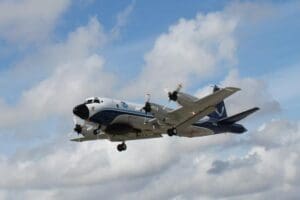
NOAAโ€™s Lockheed WP-3D Orion aircraft utilized for reconnaissance missions into tropical cyclones. (Photo courtesy NOAA)

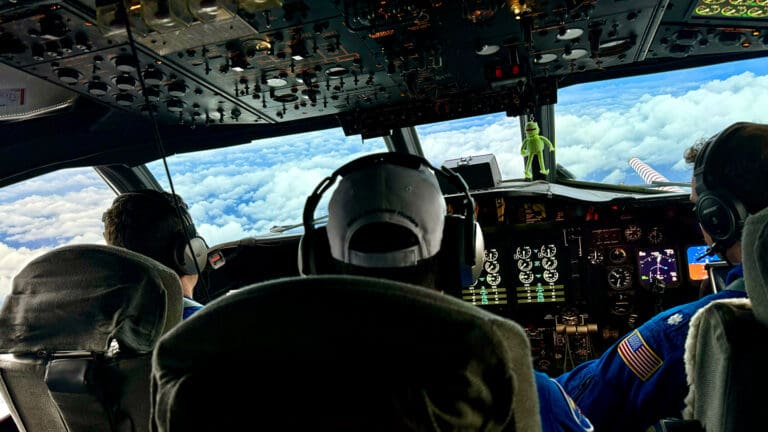
According to an article released from NOAA on March 31, a team of NOAA scientists wanted to learn more about the intense turbulence experienced while flying aboard a NOAA Lockheed WP-3D Orion aircraft to obtain weather information about Hurricane Ian, a major hurricane in 2022.

โ€œNOAA flies hurricane hunter aircraft to gather and transmit critical data essential to protecting lives, property and strengthening our economy,โ€ the NOAA article said. โ€œCrew members include officers in theย NOAA Commissioned Corps, and scientists and engineers fromย NOAAโ€™s Office of Marine and Aviation Operations,ย NOAA Research, and theย NOAA Satellite and Information Service,โ€ the report continued.

โ€œThe question spurred scientists, two who were aboard [the flight into Hurricane Ian, which experienced severe turbulence], to develop a new system to measure flight bumpiness. The new rating system, described inย research published online in the Bulletin of the American Meteorological Society, can be used broadly to measure bumpiness on other flights. It can also be used to advance safety improvements,โ€ the NOAA article said.

โ€œWe wanted to know how our flight into Hurricane Ian stacked up against other bumpy missions,โ€ said Joe Cione, a hurricane researcher atย NOAAโ€™s Atlantic Oceanographic and Meteorological Laboratory, who was aboard the flight to gather data to improve the forecast. โ€œWith turbulence as the leading cause of injuries aboard aircraft, we hope our research can help improve the safety of many who fly.โ€

Measuring Turbulence

The National Oceanic and Atmospheric Administration Research division has developed a new algorithm to help measure aircraft bumpiness. The system will help Hurricane Hunters and possibly passenger jets in the future. (Photo courtesy NOAA)

Researchers created an algorithm to rate turbulence to improve safety for pilots, crew, and passengers. Their findings could help establish new turbulence standards, making air travel safer, including for the traveling public aboard commercial flights.

The research report explained the following details about how the new system to measure bumpiness was established.

โ€œTo create the system, the team of scientists from NOAA Research, NOAAโ€™s National Weather Service, and partner scientists gathered flight data routinely recorded every second on its P-3 aircraft [an airplane used to investigate tropical cyclones] flying into Atlantic hurricanes from 2004 to 2023. The data tracks three dimensions of motion, front to back, left to right as well as up and down.

โ€œ[Researchers] also included the data from Hurricane Hugo in 1989 and [Hurricane] Allen in 1980, two particularly bumpy flights. From all this data, they created an algorithm to define and rate bumpiness.โ€

The report indicated, โ€œWhile there are other systems that measure atmospheric turbulence, what is new and different about the bumpiness measuring system is that it quantifies the bumpiness felt by people inside the aircraft, accounting for three dimensions of motion: front to back, left to right as well as up and down.

โ€œThe current gold standard for measuring turbulence, called โ€˜Eddy Dissipation Rate,โ€™ measures the rate at which energy in the atmosphere dissipates, focusing on whatโ€™s occurring in the atmosphere and not inside the plane,โ€ according to the report.

NOAAโ€™s Turbulence System Explainedย 

Official logo of NOAAโ€™s Research Division. (Photo courtesy NOAA)

The Source contacted one of the authors of the airplane bumpiness research paper for additional details about the project. Joshua B. Wadler, lead author of the new research and an assistant professor of meteorology at Embry-Riddle Aeronautical University, explained how the algorithm system may be helpful for safety.

โ€œWe created [the] algorithm based on physics first principles that use the data that is already collected and recorded on the NOAA P-3 [aircraft],โ€ Wadler explained. โ€œThe [new] algorithm [analyzes] the previously available data [from instruments aboard a NOAA aircraft] and computes the bumpiness [included for three dimensions of motion: front to back, left to right as well as up and down],โ€ he said.

Wadler noted that the algorithm could be used to evaluate passenger plane bumpiness levels, helping to keep individuals safe.

โ€œFor the general public, I view the bumpiness metric as providing an additional safety standard,โ€ Wadler stated. โ€œFor example, if future research shows that high amounts of bumpiness impede decision making, bumpiness that exceeds a certain threshold might require additional sign-off on some decision-making from air traffic controllers.โ€

โ€œSince the algorithm to compute bumpiness uses information every aircraft records in real-time, it would be relatively straightforward to apply it to any aircraft,โ€ Wadler said. โ€œWe plan to [eventually] work with the Federal Aviation Administration and potentially [commercial] airlines to standardize this process,โ€ he added.

The Source also connected with Sim Abersonย , a meteorologist at theย Atlantic Oceanographic and Meteorological Laboratoryโ€™s Hurricane Research Division, which is part of NOAA. Aberson is a โ€œHurricane Hunter,โ€ and he was on board two reconnaissance flights into Hurricane Felix in 2007 and Hurricane Cristobal in 2014. The data from these flights were included in the research leading up to the development of the new bumpiness algorithm.

โ€œ[The extreme turbulence during the flight into Hurricane Felix] all happened really so quickly that it was over before [the scientist on board the flight] registered that anything [serious] had happened,โ€ Aberson described. โ€œ[However,] the radars went out, which meant that we could not see the structures around us, [and] it was dusk on a moonless night, so it was difficult to see the clouds,โ€ he continued.

โ€œThe [bumpiness experienced during a research flight into Hurricane Hugo in 1989] was the most dangerous, and we know that there can be even more dangerous events,โ€ Aberson warned. โ€œ[Therefore,] it’s important to know how the aircraft responds,โ€ he said.

Aberson said that while it is rare for hurricane research aircraft to crash, accidents can and do happen. The most recent U.S. hurricane reconnaissance flight that went down over the Atlantic Ocean occurred in 1955.

ย Safety and Protection for the Public

In addition to developing the new system to measure bumpiness, environmental scientists are committed to studying the environment and helping keep the public safe. A recent Source article highlighted some of the significant research conducted by the individuals at NOAA and the National Weather Service.

According to information from NOAAโ€™s Research division, โ€œNOAA Research enables better forecasts, earlier warnings for natural disasters, and a greater understanding of the Earth.โ€ The site also explains the divisionโ€™s โ€œrole is to provide unbiased science to better manage the environment, nationally and globally.โ€

โ€‹Individuals can read about the latest NOAA research on the agencyโ€™s website.

ย Staying Informed About Weather Events

Hurricane season begins on June 1 and runs through Nov. 30, and USVI residents and visitors are encouraged to be prepared. In addition to obtaining weather information from the NWS and NOAA, the local weather forecast for the U.S. Virgin Islands is regularly updated on theย Source Weather Page andย VI Source YouTube Channel. Individuals can also find helpful weather information and alerts from the Virgin Islands Territorial Emergency Management Agency.

Man Dead Following Crash on St. Croix

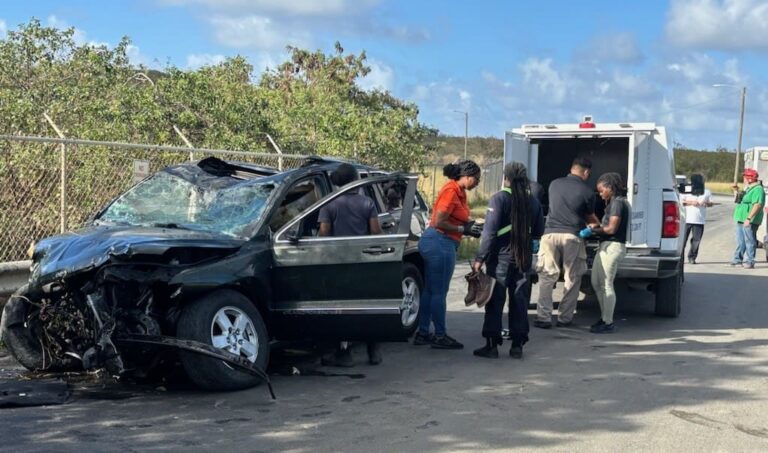
On March 28, 66-year-old Micheal R. King, the operator of a 2011 Jeep Cherokee that was traveling eastbound on East Airport Road, lost control of the vehicle and it subsequently fell into a ravine, the Virgin Islands Police Department reported.

St. Croix Rescue and Bates Trucking assisted with the recovery of the vehicle and the driver out of the ravine. He was not wearing a seat belt. Emergency Medical Technicians determined he was deceased, according to the police report.

The cause of death will be determined upon the completion of the autopsy. This case is currently under investigation by the Virgin Islands Port Authority with assistance from the V.I. Police Department Traffic Investigation Bureau commander in the St. Croix District.

VI Sixth Constitutional Convention Plenary Session on April 12 in St. Croix

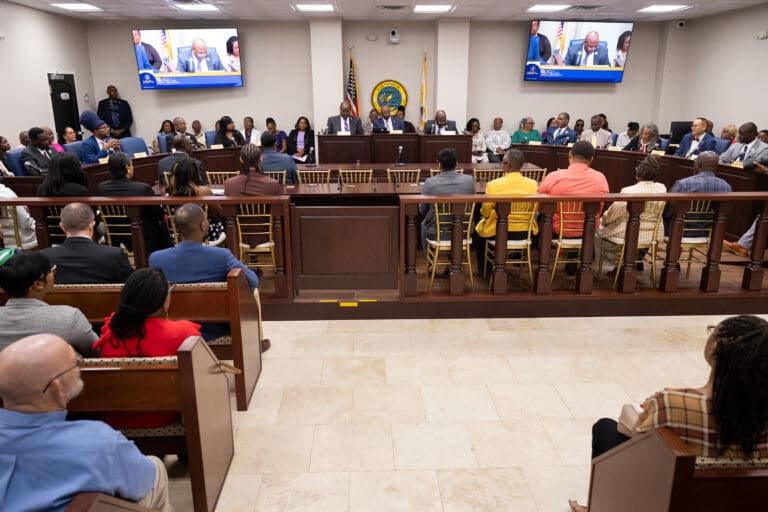
The VI Sixth Constitutional Convention will convene for its next plenary session in the St. Croix district. The meeting is open to the public and media, and all are encouraged to attend to witness the critical discussions shaping the future governance of the Virgin Islands.

The meeting details are as follows:

โ— Date: Saturday, April 12, 2025

โ— Time: 10:00 AM to 3:00 PM

โ— Location: VI Port Authority, Conference Room

Henry E. Rohlsen Airport Terminal,

Estate Manning Bay, Christiansted, St. Croix, VI 00821

The VI Sixth Constitutional Convention is tasked with drafting a constitution that reflects the needs and aspirations of Virgin Islanders. This plenary session will bring together delegates to deliberate key constitutional administrative matters and discuss agenda items that advance the conventionโ€™s objectives.

Meeting Highlights Include:

โ— Public Engagement

โ— Administrative Updates

โ— Standing Committee Reports and Next Steps

โ— Amending Committee Definitions and Responsibilities

The media is invited to attend and cover the event to ensure transparency and community engagement in this historic process. Media outlets are encouraged to share this announcement with the public and help promote awareness of the importance of constitutional development for the Virgin Islands.

Public Participation Encouraged

Community members are urged to attend and engage in the process as we work toward crafting a governance structure that represents and serves the interests of all Virgin Islanders. The convention remains committed to inclusivity, transparency, and meaningful public dialogue in shaping the future of the territory.

For more information, media inquiries, or interview requests, please contact Delegate Secretary Imani Daniel.

About the VI Sixth Constitutional Convention:

The VI Sixth Constitutional Convention (VICC) is a historic, community-driven process dedicated to crafting aย forward-looking constitution for the U.S. Virgin Islands. Elected delegates and subject matter experts areย committed to transparency, inclusivity, and robust public engagement. Its mission is to ensure that every Virginย Islanderโ€™s voice is heard as it lays the groundwork for a modern governance framework that reflects theย communityโ€™s diverse needs and aspirations. By fostering open dialogue and advocating for meaningful reforms,ย the VICC aims to build a resilient, responsive, and democratic future for the territory.

Senate Calendar April 7 to April 16

MONDAY, APRIL 14, 2025

Regular Session

10 a.m.ย 

Earle B. Ottley Legislative Hall

ย 

TUESDAY, APRIL 15, 2025

Committee on Budget, Appropriations and Finance

10 a.m.

Frits E. Lawaetz Legislative Conference Roomย 

WEDNESDAY, APRIL 16, 2025

Committee on Economic Development and Agriculture

12 p.m.

Frits E. Lawaetz Legislative Conference Room

Colorado State University Predicts Above-Normal 2025 Atlantic Hurricane Season

There are 21 predicted named storms for the 2025 Atlantic Hurricane Season. (Photo courtesy Fox Weather

The 2025 Atlantic Hurricane Season, which runs from June 1 through Nov. 30, is expected to be a busy one, according to a new report released on Thursday from Colorado State Universityโ€™s Tropical Meteorology Project.

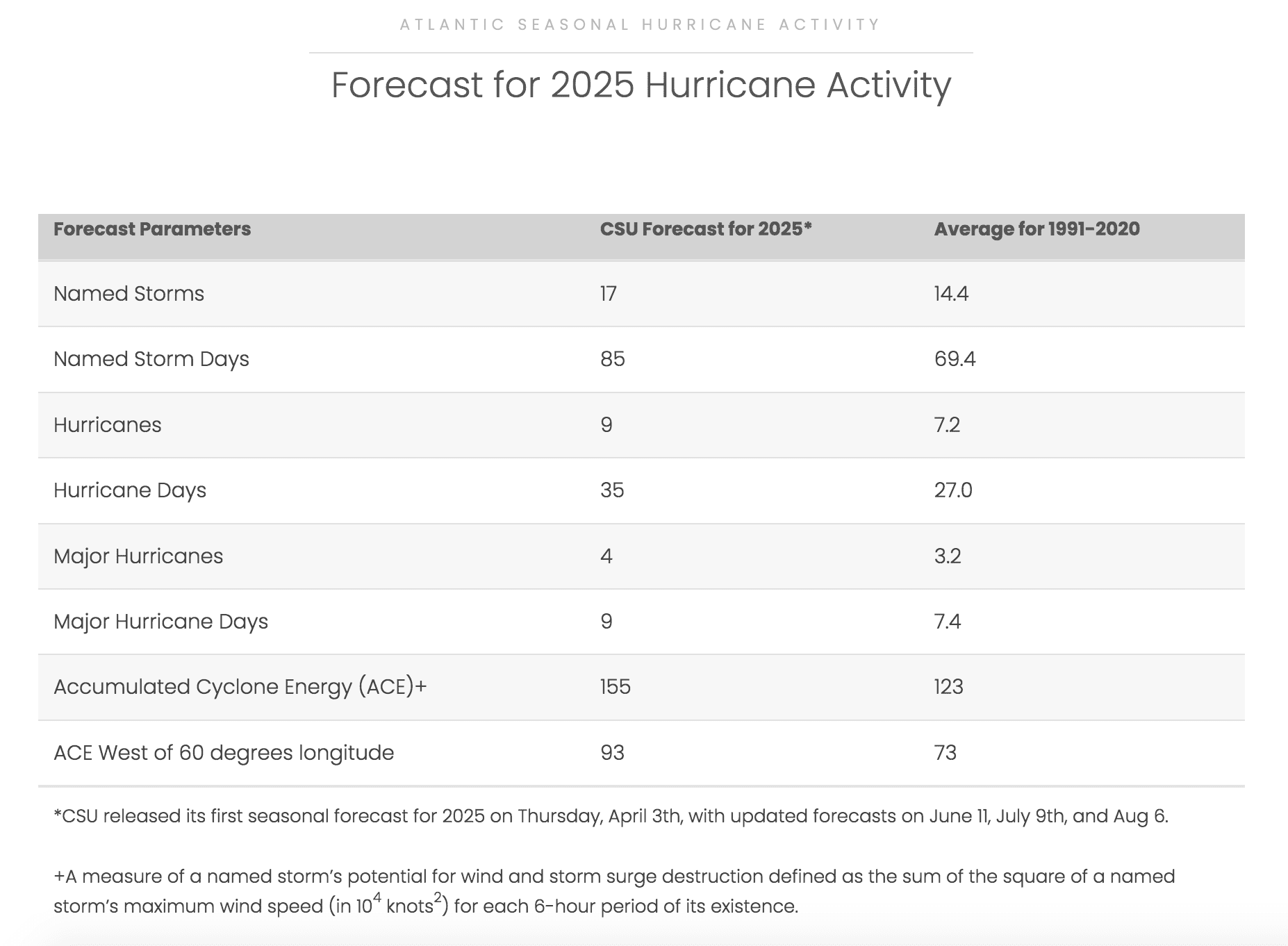
CSU expects 17 named tropical cyclones during the season, nine of which will develop into hurricanes and four of which will strengthen into major hurricanes of Category 3 or higher.

CSU expects an above-normal 2025 Atlantic Hurricane Season. (Photo courtesy CSU)

โ€œWe anticipate that the 2025 Atlantic basin hurricane season will have above-normal activity,โ€ the CSU report warned. โ€œWe estimate that 2025 will have 17 named storms (average is 14.4), 85 named storm days (average is 69.4), nine hurricanes (average is 7.2), 35 hurricane days (average is 27.0), four major (Category 3, 4, or 5) hurricanes (average is 3.2) and nine major hurricane days (average is 7.4),โ€ the CSU report explained. โ€œThe probability of U.S. and Caribbean major hurricane landfall is estimated to be above its long-period average,โ€ CSU added. CSU defines a hurricane day as โ€œa measure of hurricane activity, one unit of which occurs as four six-hour periods during which a tropical cyclone is observed or is estimated to have hurricane-force wind.โ€

CSU also predicted that during the 2025 season, the Atlantic basin Accumulated Cyclone Energy, a type of equation that measures a named stormโ€™s potential for wind destruction, and the Net Tropical Cyclone Activity, an overall indication of Atlantic basin seasonal hurricane activity, [will] be approximately 125 percent of their long-term averages.

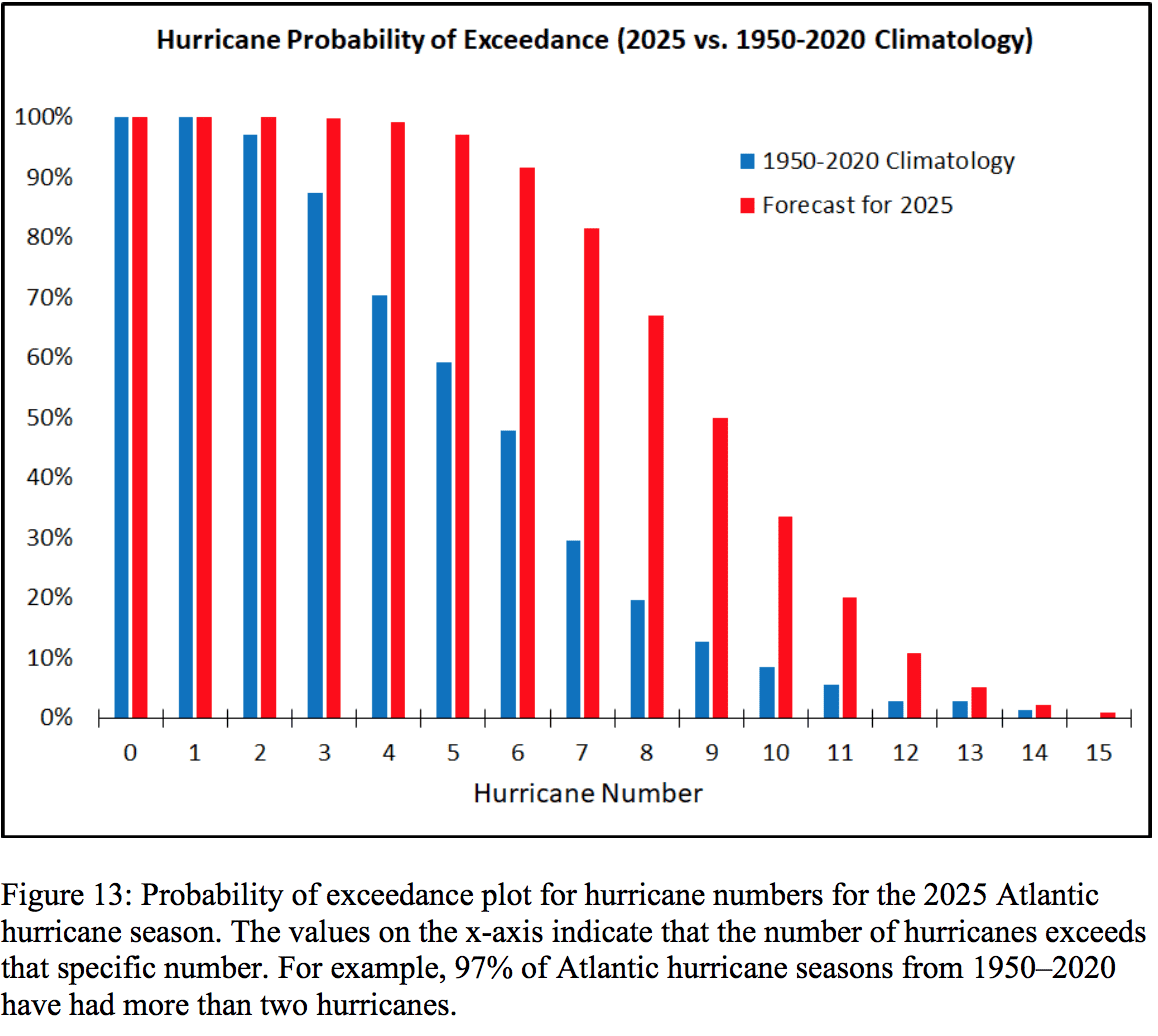
CSU uses statistical models and climatology as part of its hurricane season forecast. The red bar represents the number of expected cyclones during the 2025 hurricane season. (Photo courtesy CSU)

CSU Hurricane Season Forecast Factors

CSU highlighted how sea surface temperatures and the El Niรฑo-Southern Oscillation (ENSO) cycles, including La Niรฑa, El Niรฑo, and a neutral transition phase, can influence tropical development, with a neutral phase likely to occur this year.

Aย previous Source articleย explained that, during aย La Niรฑa cycle, the ocean waters across the equatorial Pacific Ocean cool significantly, affecting global weather. During La Niรฑa, wind shear โ€“ a change in wind direction and velocity with height in the atmosphere โ€“ also typically decreases in the Atlantic Ocean. A reduction in wind shear can favor cyclone development. This pattern is the opposite ofย El Niรฑo, a warming of the equatorial Pacific, which usually increases wind shear in the Atlantic Ocean, helping to rip apart storms and prevent hurricane formation and intensification.

โ€œScientists call [the two opposing climate patterns of El Niรฑo and La Niรฑa] the โ€˜El Niรฑo-Southern Oscillationโ€™ cycle. El Niรฑo and La Niรฑa can both have global impacts on weather, wildfires, ecosystems, and economies,โ€ according to NOAA.

A neutral phase of ENSO occurs when neither El Niรฑo nor La Niรฑa are happening, and this phase can also help to reduce wind shear across the Atlantic. An ENSO neutral pattern may occur during at least part of this yearโ€™s hurricane season.

โ€œCurrent La Niรฑa conditions are likely to transition to ENSO neutral in the next couple of months; however, there remains considerable uncertainty as to what the phase of ENSO will be this summer and fall,โ€ CSU said.

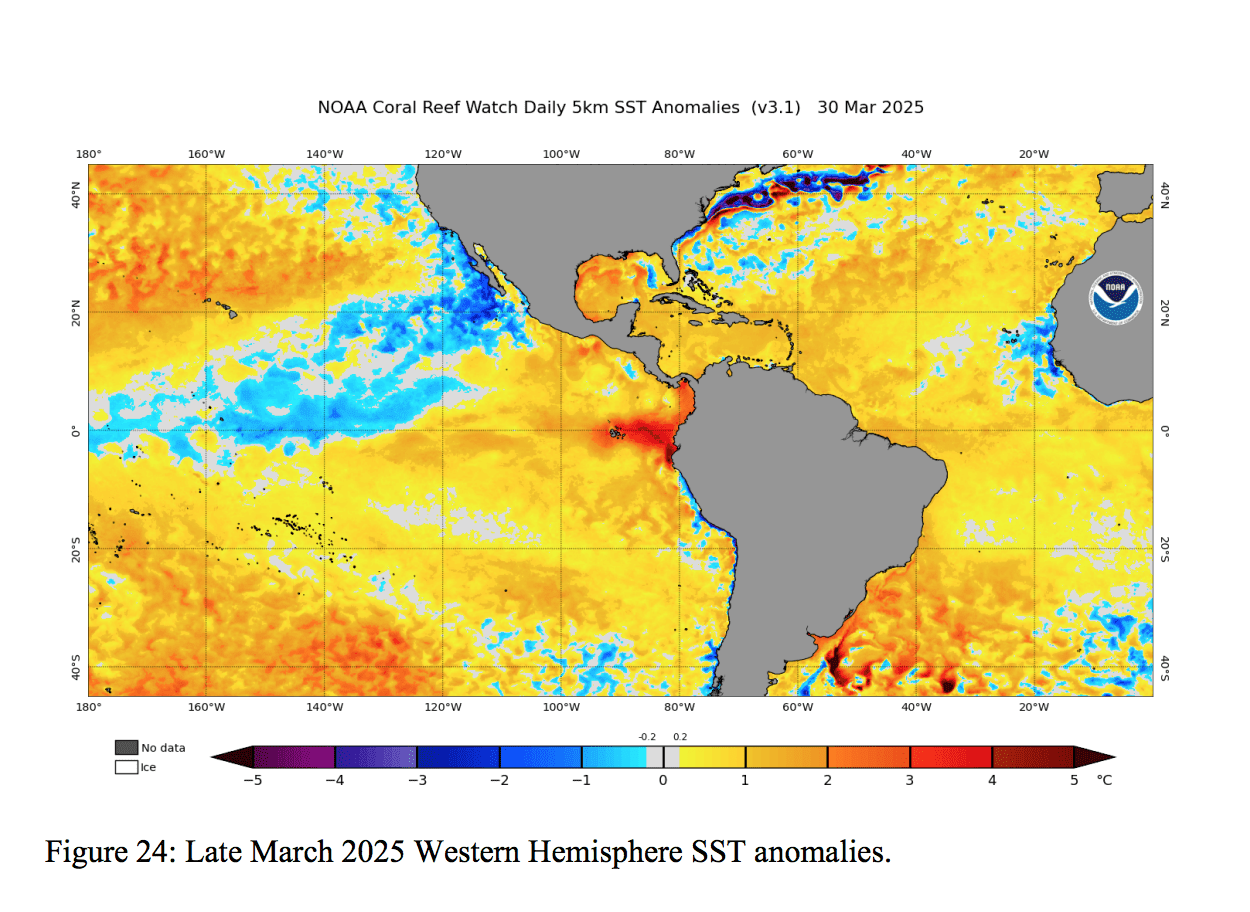
โ€œSea surface temperatures across the eastern and central Atlantic are generally warmer than normal, but not as warm as they were last year at this time,โ€ CSU explained. โ€œA warmer-than-normal tropical Atlantic combined with likely ENSO neutral (or potential La Niรฑa) conditions typically provides a more conducive dynamic and thermodynamic environment for hurricane formation and intensification,โ€ CSU noted.

Sea surface temperature anomalies for March 2025. Yellow, orange, and red colors represent warmer-than-average ocean temperatures. (Photo courtesy CSU and NOAA)

Additional factors that contributed to the creation of CSUโ€™s forecast include using statistical models and analyzing previous hurricane seasons to generate the expectations for the upcoming season.

โ€œCertain years in the historical record have global oceanic and atmospheric trends which are similar to 2025,โ€ CSU explained. โ€œThese years also provide useful clues as to likely levels of activity that the forthcoming 2025 hurricane season may bring,โ€ CSU continued. โ€œFor this early April extended range forecast, we determine which of the prior years in our database have distinct trends in key environmental conditions which are similar to current March 2025 conditions and, more importantly, projected Augustโ€“October 2025 conditions.โ€

Possible Caribbean Impacts

The Source contacted CSU for additional details regarding potential impacts on the Caribbean region this year. Lauren Beard, a research assistant with CSU, provided the following information.

โ€œWe are predicting a 56 percent chance of a major hurricane tracking through the Caribbean for 2025, [which] is above the historical average of 47 percent. This elevated risk highlights the importance of staying [prepared]. Staying informed through trusted sources like the National Hurricane Centerย is critical as the season approaches.โ€

Beard continued, โ€œSea surface temperatures [across the Atlantic and Caribbean] are above-average, creating favorable conditions for storm development and intensification. On a more positive note, while sea surface temperatures remain elevated, they are slightly cooler than the record-breaking 2024 levels, which could temper some storm activity. However, the overall forecast still calls for heightened activity.โ€

Beard offered the following advice for individuals across the USVI ahead of the season:

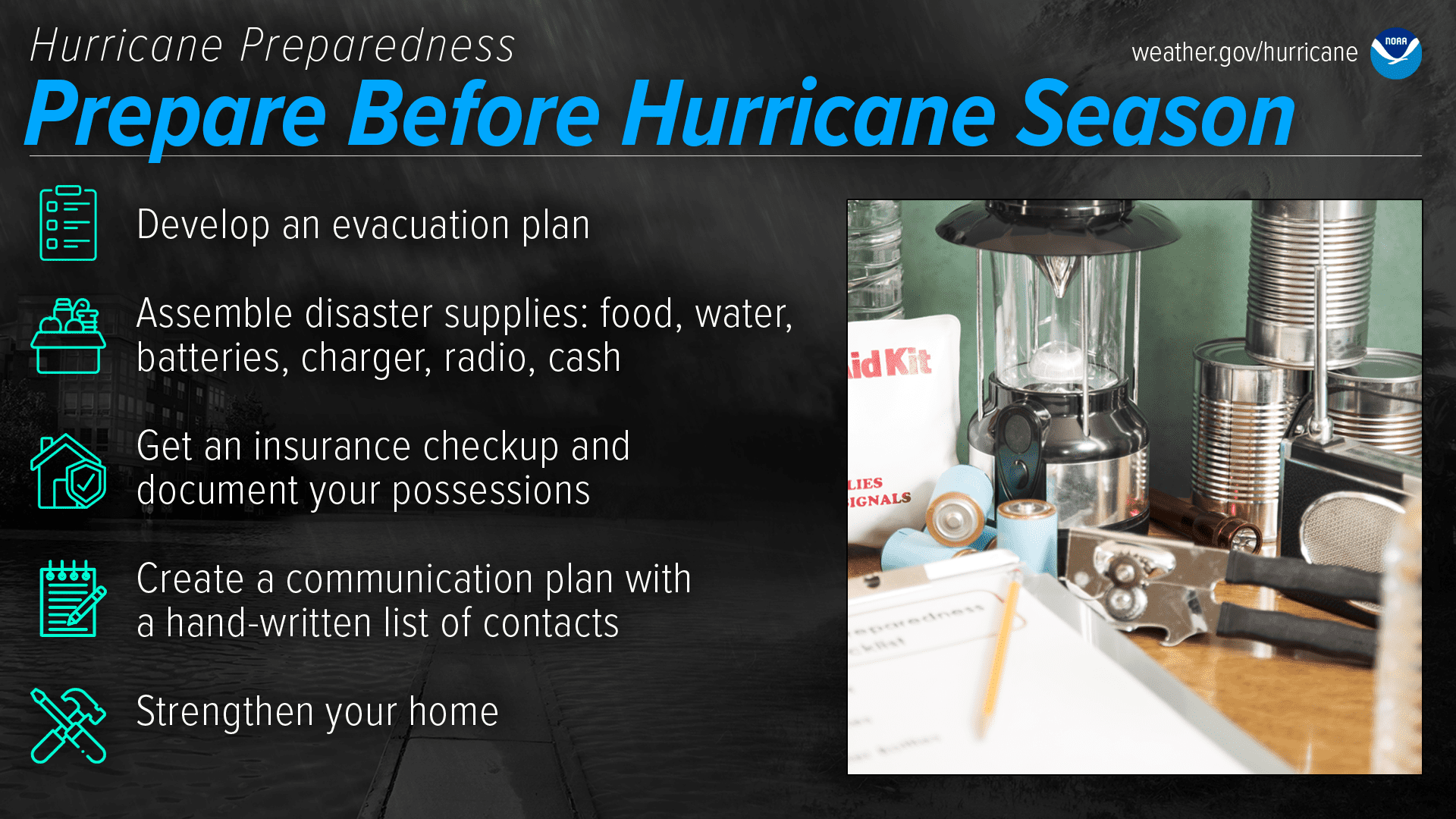
โ€œThe biggest piece of advice I would give to both residents and visitors across the islands is that it only takes one storm [that could affect the islands] to make this an active season for your area. A great way to be prepared is to have a plan before the season starts on June 1.โ€

AccuWeather Forecast Calls for Similar Hurricane Season Predictions

The CSU hurricane season forecast was released shortly after AccuWeather released its predictions for the number of cyclones expected this year. Similar to the CSUโ€™s outlook, AccuWeather is expecting an active hurricane season. A previous Source article explained the following information about AccuWeatherโ€™s expectations.

โ€œAccuWeather is forecasting near to above the historical average number of named storms, hurricanes, major hurricanes,ย accumulated cyclone energy,ย and direct impacts to the United States,โ€ according to a comment in the AccuWeather article from Alex DaSilva, the companyโ€™s lead hurricane expert.

โ€œBetween 13 and 18 named storms are expected in 2025, including seven [to] 10 hurricanes, three to five major hurricanes that reach Category 3 strength or higher, and three to six direct U.S. impacts,โ€ DaSilva said. โ€œDaSilva added that there is a 20 percent chance of more than 18 named storms this year,โ€ the AccuWeather report stated.

Stay Informed

Hurricane season begins on June 1, and USVI residents and visitors are urged to be prepared. Individuals can find information about the weather, including severe weather alerts, from theย Virgin Islands Territorial Emergency Management Agencyย website and theย National Weather Service.

Hurricane season begins on June 1 and runs through Nov. 30. (Photo courtesy NOAA)

A daily weather post is also published on theย Source Weather Page, where readers can viewย weather forecast videos.

Government Leaders, First Responders Celebrate New Marine Response Vessel

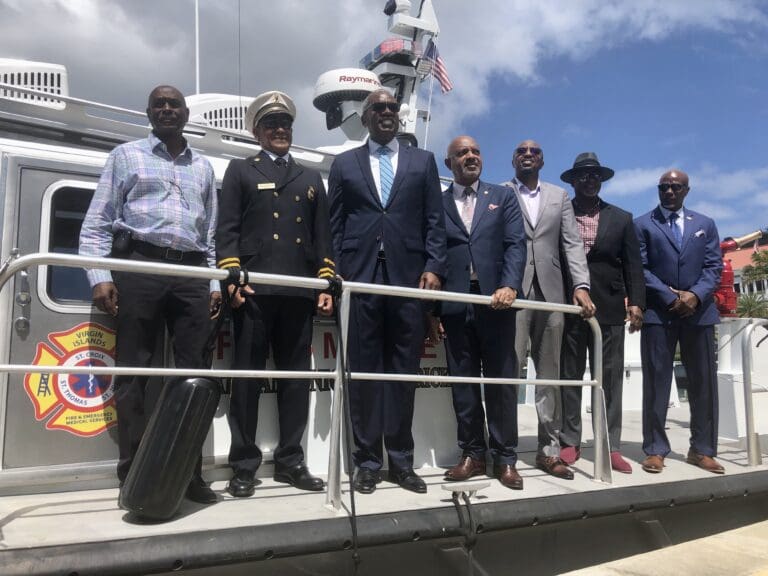
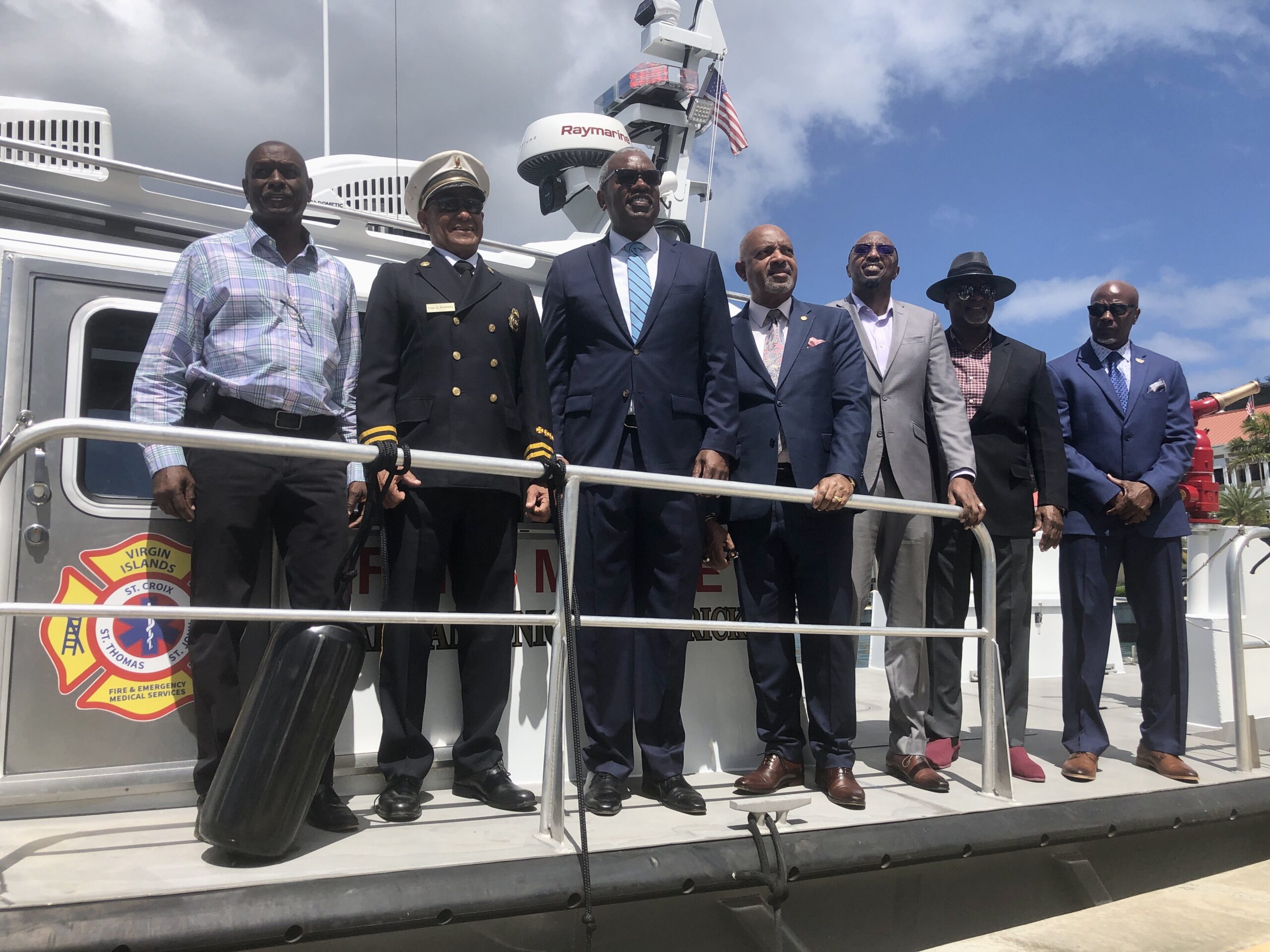
Gov. Albert Bryan Jr., (center) leads dignitaries celebrating the arrival of Marine 1; from left, Carlton Dowe, Antonio Hendricks, Gov. Bryan, Lt. Gov. Tregenza Roach, Senate President Milton Potter, Sen. Dwyane DeGraff and Antonio Stevens (Source photo by Judi Shimel)

First responders and top government officials gathered on Veterans Drive to witness the dedication of a brand-new emergency response vessel. The Marine 1 was christened when a veteran firefighter smashed a champagne bottle across its bow.

The name Captain Antonio Hendricks appears on the bow of the 40-foot high-speed emergency response craft. Officials speaking at the brief Friday ceremony praised the boatโ€™s namesake for his years of public service as a firefighter and his decades-long efforts to enhance marine-based emergency response.

Fire Service Director Antonio Stevens called the addition of Marine 1 an asset that expands his agencyโ€™s capabilities. โ€œToday is truly a day to celebrate, not only for the christening of the boat and what it means to operations, but also for the public servant for whom it is named after,โ€ Stevens said. โ€œCaptain Hendricks worked tirelessly to expand the agencyโ€™s marine firefighting capabilities and served as the first captain of the fire serviceโ€™s first fireboat โ€” the Gail Benjamin.โ€

Created by boat builders in New York and in Canada, the vessel is powered by three Yamaha engines and has high-powered water jets mounted on board. The stern of the boat was modified to allow emergency crews to conduct rescues at sea. It was also designed to accommodate a gurney to transport the sick and injured.

Those features allow Marine 1 to serve as an alternative ambulance boat for patients living or traveling on watercraft and for St. John patients being transported to St. Thomas, officials said.

Retired firefighter Antonio Hendricks on board the territoryโ€™s newest emergency response vessel. (Source photo by Judi Shimel)

Speaking to a visitor after the ceremony, Hendricks said he began his campaign to acquire a marine response boat throughout his 25 years of service. โ€œWhen I realized we really needed a fireboat was fighting that fire โ€” the Angelina Lauro,โ€ he said.

Angelina Lauro was a Dutch-flagged cruise ship that caught fire while berthed on St. Thomas in March 1979. โ€œWe fought the fire shoreside; the fire started at three oโ€™clock in the afternoon. We didnโ€™t get a fireboat at twelve thirty in the morning, the next day โ€” Hess (oil refinery) sent a boat over,โ€ he said.

In modern times boat-based fire emergencies happen about three times a year on average, said Deputy Fire Service Director Clarence Stephenson. He and others said the new boat will help speed response times.

Hendricks added that Marine 1 can also assist in cases of fire emergencies at land-based facilities like the Water and Power Authority and the St. Croix-based oil refinery.

Gov. Albert Bryan Jr. and Lt. Gov. Tregenza Roach hailed the latest development as a step toward supporting the Virgin Islands’ blue economy.

Jobs - Click Here