

The Virgin Islands Architecture Center, in partnership with DPNR’s Division of Libraries, Archives and Museums, opened up their new exhibition “When the Walls Answer” at Fort Frederik on St. Croix, bringing together artists, preservation advocates and community members to celebrate the legacy of late architect and artist Gerville Rene Larsen and the enduring cultural significance of Virgin Islands architecture and art.
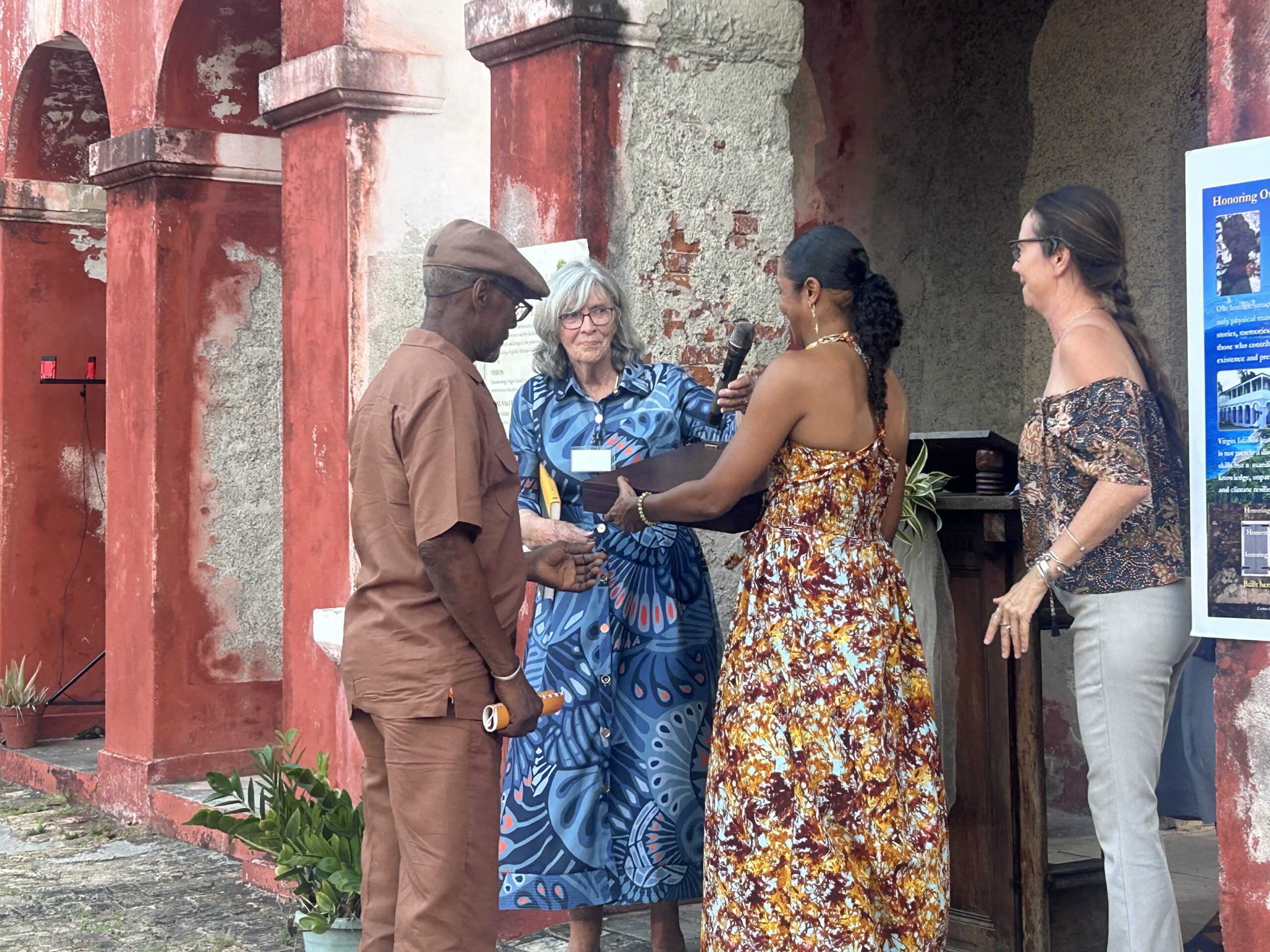
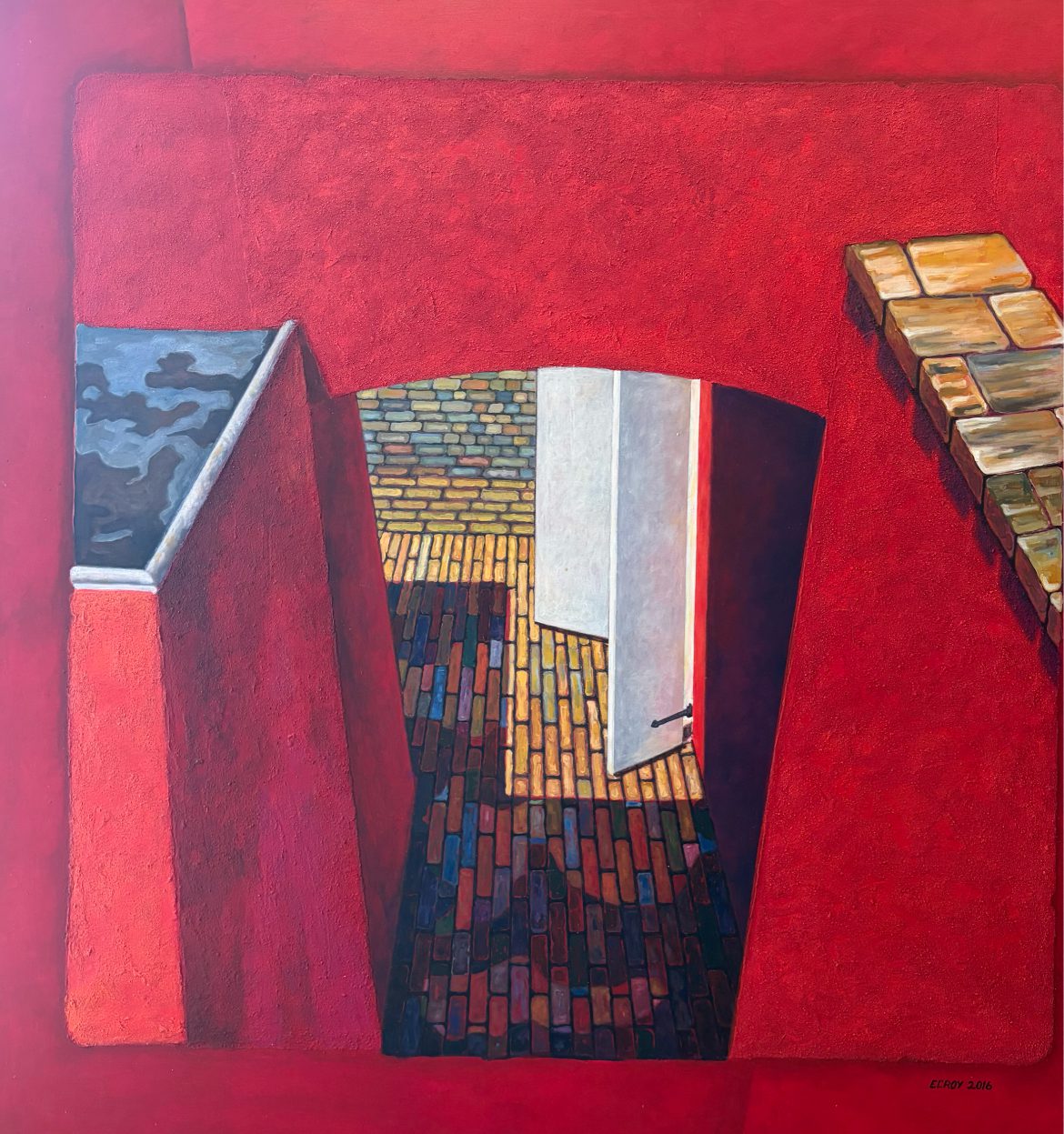
The exhibition honors Larsen, who died earlier this year, and his vision of transforming the Old Barracks property in Christiansted into a school focused on architecture, design, the building trades and historic preservation. It also celebrates the work of renowned St. Croix artist El’Roy Simmonds, known for paintings and murals depicting Virgin Islands life, culture and history.
Held in Fort Frederik’s central courtyard, the opening reception featured remarks from cultural leaders, museum officials and preservation advocates who reflected on Larsen’s influence and the role of art and architecture in preserving Virgin Islands identity.
Monica Marin, chief curator for the Division of Libraries, Archives and Museums, said the exhibition explores how art and architecture can challenge colonial narratives and reclaim Virgin Islands history.
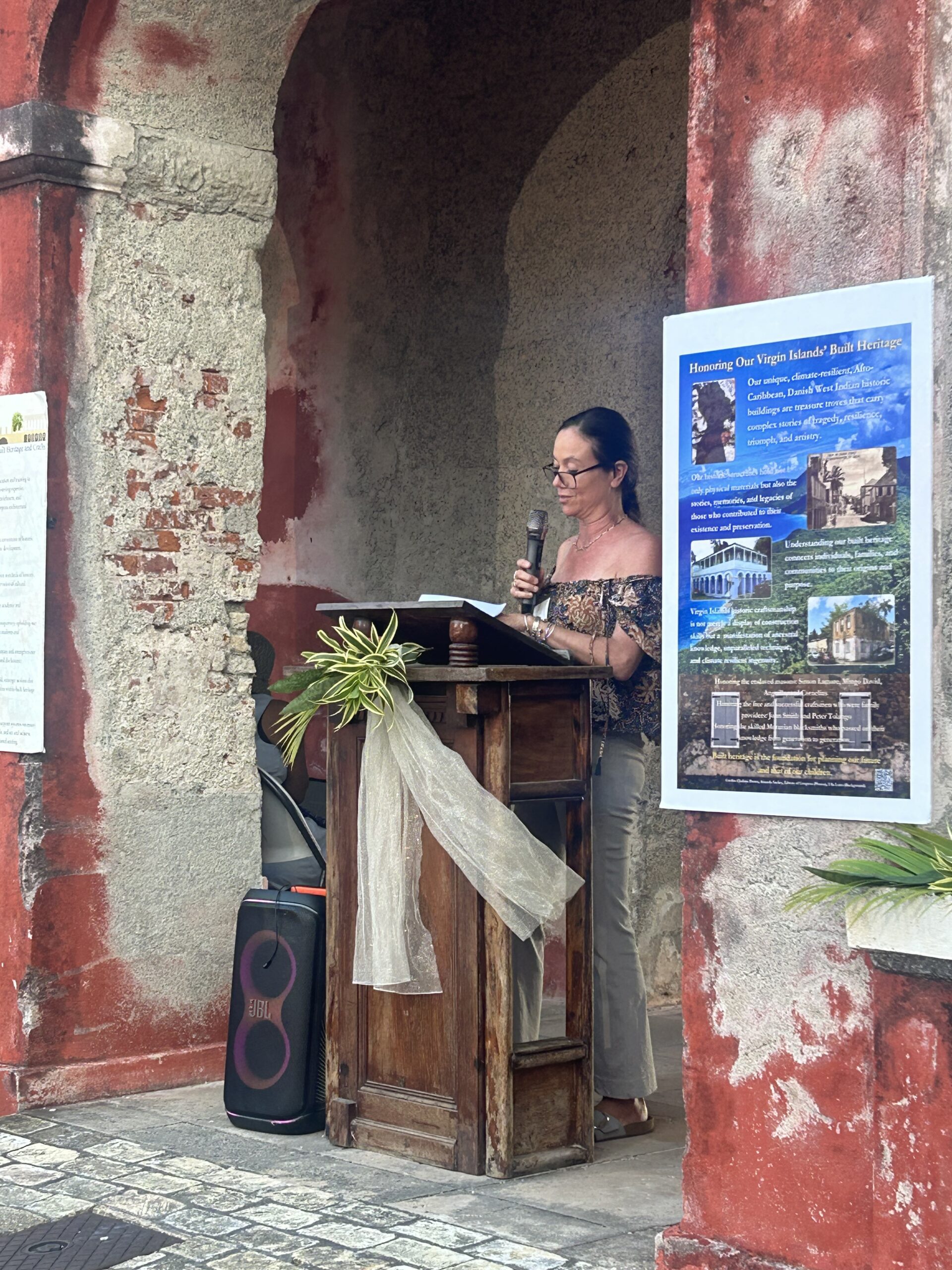
“The work of both Larsen and Simmonds serves as vital archives, calling attention to important histories and humanizing the people and places of historic significance to the Virgin Islands,” Marin said.
Addressing attendees, Marin described the territory’s towns as “repositories of knowledge and cultural memory,” noting that generations of social, political and economic history remain embedded in the islands’ built environment.
“From the architectural ruins of the colonial era to the vernacular wooden structures of the Free Gut and Savan neighborhoods, which proudly reflect resistance and reinvention post-emancipation, the built environment preserves the cultural identity of the Virgin Islands,” she said.
Marin credited Larsen’s work and advocacy with helping shift public understanding of Virgin Islands architecture by highlighting the contributions of Afro-Caribbean craftspeople who built many of the territory’s historic structures.
“His work illuminated the diverse African and creolized Caribbean legacies inherent within Virgin Islands architecture,” Marin said. “His work shines a light on the remarkable ingenuity of Virgin Islanders’ African forebears, who were more than an invisibilized workforce but were masterful artisans who produced dynamic culture that continues to shape our everyday lives.”
Amanda Sackey, operations and education director for the Virgin Islands Architecture Center for Built Heritage and Crafts, said preserving cultural heritage extends beyond protecting historic structures.
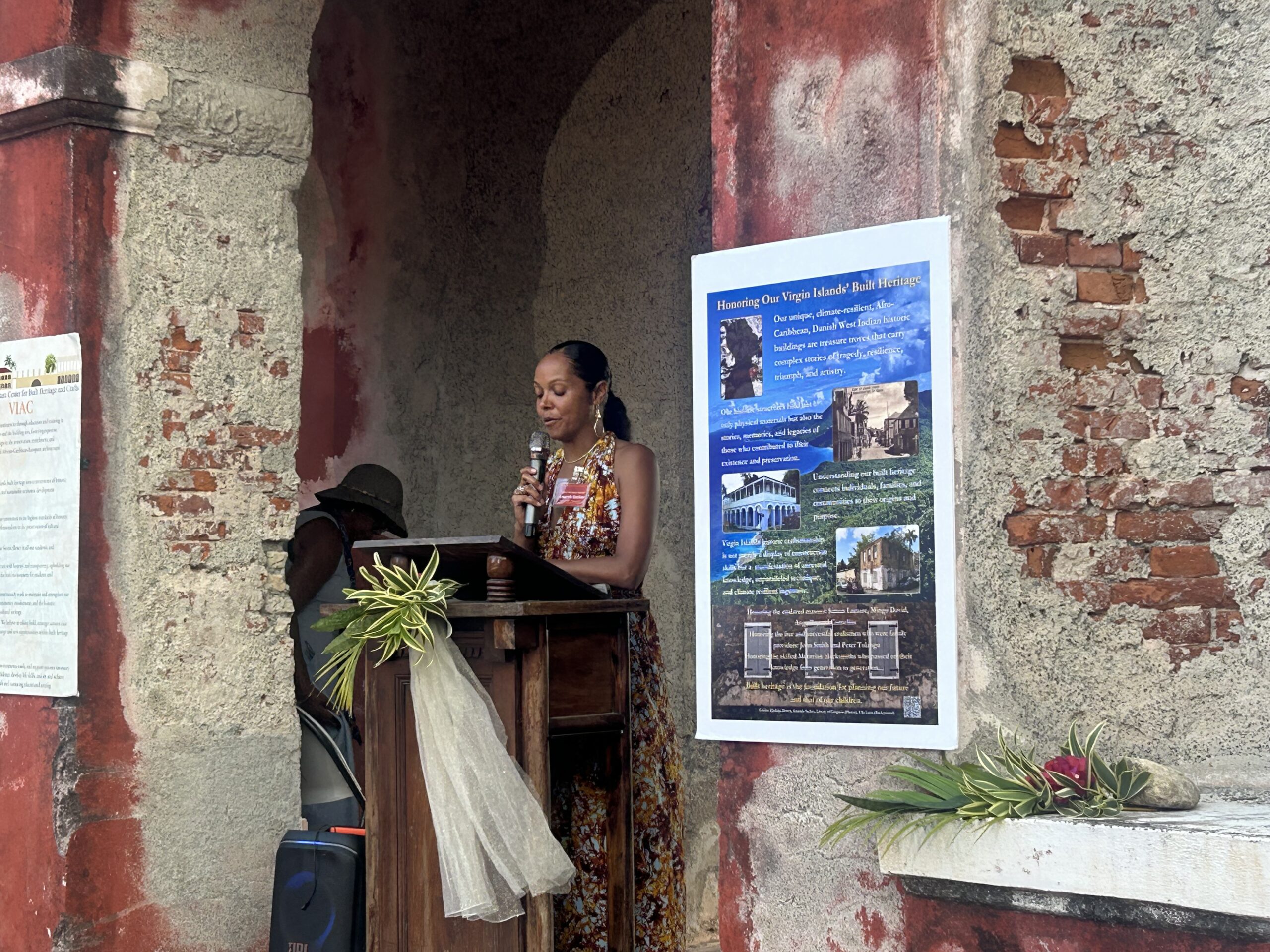
“At the Virgin Islands Architecture Center for Built Heritage and Crafts, we believe that cultural preservation is not simply about protecting old buildings or accepting incomplete narratives of our past,” Sackey said. “It is about creating opportunities for young people to see themselves as stewards, storytellers, designers, makers and future leaders of the Virgin Islands.”
Sackey said the organization’s mission is rooted in documenting, preserving and passing on both ancestral and contemporary knowledge.
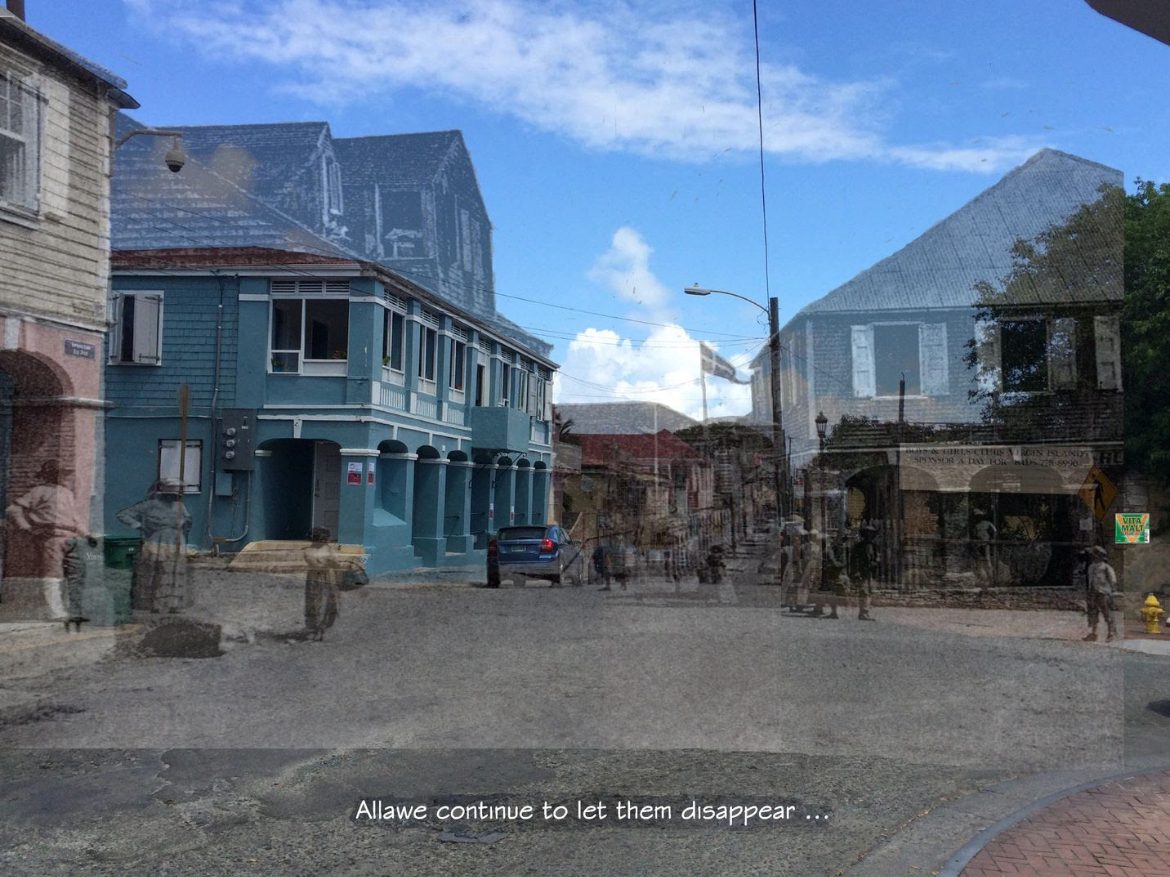
“Built heritage is more than materials,” she said. “It is memory, it is identity, it is story and perhaps most importantly it is a bridge between generations, one of the most powerful ways that knowledge is passed down.”
Marin also highlighted architectural features common throughout the Virgin Islands, including gingerbread fretwork, jalousie shutters, wrought-iron lattice screens, coral stone blocks, verandas and courtyards, describing them as living expressions of African diasporic identity and craftsmanship.
“These architectural elements serve as tangible reminders of a deep cultural inheritance,” she said, noting connections to West African iconography, Yoruba symbolism and African building traditions that continue to influence construction practices in the territory today.
According to organizers, the exhibition grew in part from concerns that historic buildings and the communities that shaped them are increasingly at risk.
Marin said the exhibit proposes that art can do more than document the past.
“Before it is lost, it can also educate and inspire people to preserve these Black Virgin Islands spaces as sacred sites of collective memory, belonging and future-building,” she said.
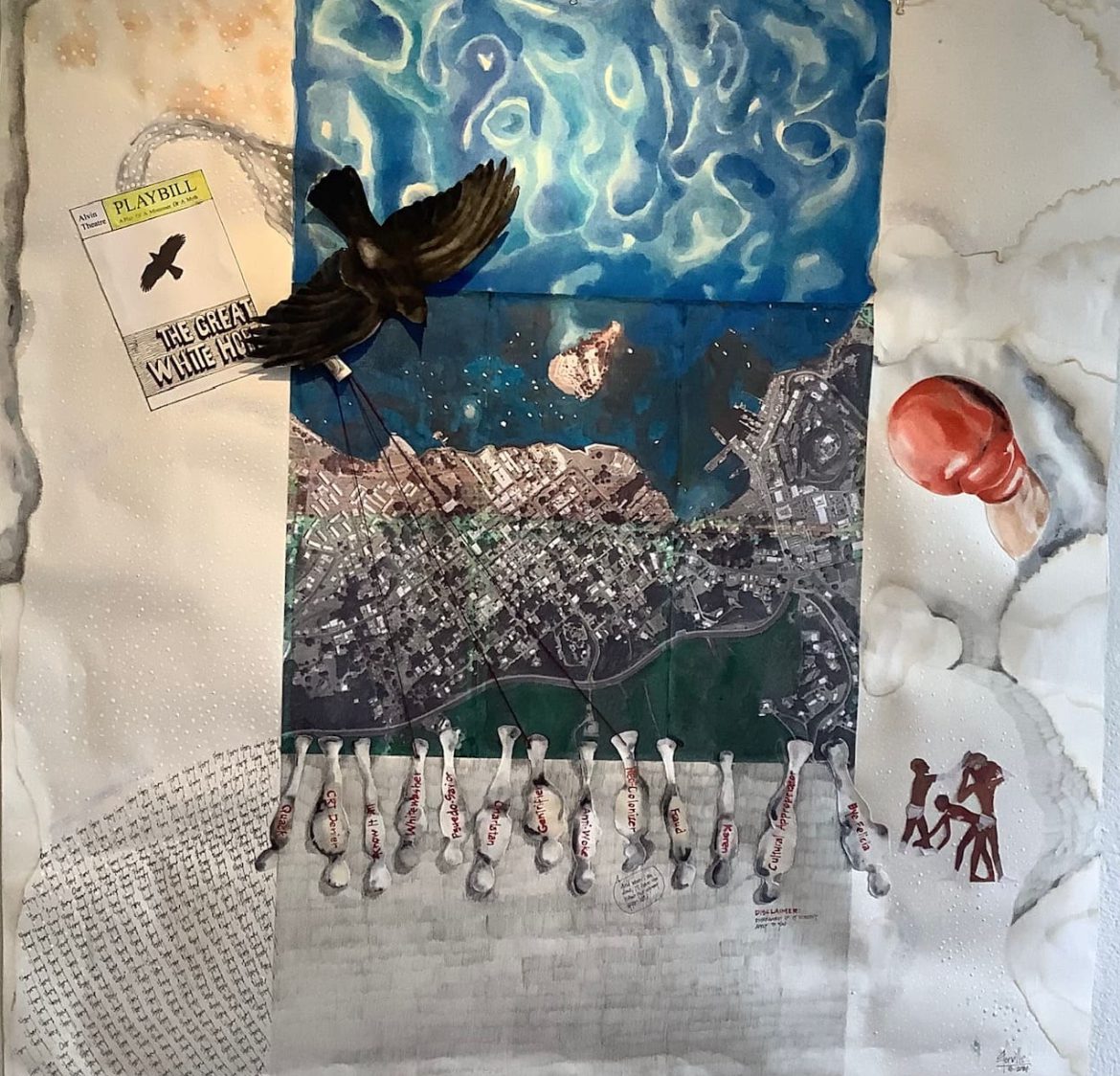
Artists participating in the exhibition were invited to create works in which the walls “answer” back, reflecting what Marin described as the “dialogic, improvisational genius inscribed in our built environment.” Organizers said they hope the exhibit will encourage conversations about cultural preservation, justice and self-determination.
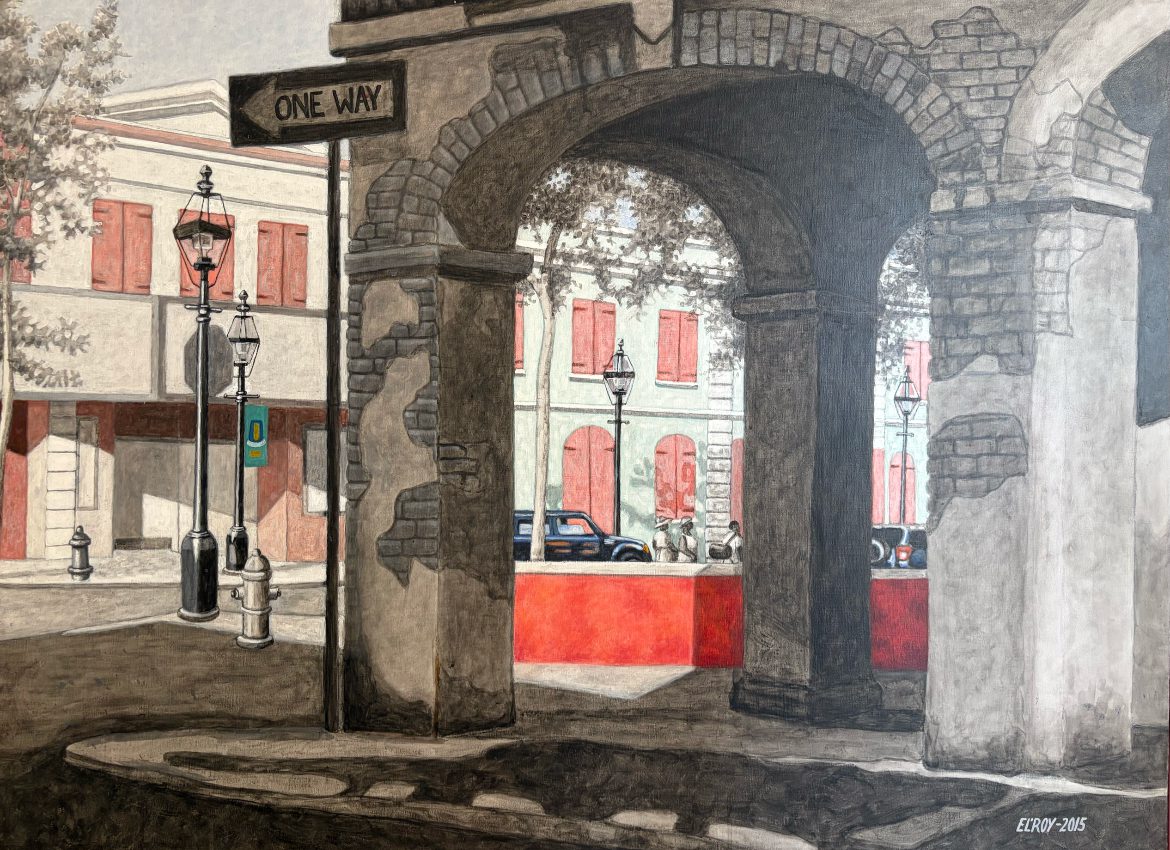
Featured artists include El’Roy Simmonds, Lloyd “Dove” Braffith, La Vaughn Belle, Elwin Joseph, Lucien Downes, Sy Sebastien, Regina Keels, Stephanie Chalana Brown, Janet Cook-Rutnik, Edney Freeman, Nathan Bishop, Luca Gasperi, Jaliyah Gunnell, George Graham, Nicole Canegata, Mike Walsh, Johanna Bermúdez-Ruiz, Vegan Ellis, Waldemar Brodhurst and student artists from VIAC’s VAST 2025 summer program.