The University of the Virgin Islands is expanding efforts to connect science with local communities through the STEM Ambassador Program, a partnership with the University of Utah and UVI’s Navigating Home program funded by the U.S. National Science Foundation, the university announced in a press release.
The STEM Ambassador Program, known as STEMAP, trains early-career scientists to develop community engagement projects centered on the needs, values and interests of the people they serve. The program promotes what organizers call conscious science communication, encouraging scientists to consider how, why and with whom they communicate scientific information, according to the press release.
According to program organizers, STEMAP moves away from traditional science outreach models by encouraging researchers to build relationships with communities before developing engagement activities. The goal is to help community members develop their own connections to scientific topics rather than simply receiving information from experts.
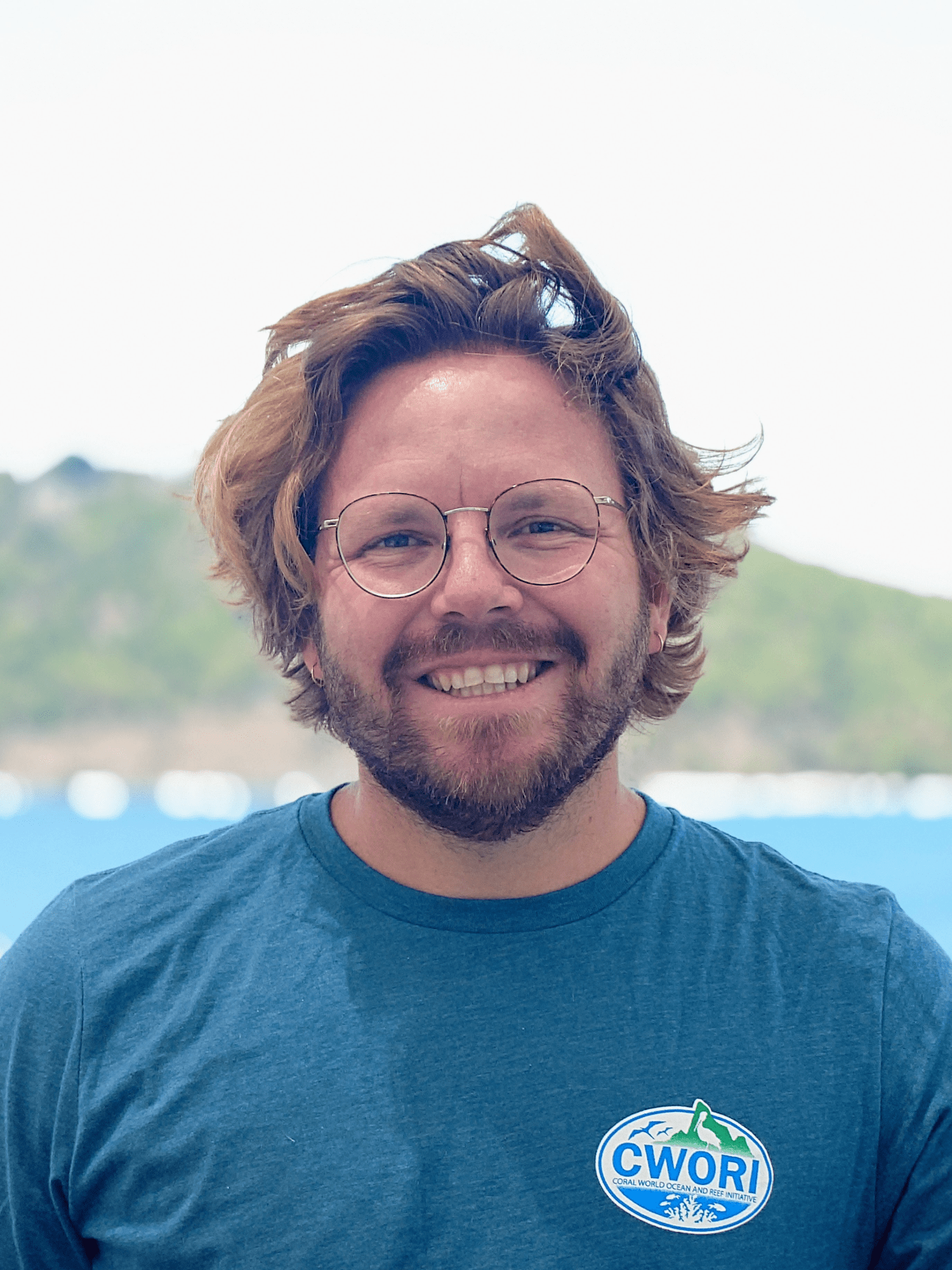
“Instead of going to a group and just talking at them, it encourages us to understand the group, integrate with them, and encourage independent learning without pushing our own narrative,” said Stephan Bitterwolf, a UVI Navigating Home Workforce Fellow whose STEMAP project focuses on sea urchin restoration in partnership with the Water Island Civic Association. “I’m passionate about restoring our degraded reefs, and this program is teaching me how to lend my expertise so community members can form their own bonds with these topics in ways they are most receptive to.”
Five U.S. Virgin Islands fellows are participating in the 2026 STEMAP cohort. Their projects focus on reef ecology, environmental education and marine science curriculum development across St. Thomas and the territory. As part of the four-month program, participants traveled to Puerto Rico on June 4 for in-person training with program facilitators and fellow participants from Puerto Rico, the press release stated.
Among them is Maura Richardson, a recent UVI graduate with a bachelor’s degree in marine biology. Richardson is working with the Virgin Islands Department of Education and science teachers at two St. Thomas public high schools to redesign Marine Biology and Environmental Science curricula with a stronger emphasis on hands-on learning and local environmental issues, the release stated.
“We were challenged to explain scientific concepts without relying on overly technical language,” Richardson said of a training exercise conducted during the Puerto Rico meeting. “It reinforced the importance of building connections between scientists and communities and ensuring that scientific knowledge can be understood and appreciated by everyone.”
Richardson said she views science as a way to connect people and encourage curiosity through locally relevant experiences.
Other fellows are applying the program’s principles in a variety of community settings. UVI Navigating Home Workforce Fellow Alanica Canonier is developing interactive reef science activities for summer camps and youth groups. Jan-Alexis Barry is working with beach resort employees to increase awareness of coral reef conservation among workers who often serve as visitors’ first point of contact. Helen Ratchford is partnering with the VI Children’s Museum to create hands-on science experiences for families, the release stated.
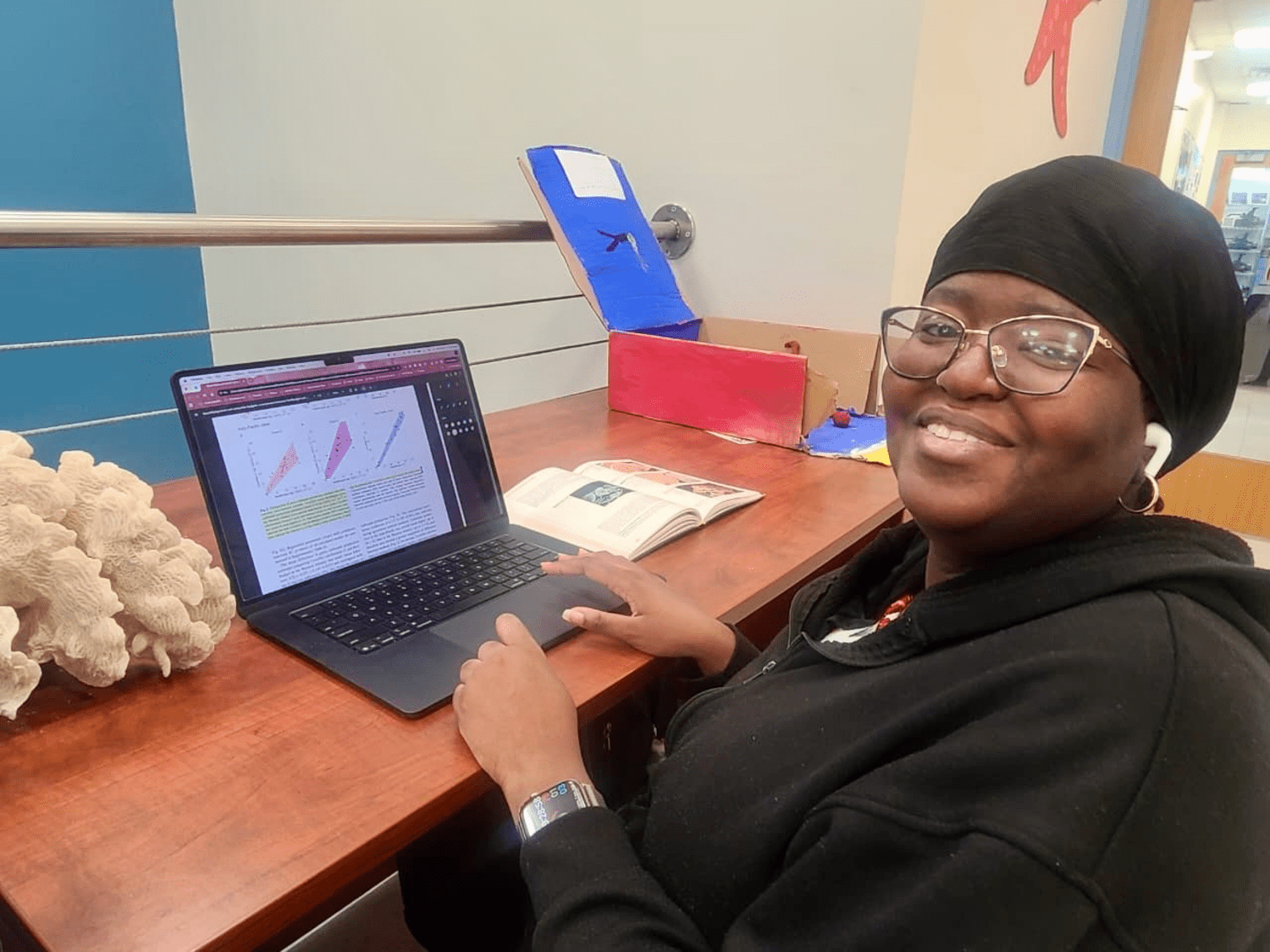
“Many of us call the Caribbean our home, and the reefs we have here are a part of what makes this place our home,” Barry said. “We should take care of them the same way.”
For Bitterwolf, the program’s value lies in helping bridge the gap between scientific research and public understanding.
“Our coral reefs are going through devastating changes that are often invisible to those who aren’t regularly engaging with them,” he said. “Science engagement matters because it bridges the gap between research and the community, empowering residents to be active stewards of their shores.”