

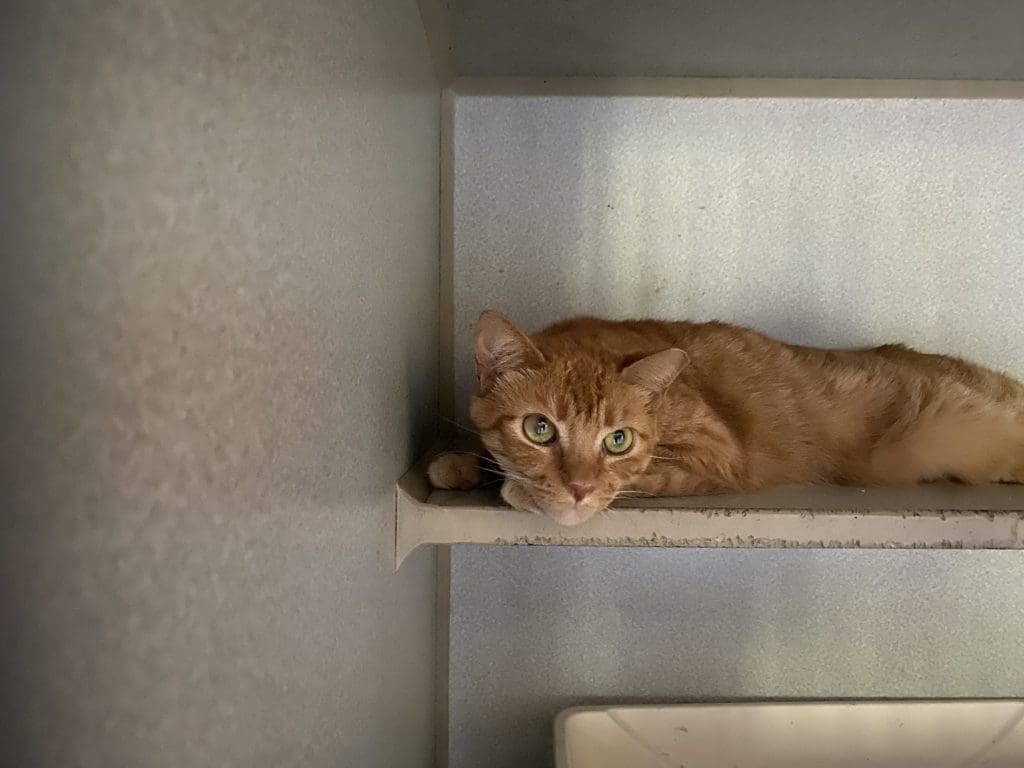
As the COVID-19 pandemic rages on, the Humane Society of St. Thomas and the St. Croix Animal Welfare Center continue working hard to mitigate the impact it is having on them and the animals in their care.
To date, both organizations have rallied and kept true crisis at bay. But their needs for sustained community assistance are magnified, since normally dependable off-island help has slowed and, at times, ceased. The paws and claws world of cats and dogs, and the shelters that care for them, are dependent on the community’s collective and persistent generosity.
The two nonprofits have unique needs in the areas of adoption, fostering, volunteering and donations, some now specifically related to the disruption of daily operations caused by the pandemic.
As they prepared for the worst in March – at the onset of the pandemic and with uncertainty looming on the horizon – both organizations disseminated press releases detailing the need for them to curtail their intake policies. The public was encouraged to support healthy-looking strays to the best of its ability, and to refrain from bringing them to the shelters unless the animals appeared distressed or in need of professional aid. The Welfare Center’s acting executive director, Jimmy Stewart, said intakes were down 30 percent from March to May. Subsequently, “intake numbers are inching up closer to normal rates for June and July, but still below normal for this time of year,” he said, a true positive for the center. On St. Thomas, the Humane Society’s director of operations, Amanda Kennedy, noted that intake and owner surrender rates increased over the same time period.
The Animal Welfare Center’s press release also highlighted the 50 percent reduction in adoption fees and the spay/neuter fee’s reduction to $20. The reductions have since expired, but the Welfare Center continues to be a low-cost operation, true to its mission as a nonprofit.
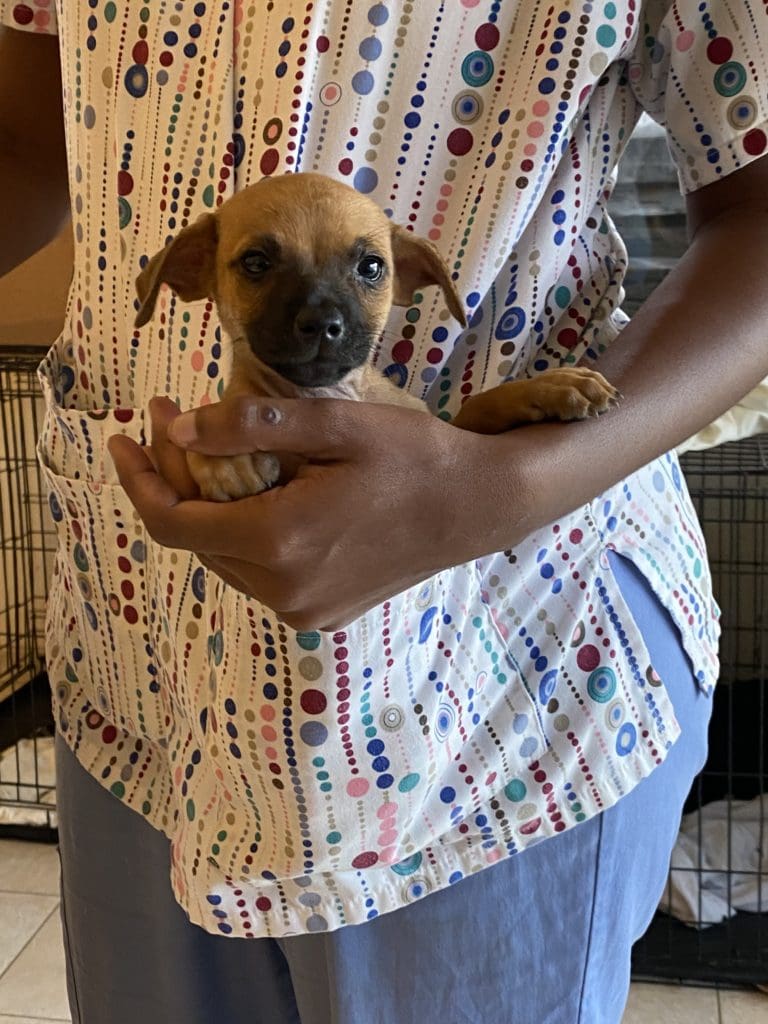
A positive pandemic phenomenon stateside has been the increase in animal adoption and fostering rates, as more people work from home and seek new companionship since routine socializing has been restricted by a periodic stay-at-home and social distancing policies.
On St. Croix, Stewart said, adoption rates are “above normal, much as what we’re seeing and hearing from stateside shelters.” Conversely, at the St. Thomas Humane Society, adoption rates have decreased. Thus, with an increased intake rate in recent months and a decreased adoption rate, the shelter is operating at almost three times its housing capacity of 120 animals. The shelter does not turn animals away, so it is “in dire need of assistance,” Kennedy said.
Fostering numbers have also increased on St. Croix, mirroring adoption rates, and volunteer numbers remain steady after a small bump early on. “We have had a strong foster program and we’ve gained a few new fosters since March. The numbers are up just a little; we’ve had a strong cadre of fosters for quite some time,” said Stewart.
Regarding volunteers, Stewart said, “When we adjusted our protocols around the facility in March, we told volunteers to stay home to reduce their exposure. Since we’ve opened back up a bit, our volunteers are once again back with us.” There can never be enough helping hands, he said, and “although we’ve done well during the pandemic, additional hands to help out are always welcomed.”
Stewart’s call to arms rings true for both shelters. A similar, positive trend has occurred on St. Thomas, with a slight uptick in fostering rates and volunteer requests since the start of the pandemic, confirmed Kennedy. She noted that dogs and cats are being fostered at equal rates. Volunteers are needed to socialize with the animals, clean cages, walk dogs, clean surgical pack equipment and do laundry. These efforts aid the staff and veterinarians.
One factor contributing to the shelters’ shifting operations is the disrupted airline industry. It has affected the Humane Society’s Pets with Wings program and the Welfare Center’s Paws from Paradise program. The cancellation of flights and revised cargo policies have limited the number of animals that leave the islands destined for partner rescue organizations stateside, “the second chance they need,” Kennedy said. She added some commercial airlines no longer allow dogs to be transported in their cargo holds, effectively shutting down a dependable channel that saves thousands of animals annually.
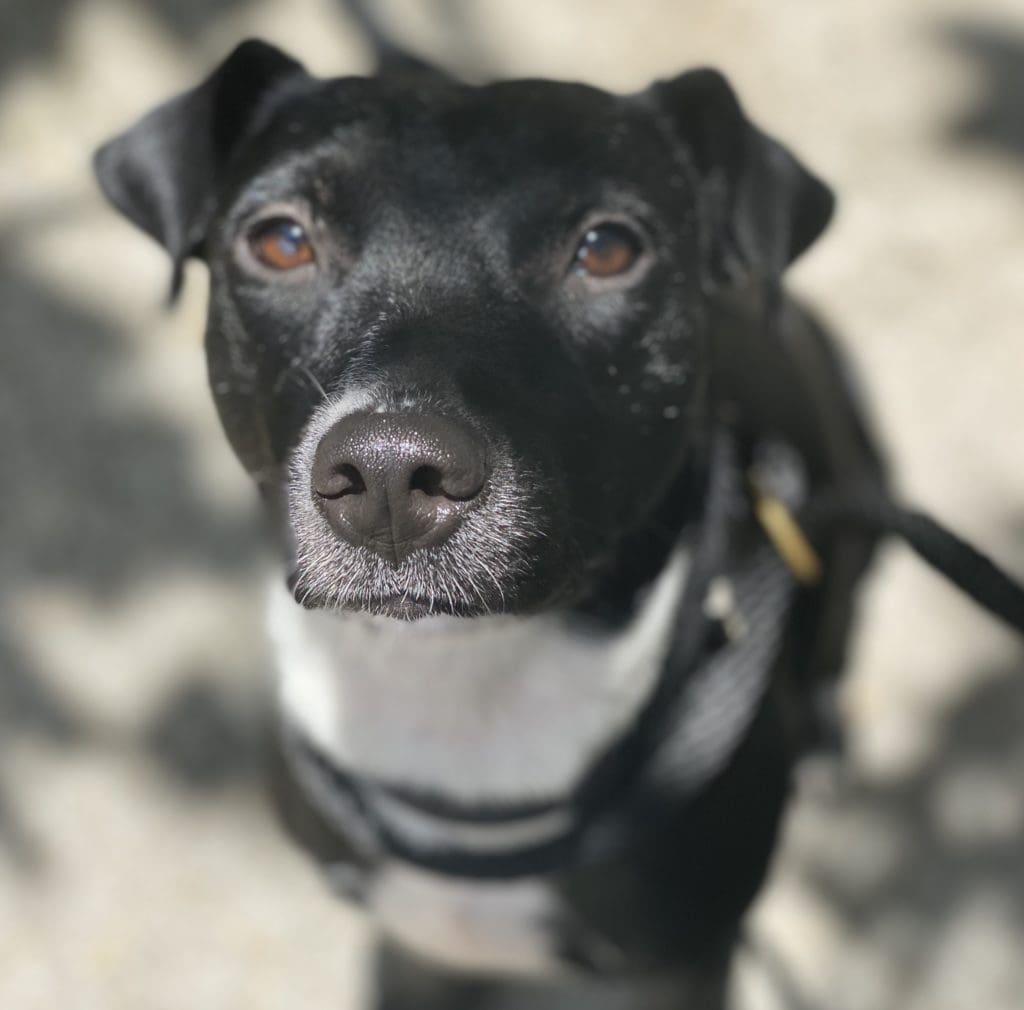
This means that many larger dogs – those too big to travel under a ticketed passenger’s seat – will remain on the island. Private flights that transport larger dogs have become increasingly expensive. The hit to tourism and second-home visitors has contributed to the downward trend in adoptions and animals leaving St. Thomas as well.
The organizations have had to address social distancing measures between staff and the public to maximize safety and minimize risk at their respective shelters. To stem foot traffic, the Welfare Center restricted the number of visitors allowed in the building and advised the public to set up appointments. At the onset of the pandemic, the schedule was revised, dividing the staff into “Team A” and “Team B,” who worked alternating halves of the week. The success of this measure allowed staff operations to return to normal in June.
“The staff responded very well to the adjustments and protocols. The deviations from normal operations took a little getting used to, but everyone caught on quickly. When we went to the ‘Team A’ and ‘Team B’ scheduling, the staff accepted the additional workload and handled daily operations in an exceptional manner,” Stewart said. Shelter personnel and the public have shown their adaptability and willingness to help in these troubled times, he added, all on behalf of the islands’ “community pets” (strays and owner-surrendered animals). The more the public gets involved, the less stress on shelter personnel.
Stewart said, “Due to the pandemic, many of our fundraisers have been canceled and as such, our donations are down quite significantly. Donations of any size are always welcomed.” He also highlighted the need for supplies to help daily operations. The Humane Society of St. Thomas faces a similar dilemma and the need for increased donations.
There are a number of ways to get involved and lend a hand, in both big and small ways. If you would like to donate or learn about opportunities to help, please contact the organizations via the below information. As the territory sees a resurgence in COVID-19 cases, further uncertainty looms for the Virgin Islands’ “community pets” and shelters.
Humane Society of St. Thomas
340-775-0599
St. Croix Animal Welfare Center
340-778-1650