

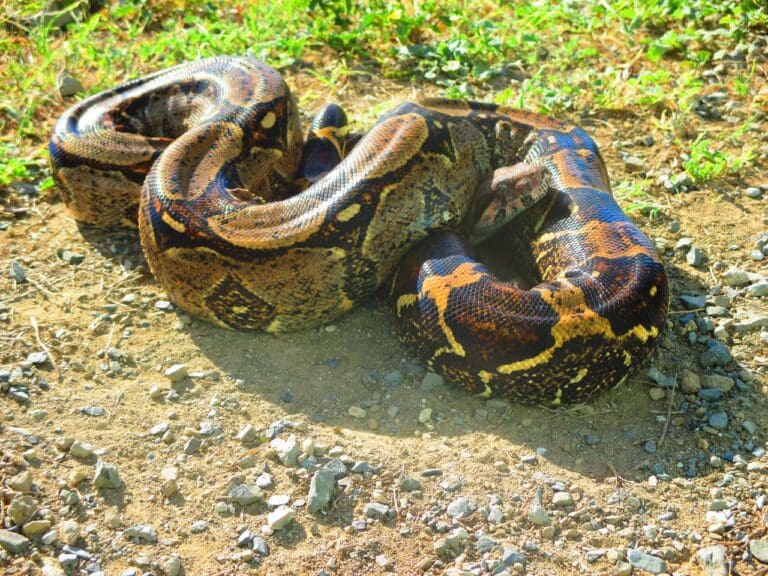
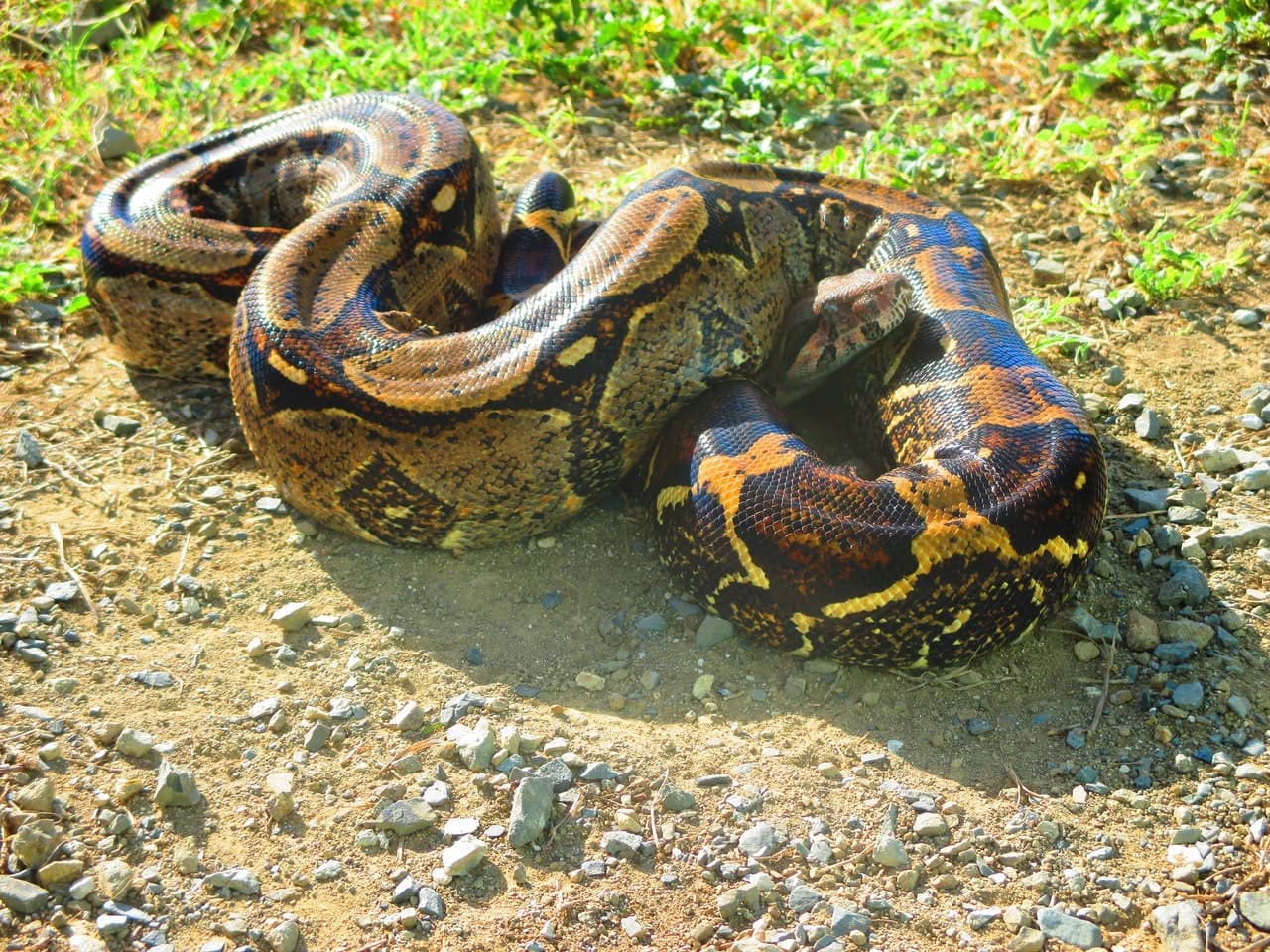
Before 2004, St. Croix was historically known as a snake-free island, but as of Monday, more than 1,500 reptiles — mostly red-tail boa constrictors — had been caught on the island.
William Coles, chief of Environmental Education for the V.I. Planning and Natural Resources Department’s Division of Fish and Wildlife, told the Source he has physically processed/euthanized 1,524 reptiles.
While most have been found on the northwestern side of the island, he has found more than 300 snakes in car engines. A snake found at Ha’Penny Beach last year was seen crawling out of a car — it had been given a ride from the West End.
Over the years, the number of invasive reptiles has only increased. Coles has decided that one way to eradicate them is to convert them into value-added products — snake oil, leather goods, and meat. If people make money by capturing reptiles, there will be an incentive to hunt them, Coles believes.
“We do that with everything else, so why not?” Coles asked.
There is already a market for snakeskin shoes, purses and oil. Some gourmet delis in the Western United States sell rattlesnake pate. According to Facebook, when Coles cooked snakes for guests, people returned for more.
Coles believes that with a marketing push, tanners will be interested in buying the beautiful red-tail boa snake skins and some food entrepreneur is likely to sell the meat and oil.
Coles has learned to process snakes to the specifications of the St. Croix abattoir and the USDA’s Food Animal Health Inspection Service for consumption, oil and tanned leather. He said he already has snakes skinned and canned meat available for consumption.
“Once we use the whole snake, we can make money on it and we can make it extinct,” he said.
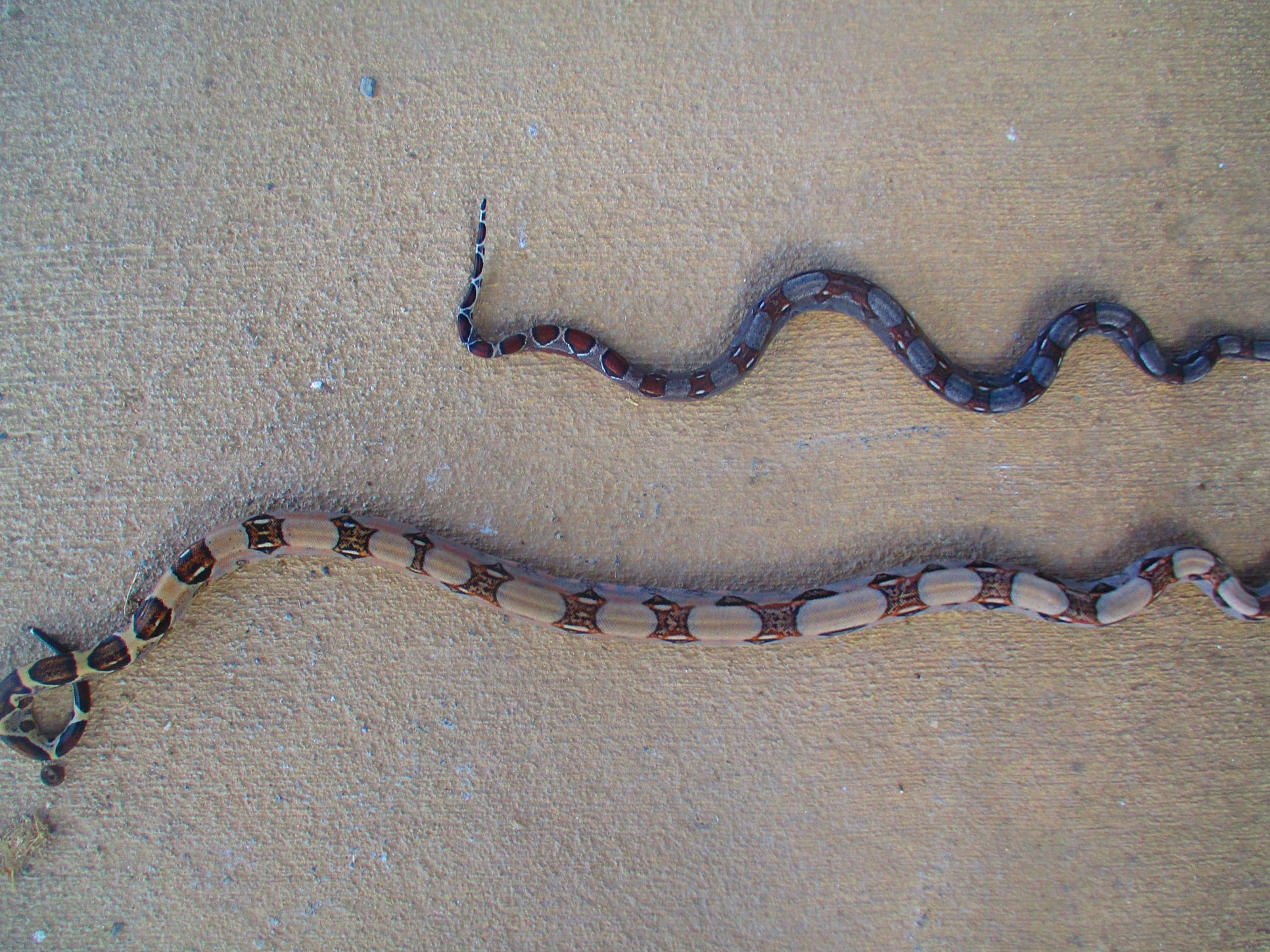
A bounty program began in 2021 with $10,000 allocated from the V.I. Legislature but was discontinued in 2024 when the department ran out of funding. Coles said that the people who were licensed to hunt snakes are likely to do it again.
Coles suspects the first snakes found on St. Croix around 2012 were released into the wild, perhaps when the owner moved off-island. The invasion was unleashed since they can reproduce without a mate and produce as many as 60 hatchlings.
Native to South America, the red-tail boa can grow to 10 feet, although Coles has recorded one 13-foot reptile. They are not venomous, but can deliver a painful bite. The snakes eat anything. Sheep, goats, pigs, dogs, cats, birds and bats have been found in red-tail stomachs, he added. Mongoose were thought to be predators, but the local mongoose is no match for a snake that drops down from a tree to take a mongoose.
Most of the reptiles are still found in the north and west areas of the island, although they have moved as far east as Estate Carlton.
Four other snakes found on St. Croix were ball pythons, black racers, rat snakes and corn snakes, found in shipping containers. They also are not venomous. None of those species has been seen lately, because shippers have changed their process for packing containers.
Coles only deals with snakes after hours because he is in charge of youth soccer during the work day. He said people can check Facebook for more information and call the St. Croix Snakes’ number at 340-643-3626.
“Call us and we’ll come get it,” Coles said, adding he has been called at 2 a.m. in the past.


 It is with deep sorrow and love that we announce the passing of Lucias Geddian Thomas, who departed this life on April 5, 2025, just days before his 90th birthday. Born on April 14, 1935, in St. Vincent and the Grenadines, Lucias lived a life full of dignity, strength, and unwavering love for his family.








 Charles was preceded in death by his devoted parents, Charles Leon Wheatley Sr. and Florecia Emelda Wheatley; his brother Roy “De Eye” Wheatley; his nephew Ajani L. Wheatley; and his niece Katarina E. DeVaux.