

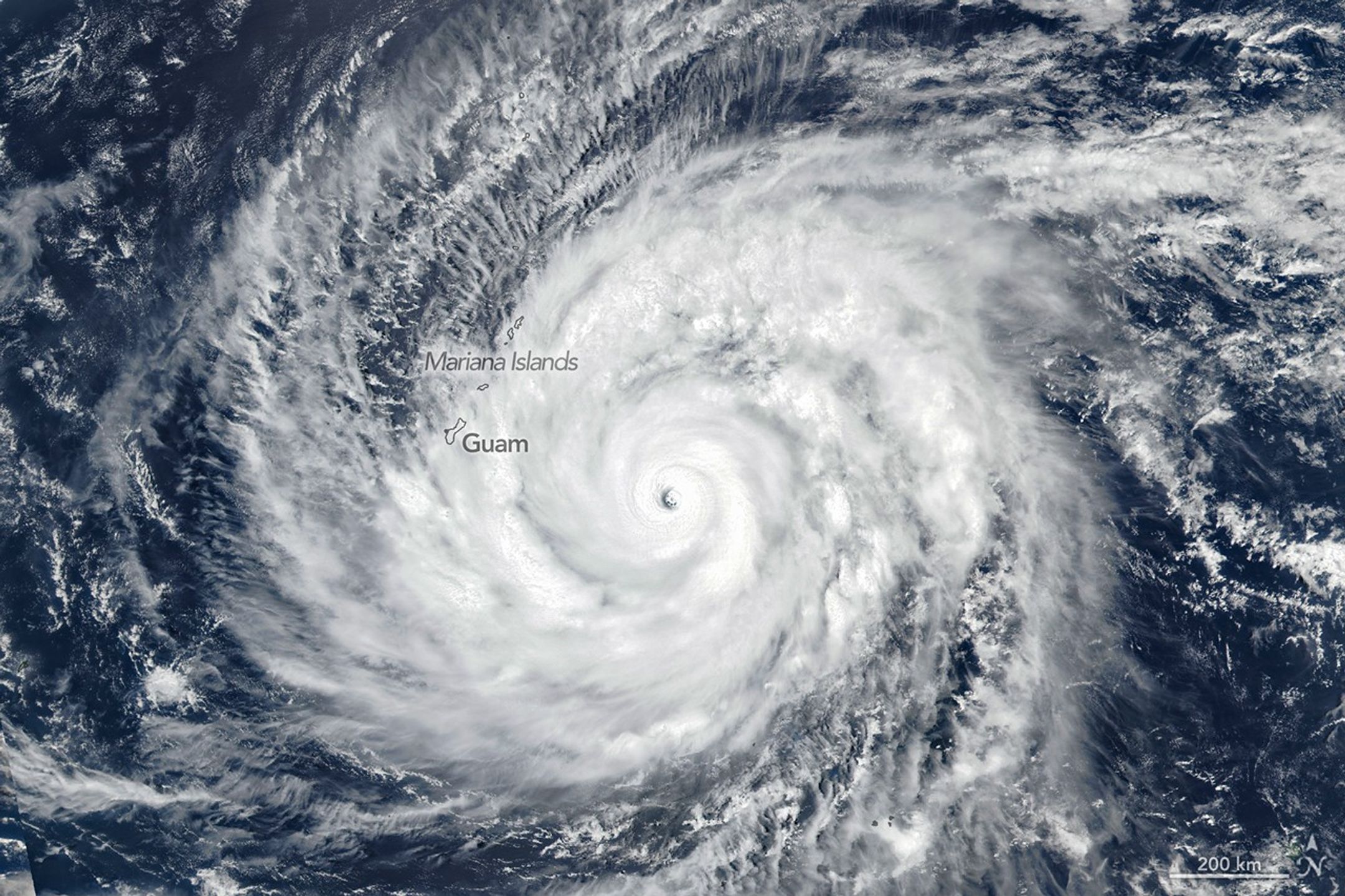
Super Typhoon Sinlaku has left areas of Guam and the Commonwealth of the Northern Mariana Islands in the Pacific with major damage and a long recovery. The CNMI’s main islands of Saipan and Tinian took a direct hit from Sinlaku, underscoring the unique disaster-response challenges facing U.S. territories.
Like the U.S. Virgin Islands and Puerto Rico, Guam and the CNMI are U.S. territories where geography can complicate disaster response and recovery, putting Sinlaku’s aftermath into a familiar island context for readers here in the Virgin Islands.
Storm Was Slow, Powerful, and Destructive
A typhoon and a hurricane are the same type of weather phenomenon, and the difference in the names is due to the location on the planet where the cyclone occurs.
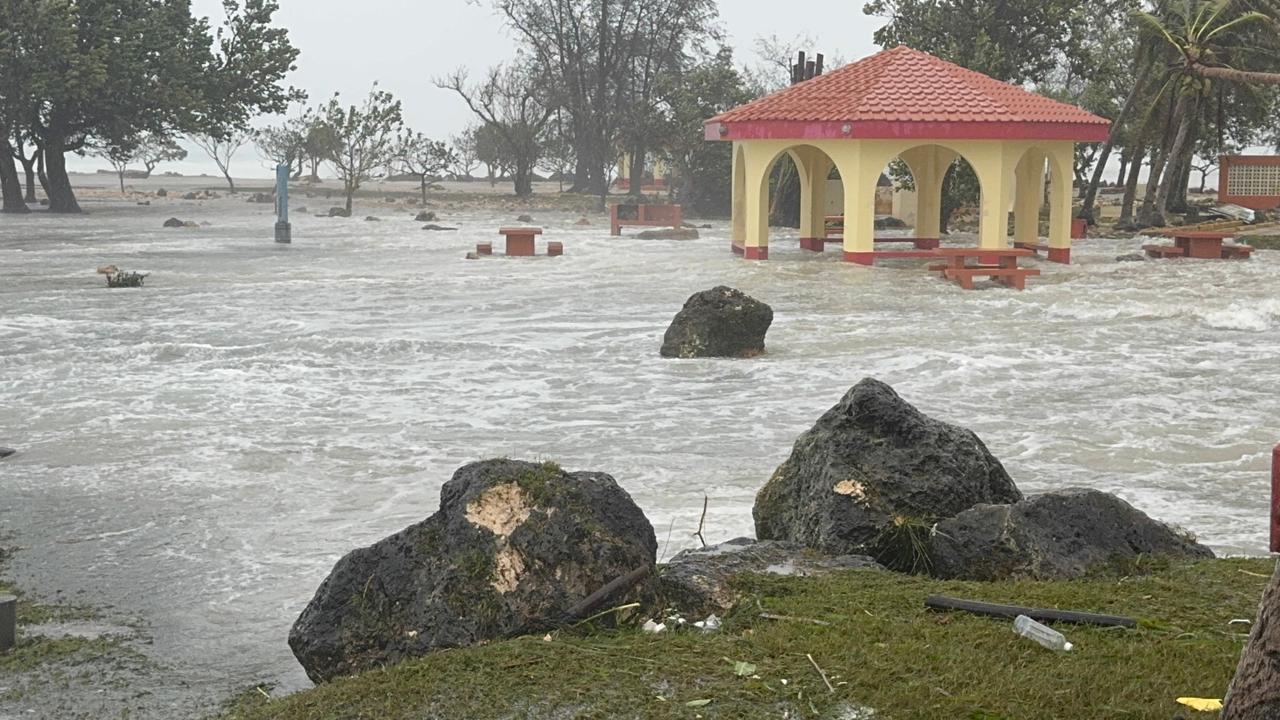
“Hurricanes and typhoons are the same weather phenomenon: tropical cyclones. A tropical cyclone is a generic term used by meteorologists to describe a rotating, organized system of clouds and thunderstorms that originates over tropical or subtropical waters and has closed, low-level circulation,” according to the National Oceanic and Atmospheric Administration. A “super typhoon” is equivalent in strength to a Category 4 or 5 hurricane on the Saffir-Simpson Hurricane Wind Scale.
The Source spoke with Marcus Landon Aydlett, warning coordination meteorologist at the National Weather Service office in Guam, who said the storm’s aftermath reflects the logistical realities island territories often face after major disasters. The Guam office covers Guam and the Northern Mariana Islands, including Saipan and Tinian.
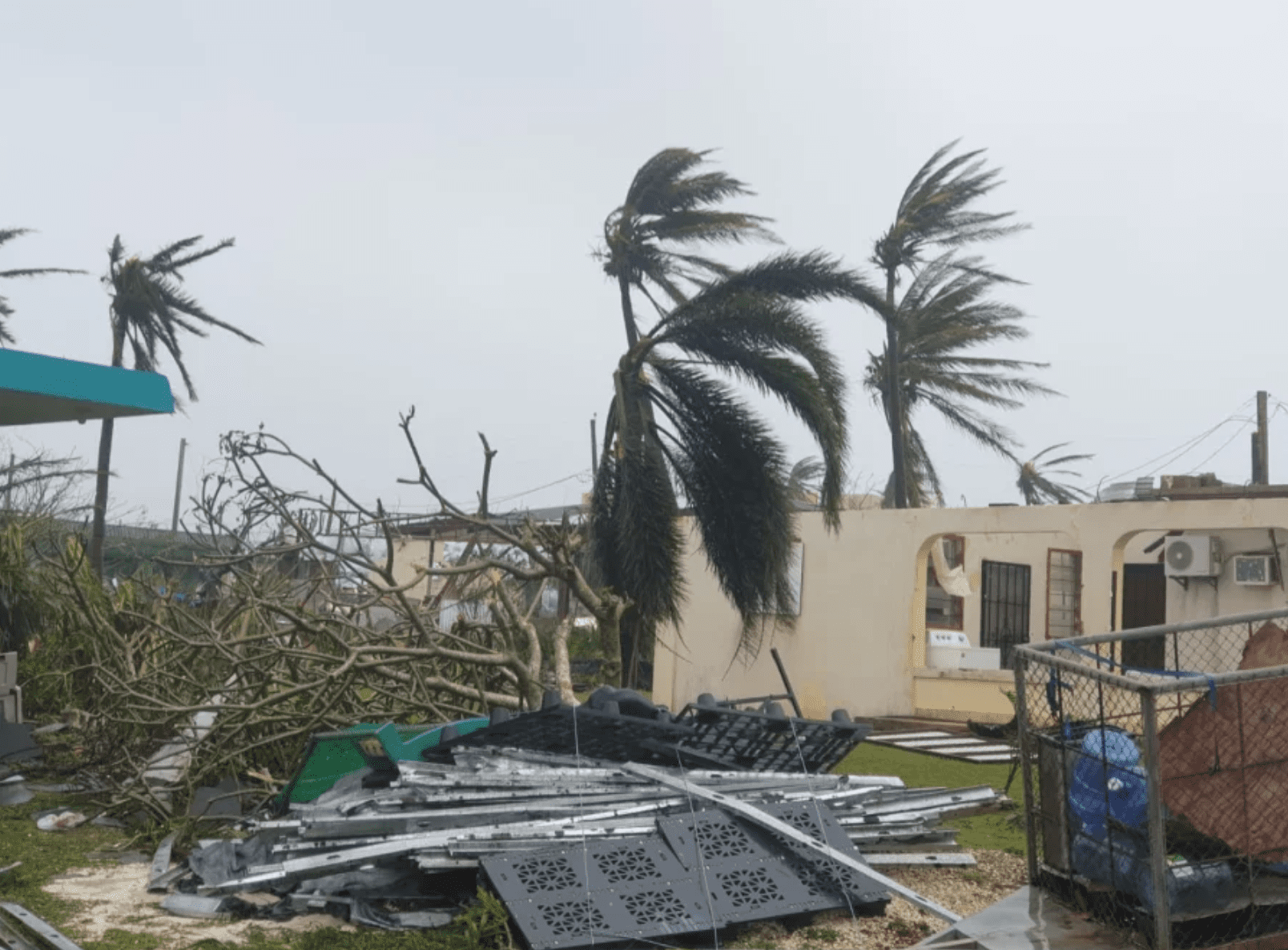
In a video interview with the Source, Aydlett, speaking from Guam and still without power as of Sunday, said that Super Typhoon Sinlaku’s slow movement made an already dangerous storm even more destructive.
“It’s bad enough having a super typhoon, but this storm was moving three to five miles per hour,” Aydlett explained. “Most people can outrun that speed, and that’s how slowly the system was moving over the islands of the CNMI, prolonging typhoon force winds for over 24 hours. The islands of the CNMI had tropical storm force conditions for over three days, and that compounded the impacts and extended the duration of those incredible conditions, resulting in catastrophic damage,” he said.
Aydlett said Guam avoided the worst of the structural damage, though it still dealt with widespread disruptions, including outages. In the CNMI, however, Aydlett said the damage was extreme.
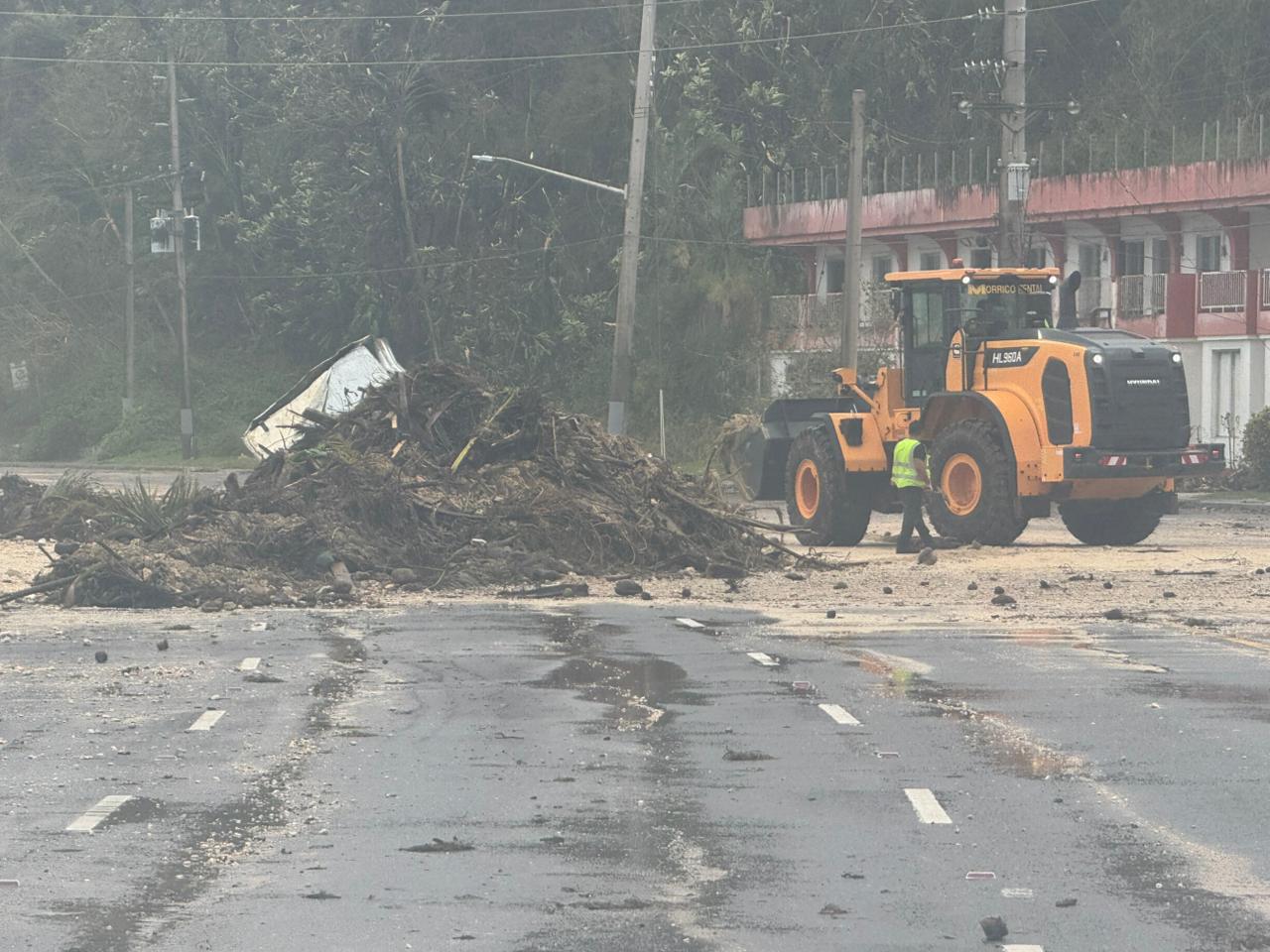
“As far as damage in Saipan in the CNMI, it’s total devastation, and this is a repeat of seven and a half years ago when Super Typhoon Yutu affected the area. There are no leaves on the trees, and many trees are down,” stated Aydlett. “Most structures that were not reinforced concrete don’t exist anymore, so a lot of things were significantly impacted. It’s going to be a long road to recovery.”
“Fortunately, I’ve been told there have been no casualties, no injuries, and no fatalities, which is, to me, a mission accomplished, because at the Weather Service, our top priority is to protect life and property,” he noted.
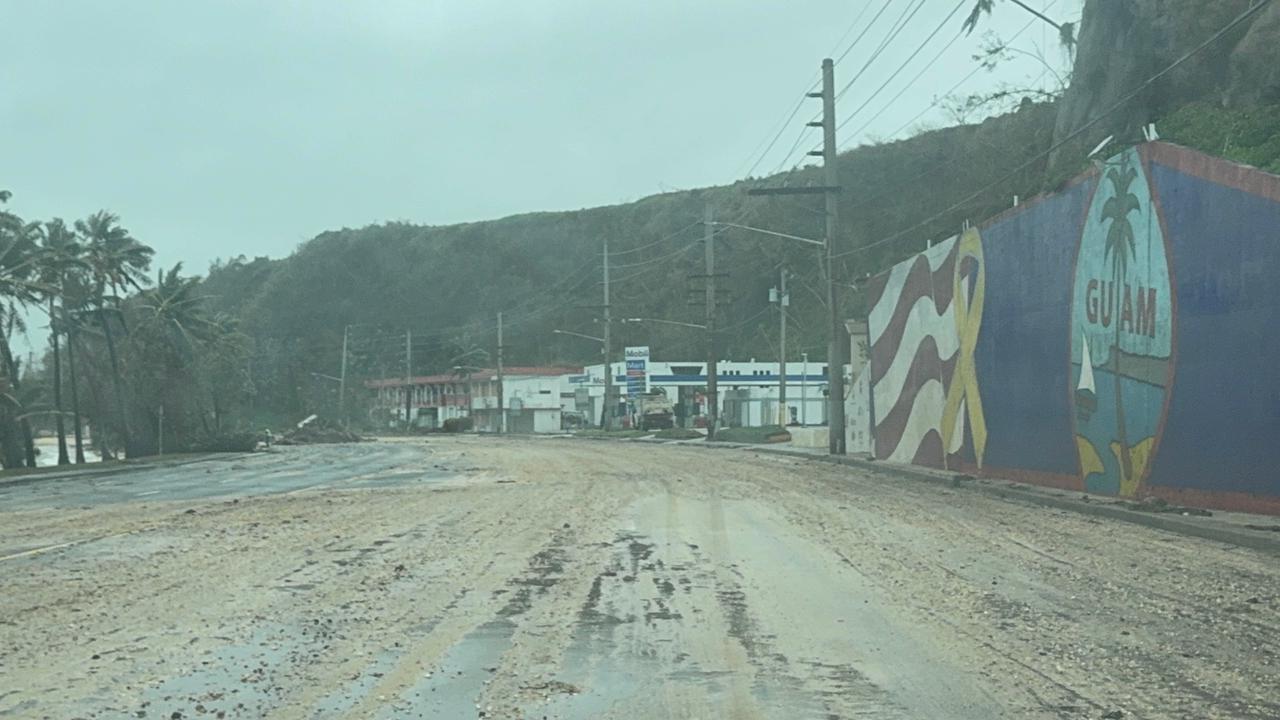
Still, Aydlett confirmed that, sadly, casualties have been reported on other islands affected by the storm, including Micronesia. He said a U.S. Coast Guard flyover showed just how dramatically the landscape had changed after the storm.
“The Coast Guard brought me up onto a C-130 aircraft, and we did a flyover immediately as the thing was starting to pull away,” Aydlett stated. “It was a severely turbulent flight, but we saw a bird’s-eye view of Tinian and Saipan, and there’s no green vegetation; it’s all brown,” he said. “What used to be thick, lush greens over in the villages and the city area – it’s all gone. It’s all brown with only structures remaining. It’s going to be a tremendous loss for the island’s vitality, but also for the tourism, at least in the short term.”
A Familiar Territorial Reality
Aydlett said one of the biggest realities for Guam and the CNMI is that major recovery resources cannot simply be driven in from a neighboring state. For island territories, crews, supplies, and outside help often have to be flown in, which can slow everything down. That is a reality many Virgin Islanders know well.
“The recovery process, much like the Virgin Islands, is going to be very slow and methodical, because you are unable to immediately obtain supplies and hundreds of personnel coming into the weather-torn area. You have to fly everything into the islands, and so we lean very forward in our weather communications and our preparedness and posturing so that FEMA, Red Cross, and other entities can start deploying people and personnel over here.”
He added that emergency and relief personnel were already arriving into the region even before the storm had fully passed.
There are also structural and governmental challenges U.S. territories face before and after disasters, and Aydlett’s message was clear: for island territories, recovery is rarely fast, even when help is already on the way.
A Message for Other U.S. Territories
Asked what people in other territories, including the U.S. Virgin Islands, should take away from Sinlaku, Aydlett pointed first to disaster preparedness.
“Maximize your preparedness,” he advised. “I can’t stress this enough, because when it comes to disasters here in the islands and the territories, whether it’s in the Pacific or the Atlantic, it takes time to get assets and resources over here. Even though people may be pre-deployed to an island, if a disaster strikes the entire island, their response is going to be needed everywhere, and they can’t get to everybody all at once. Therefore, you have to be able to fend for yourself for at least several days. That includes having water, food, cash, batteries, candles, and anything to survive for at least three to five days before help can start trickling into the villages.”
How People Can Help
Aydlett said the Red Cross is one of the best ways people can support Guam and the CNMI. The American Red Cross Pacific Islands Region includes Guam and the Northern Mariana Islands.
“The Red Cross is an option for people to donate to, and we have Red Cross all over the islands here from the Hawaiian Islands to the Micronesia area,” Aydlett said. “They have boots on the ground, and they’re always a standard source for help and assistance to the people.”
He also recommended Be Heartfelt, which identifies itself on its website as a 501(c)(3) nonprofit charity serving kids and youth locally and globally and lists Guam among its mission locations.
“Another opportunity to look into is the Be Heartfelt organization. This is a nonprofit that’s based out of Kansas, and the president is from Guam,” Aydlett explained. “I personally have partnered with that charity for about three years, running the island’s largest food drive, and they just started spinning up disaster operations for Saipan and Tinian specifically. This is all volunteer-led, so all the money, all the donations go straight to the people who need it,” he continued.
Aydlett added that the group is working to get food items and meal packs directly to families in the hardest-hit areas.
Additionally, readers can visit the official website of the Commonwealth of the Northern Mariana Islands government for more information on ways to help.
A Reminder for the Atlantic Basin
For readers in the U.S. Virgin Islands and across the Caribbean, Sinlaku’s aftermath is also a reminder that island communities can face long recoveries even when forecasts are strong and help is already on the way. With the 2026 Atlantic hurricane season officially beginning June 1 and running through Nov. 30, the storm is a timely reminder to review emergency plans, check supplies, and be prepared before the next threat develops.
The local weather forecast for the U.S. Virgin Islands is regularly updated on the Source Weather Page. Individuals can also find helpful weather information, emergency preparedness, and alerts from the Virgin Islands Territorial Emergency Management Agency.