

A Dengue Hotline has been launched by the V.I. Health Department’s Epidemiology Division to offer residents information on protecting themselves and preventing the transmission of dengue, as cases continue to rise throughout the territory.
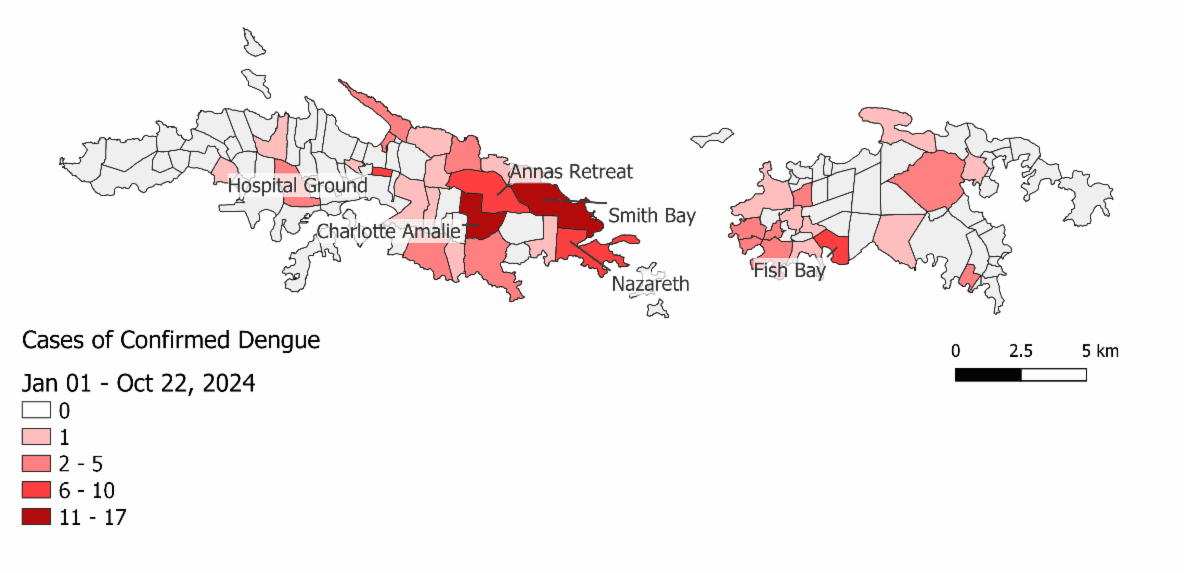
The hotline numbers are 340-725-5389 and 340-774-7477 ext. 5647, available Monday to Friday, 8 a.m. to 5 p.m. Residents in hotspot zones on St. Thomas (Smith Bay, Charlotte Amalie, Anna’s Retreat, Nazareth, Hospital Ground) and St. John (Fish Bay) can also call to request mosquito control outside their homes. These efforts will continue through Nov. 8, according to the press release.
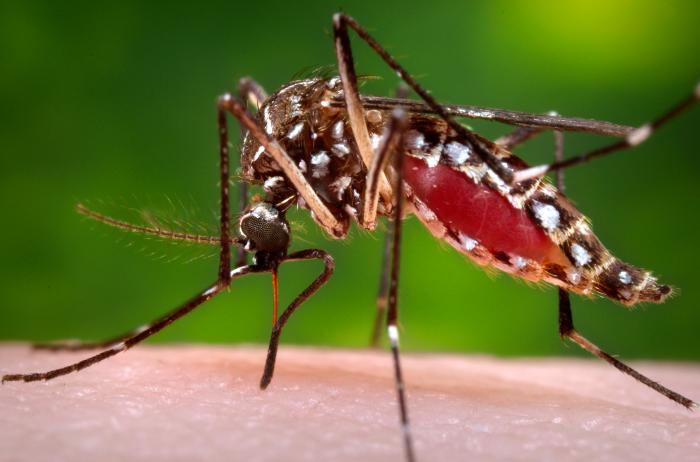
The territory is currently facing a dengue outbreak. The Aedes aegypti mosquito, which carries the dengue virus, is thriving in the rainy season, making public awareness essential, according to the press release.
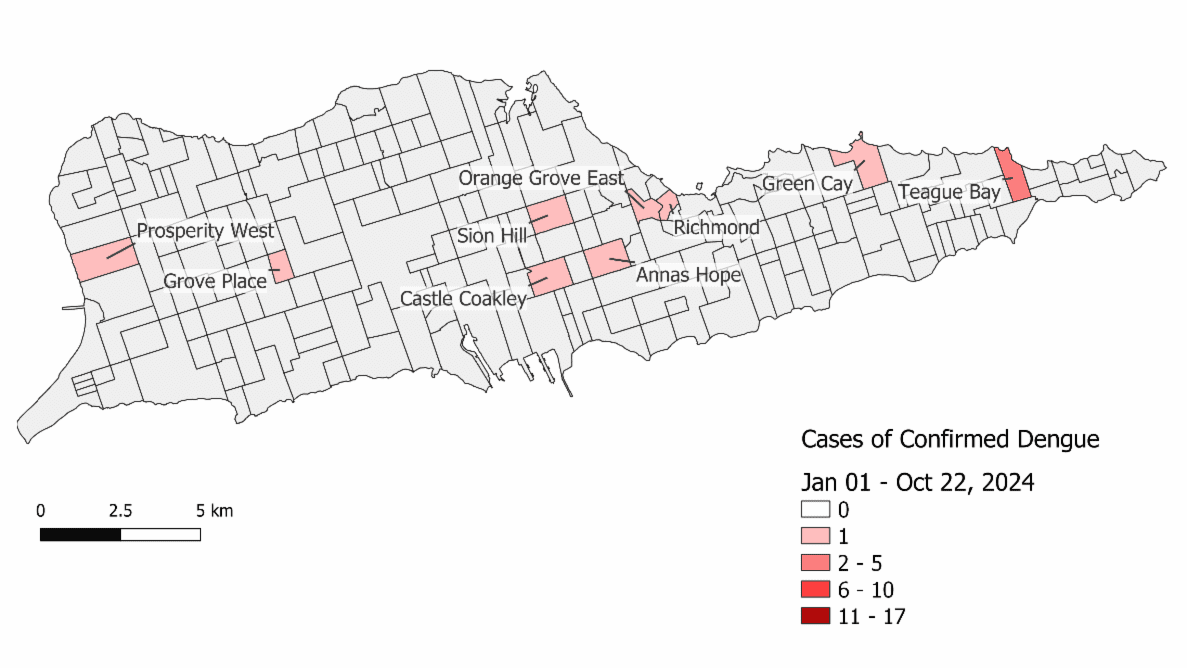
As of Friday, Oct. 25, there were 150 reported cases of dengue across the territory: 102 on St. Thomas, 37 on St. John, and 11 on St. Croix, though additional cases may be unreported, according to Dr. Esther Ellis, Territorial Epidemiologist.
“We are very concerned by the rising cases,” said Ellis. “Our goal with the hotline is to empower residents with knowledge to protect themselves and prevent dengue transmission. We also provide information on hotspot areas, symptoms, and testing.”
V.I. Health Department Commissioner Justa Encarnacion urges the public to stay vigilant and take precautions to avoid mosquito bites.
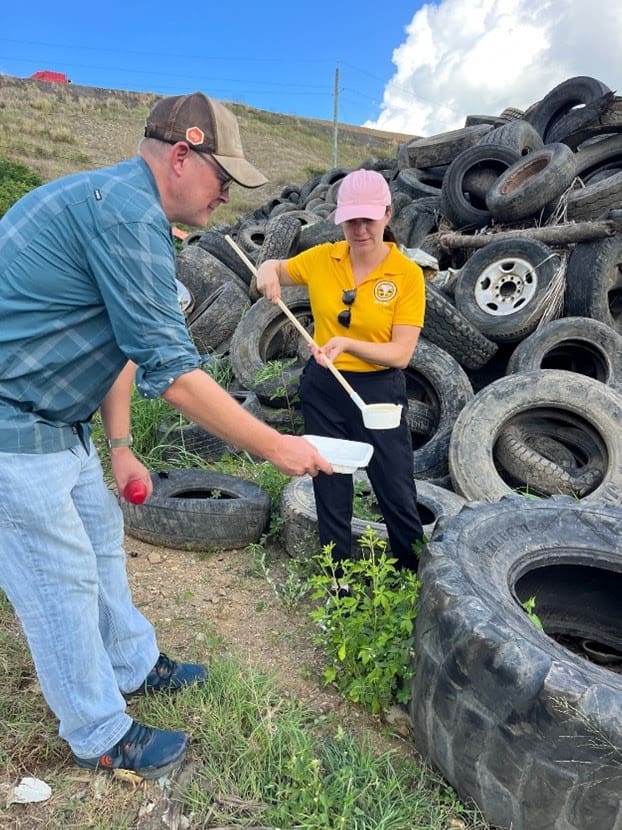
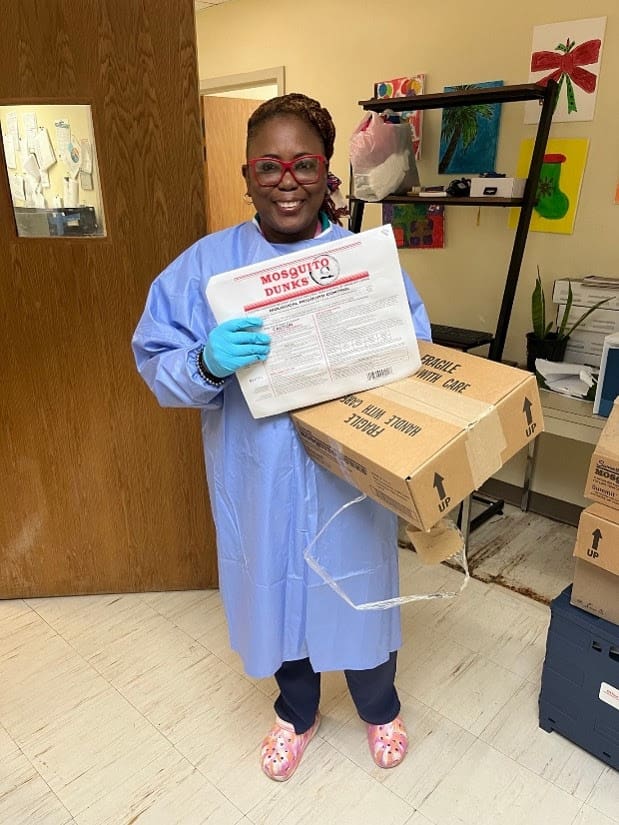
The hotline’s establishment is part of the division’s broader outreach efforts, which began last week. In collaboration with the CDC’s Dengue Branch and the Puerto Rico Vector Control Unit—where a dengue state of emergency is currently in effect—the Virgin Islands Health Department has mobilized teams in the St. Thomas-St. John district. These teams are inspecting residential areas, applying larvicides, and educating residents on how to prevent mosquito bites and control breeding sites, the press release stated.
Dengue symptoms can vary in severity, from mild to potentially life-threatening, especially for infants, pregnant women, and individuals with previous infections. Common symptoms include fever, pain behind the eyes, muscle or joint pain, nausea, vomiting, and a rash. These symptoms typically last between two to seven days. It is recommended to rest and take acetaminophen for fever relief, while aspirin and ibuprofen should be avoided, the release stated.
If you experience dengue symptoms, consult your primary care doctor and get tested, it said.
Severe dengue can develop 24 to 48 hours after the fever subsides. It is characterized by intense abdominal pain, vomiting, bleeding, or extreme fatigue. Emergency medical attention is necessary for these symptoms, according to the release.
To avoid mosquito bites, use EPA-approved insect repellent, wear long sleeves and pants, and eliminate standing water around your home, it said.
For current data on dengue cases, visit doh.vi.gov and click on the “USVI Epidemiology Data Dashboard.”
For more on dengue prevention and treatment, visit [Dengue | CDC](https://www.cdc.gov/