Home Blog Page 639

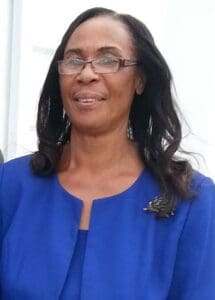
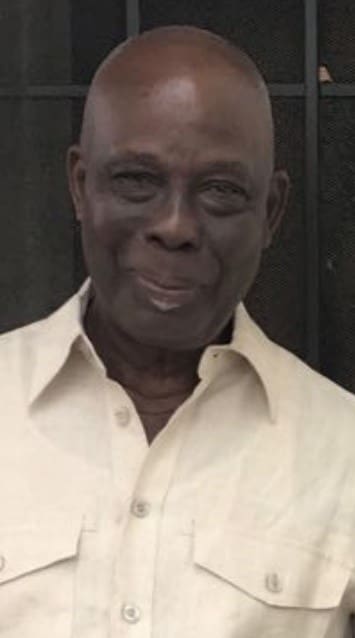
Fredrica Priscilla Burt Dies

0
Fredrica Priscilla Burt

The family of Fredrica Priscilla Burt is saddened to announce her passing. Her life began in Old Road Village, Antigua on Aug. 24, 1946, and ended on Sept. 30, 2024, in Tamarac, Fla.

She was preceded in death by her husband, Pastor Norton Burt Sr.; her parents: John and Olive Pelle of Old Road Village, Antigua; and brother, Abel Pelle, also of Antigua.

As a young lady, she attended Old Road Primary School and worked at Curtain Bluff Hotel.

Fredrica married Norton Burt Sr. on Nov. 20, 1969, a relationship which remained until his passing in December 2015. In 1970, she gave birth to their son and moved to St. Croix where she began to build a life. She went on to graduate from St. Croix Central High night school and attended what is now known as the University of the Virgin Islands. She worked for the V.I. Housing Authority as a secretary for over 20 years until her retirement.

In her early years on St. Croix, she attended St. Lukeโ€™s AME Church in Grove Place. However, she soon joined her husband to attend the Apostolic Faith Church at Strawberry Hill where she remained for over 30 years. There, she served in the choir, as a Sunday school teacher, and as president of the Womenโ€™s Fellowship.

Upon Norton Sr.โ€™s passing, due to health concerns, she relocated to South Florida where she remained until her death. She had many close neighbors and friends that were very important to her. Throughout her years, she has met and influenced many inside and outside of the church, and she was loved and cared for greatly by many.

Special thanks to the staff and leadership of Rebeccaโ€™s House who showed her extra love and care in her final years.

Mrs. Burt leaves to celebrate her life, sons: Norton Burt Jr. of Fort Lauderdale, Fla. and Jeffrey Burt of Boston, Mass.; daughters- in- law: Helen Huggins-Burt and Florencia Burt; grandchildren: Rhyann, Jonathan, David, Daniel, Jeffrey Jr. (his wife and children), and Major Abigail Burt of the United States Air Force.

She also leaves to celebrate her life, her brothers and their families. The family of the late Abel Pelle, his wife, Janet, their children and grandchildren. Randolph Pelle of Guyana and his children. Reverend Dr. Belgrave Pelle, his wife, Catherine, and their family of New York. Norvel Pelle, his wife, Darlene, and their children from California. Her sisters: Adeline Pelle and Marilyn Phillip as well as her children and grandchildren. Her brother-in-law, Grayson Burt of New York. Her in-laws: the Burt family of England and Canada along with all their families. There were also many close family members and friends who loved her.

A viewing will be held at 10 a.m. followed by a funeral service at 11 a.m. on Friday, Oct. 25, at the Apostolic Faith Mission, Strawberry Hill. Interment will be at Kingshill Cemetery.

Mavis E. Williams Dies

0
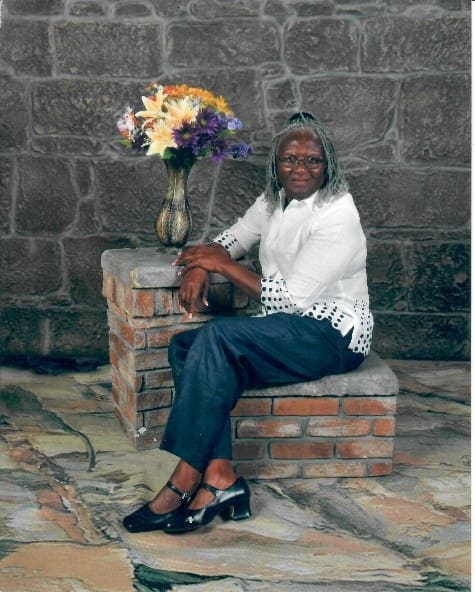
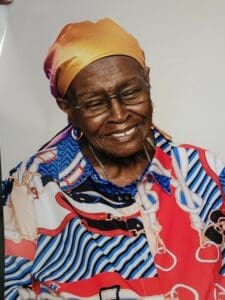
Mavis E. Williams

Mavis E. Williams was born on July 14, 1938, in Antigua, to Jane James and Raymond James. She passed away on Oct. 8, on St. Croix, USVI. Mavis received her Bachelor of Science in Nursing. She was loved and a well-known registered nurse.

Mavis is survived by her brothers: Joshua Watikis, Emanuel Joseph, Hezekah Lewis and James Joseph; daughters: Debra J. Davis and Edith Joseph; grandchildren: Andrea Joseph, Andrew Joseph, Sarah Franklin, Jovon Joseph, Jovon Joseph II and Brad Joseph II; nephews: Terry Samsen and Dave Carr; and special friends: Mrs. Brooks, Mrs. Trim, Mr. Mike and Mrs. Lansiquot

The funeral service is scheduled for Sunday, Oct. 20, at Christiansted Seventh-day Adventist. The viewing will be at 1 p.m., the funeral service will be at 2 p.m.

Joseph Ruel Smith Dies

0
Joseph Ruel Smith

Joseph Ruel Smith, also known as โ€œPeter,โ€ was born on April 26, 1947, on St. Kitts and Nevis to the late Anne Gillard and Joseph Gillard.

In 1990, he migrated to St. Thomas, USVI, and became a naturalized citizen. For several years, Joseph worked in the maintenance field at Winward Passage and Tutu Park Mall. He peacefully passed away on Sept. 29, 2024, in Fort Lauderdale, Fla. He was a beloved father, grandfather and friend. Joseph will be missed by those who had the privilege of spending time with him

He was preceded in death by Shelly Gillard and James Smith.

Joseph Ruel Smith is survived by his eight children: Necil Smith, Gregory Smith, Juneey Francis, Terrance Smith, Anna Berroa, Vanessa Smith, Dennis Smith and Shela Smith; and nine grandchildren: James Roberson Junior, Jacquan Smith, Thriscan Hendrickson, Tekia Smith, Jaydecia Smith, Jaydecia Smith, Annalecia Smith, Alexa Berroa, Angelina Pino and Druicanna Francis.

He was also survived by eleven siblings: Catherine Gillard, Naomi Gillard, Alice Gillard, Iona Gillard, Hurdeth Gillard, Lincoln Gillard, Ernest Gillard, Courteney Gillard, Lester Gillard,

Relatives and friends are respectfully invited to the first viewing from 5-7 p.m., on Wednesday, Oct. 23, at Celestial Chapel of Dan Hurley Home for Funerals.

The second viewing will be held at 10 a.m. followed by a funeral service at 11 a.m., on Thursday, Oct. 24, at Wesley Methodist Church. Interment will be at Eastern Cemetery.

Funeral arrangements are under the care of Dan Hurley Home for Funerals and Cremation Centers of St. Thomas, St. John and St. Croix.

For online condolences or to share a special memory, visit our website at www.hurleydavisfuneralhome.com

Dennisson R. Stewart Dies at 82

0
Dennisson R. Stewart

Dennisson R. Stewart, also known as โ€œDennis,โ€ โ€œPapaโ€ or โ€œPa,โ€ of Estate Humbug died on Sept. 26. He was 82 years old.

He was preceded in death by his mother, Meta Stewart; father, Samuel Stewart; sister, Dorcus; brothers-in-law, Clarance Millington and Ulrick Caton; and sister-in-law, Arlene Stewart.

He is survived by his wife, Edlyn Stewart; daughter, Karen Stewart; son, Kerry Stewart; grandchildren: Kerrianne Browne, Jada Harris and Kerry Jaden Stewart; sisters: Dawn Millington and Dorrel Caton; brother, Desmond Stewart; daughter-in-law, Leah Stewart; brother-in-law, Kenny Forde; and sisters-in-law, Lucille Forde, Margaret Charles, Joan Charles and Maria Charles-Gordon.

He is also survived by special friends: Carlene Smith, Mr. and Mrs. Bruney, Michael Bicette and family, Jan Stephen and family, Adrian Barnes and family, Gregory Jenkins, Alfredo Rivera and family, Victor Peterson and family, Wendy Garcia, and the Freeman family; as well as nieces, nephews, other relatives and friends too numerous to mention.

The viewing will begin at 10 a.m. followed by a funeral service at 11 a.m., Friday, Oct. 25, at James Memorial Funeral Chapel. Interment will be at Kingshill Cemetery.

Professional services are entrusted to James Memorial Funeral Home Inc.

Evangeline Nesbitt Jackson Dies at 80

0
Evangeline Nesbitt Jackson

Evangeline Nesbitt Jackson, also known as โ€œLuโ€ or โ€œVange,โ€ of Estate Golden Rock died on Oct. 3. She was 80 years old.

She was preceded in death by her parents: Eva Prentice Nesbitt and Hesikiah Nesbitt; companion, Francois St. Remy; grandchild, Vernard Sealey; sisters: Ivy Elizabeth Nesbitt, and Ann Marie Nesbitt; brother, Gerard Nesbitt; daughter-in-law, Leoma Cuffy Jackson.

She is survived by her daughters: Shirley James Byron, Cindy Jackson and Maya Esprit; and sons: Jerome Jackson Jr, Evans Jackson, Steve Jackson, Darian Jackson, Calvin Jackson and Dale Jackson.

She is survived as well by grandchildren: Jamal Jackson, Keyra Jackson, Teyana Jackson, Kisha Sealey, Victor Sealey, Nick James, Derika Phipps, Aaliyah Byron, Charicia Simmons, Johvanni, Oโ€™danta Jackson, Steve Jackson Jr., Aaliyah Jackson, Sarian Jackson, Tiffany and Samantha Alani Jackson, Alana Jackson, Dylan Jackson, Tquara Tirado, Tyree Jackson, Samyra Jackson, Shawna Bivins Jackson, Jeremiah Jackson, Giovanni Jackson, Giovanna Jackson, Serenity Bradshaw, Sariyah Bradshaw Jackson, Keaton Jackson, Jahleem James, Hasaunie Andrews, Chalice Farrington, Tafari Farrington, Derrick Gooden Jr., Joshua Gooden, Elisha Gooden, Messi Gooden and Abner Gooden.

She is also survived by great-grandchildren: Kailani, Kieona, Kalisia, Nโ€™ylah, Keion Tae Sealey, Khalilah Lee, Emoni James, Kalayah Moore, Noah, Tristan, Janaye, Jaydon, Janora Ramos, Jonae Ramos, Terrance Sealey-Ramos, Nyroibi Jackson, Ya-Bles Sealey-Brown, Nat Brown, Addis Morris, Unique Jackson, Ezra Jackson, Zion Jackson, Tyrielle Jackson, Egypt Jackson, Arianna Bennett, Azarri Bennett, Jayce Bivins, Kali Trammell, Kaisyn Bivins, Summer Andrews, Ashae Andrews, Riley Farrington, Josiah James, Fransisco Tirado (Franky), Ishmael Tirado, Isaiah Tirado and Ezra Tirado.

Other survivors include great-great-grandchild, Royalty Sealey; daughters-in-law: Sandy Jackson and Vertilly Jackson; son-in-law, Alfred Byron; godchild, Lisa Henry; special friends: Leroy Henry, Sister Henry, Sylvia Archibald, Frank โ€œZimbaโ€ Adams, Oulet Daniel, Bernice and Denise Wilkins; cousins and other relatives: Elsa M. Boyce, Sandra Rhymer Boyce, Clement, Miles Boyce, Anita Bastian, Arlene Jackson, Alphonse Jackson, Marlene Jackson-Dennery, Alaric Jackson, Desiree Phillip-Fevrier and Linda Boyce; as well as other relatives and friends too numerous to mention.

The viewing will begin at 9 a.m. with a funeral service at 10 a.m., Thursday, Oct. 24, at St. Annโ€™s Catholic Church. Interment will follow at Kingshill Cemetery.

Professional services are entrusted to James Memorial Funeral Home Inc.

Elsworth S. Baltimore Dies

0
Elsworth S. Baltimore

Elsworth S. Baltimore of Estate Sion Hill died on Sept. 22.

He is survived by his daughters: Claudette Simon, Rosemarie Simon, Jacqueline Baltimore and Latoya Banton; sons: Tony Curtis Baltimore, Ted Baltimore and Link Baltimore; grandchildren: Kimmesha Joseph, Latisha Ovesen, Akeem Robles, Akela Robles, Shekeel Baltimore, Linicia Baltimore, Linaya Baltimore, Tiara Baltimore, Tahja Jones, Ted Baltimore Jr., Malik Baltimore, Khadija Baltimore, Cassandra Herrera, Kadisha Herrera, Luis Herrera Jr. and Emanuel Herrera; 19 great-grandchildren; and other relatives and friends too numerous to mention.

The viewing will begin at 9 a.m. followed by a funeral service at 10 a.m. on Saturday, Oct. 26, at Church of God Holiness Church (Peterโ€™s Rest). Interment will be at Kingshill Cemetery.

Professional services are entrusted to James Memorial Funeral Home Inc.

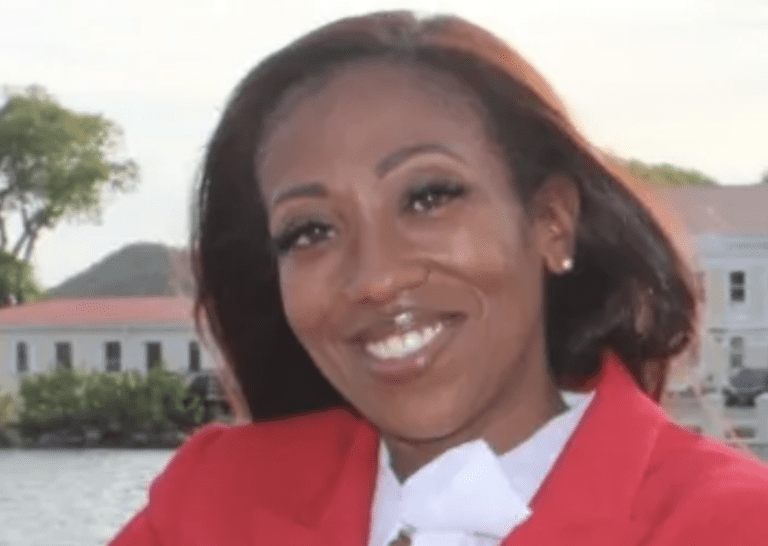
Meet the Candidates | Shenelle “Fina” Francis

0

As we gear up for the 2024 Senate elections, itโ€™s crucial to know where each candidate stands on issues that matter most to our community. To keep you informed, The Source has compiled a list of key questions on pressing topics affecting the Virgin Islands. The answers below are from St. Thomas-St. John District candidate Shenelle “Fina” Francis:

Why are you running for office?

My name is Shenelle โ€œFinaโ€ Francis, candidate #12 for senator of the 36th Legislature. I am running for office to provide bold, visionary leadership for the Virgin Islands. Our community deserves leaders who proactively address challenges, ensuring every Virgin Islander has access to essential services, housing, and trade school education. Itโ€™s time to build a stronger, more resilient territory where opportunity is available to all. My campaign focuses on progress, equity, and giving every Virgin Islander a voice. I am committed to bringing practical solutions to improve lives and lead us toward a brighter future.

What are your qualifications?

I bring extensive experience and a strong commitment to our community, having served in the 28th Legislature, where I gained valuable insights into the legislative process. My Bachelorโ€™s Degree in Business Marketing from Albany State University equips me with skills in communication, strategy, and economic understanding. My background in real estate has given me a keen awareness of housing equity issues. These qualifications, combined with my deep love for the Virgin Islands, make me ready to serve with dedication and a clear vision for progress.

Why should voters choose you?

Voters should choose me because I embody the values of transparency, community-first leadership, and a commitment to addressing the pressing issues we face. I aim to continue the legacy of service exemplified by Ruby Rouse, ensuring every Virgin Islander feels heard and valued through my policies and actions. I humbly ask for your support in this upcoming election. Early voting takes place from Oct. 14 to 28, with the General Election following on Nov. 5.

How would you address the high cost of living in the territory and the lack of affordable housing?

The high cost of living and lack of affordable housing are among the most pressing issues we face, and I am committed to addressing them with innovative solutions. One of the core elements of my platform is the development of affordable tiny homes โ€” specifically designed for families of four, with two bedrooms and a loft. These homes provide a sustainable, cost-effective alternative to traditional housing, allowing us to offer quality living spaces at a fraction of the cost.

By encouraging the construction of tiny home communities, we can reduce housing expenses while maintaining a high standard of living. I will push for policies that provide land grants, streamline the building approval process, and secure funding to make these homes available to more residents. Additionally, integrating these homes into eco-friendly communities will help lower utility costs by utilizing renewable energy solutions like solar power and water conservation systems. Together, we can create housing solutions that are not only affordable but sustainable for the future.

How would you improve the territoryโ€™s electrical grid and implementation of renewable energy?

To improve the Virgin Islands’ electrical grid and implement renewable energy, we must embrace innovative and sustainable solutions that reduce our reliance on fossil fuels while enhancing our resilience. One groundbreaking approach I propose is the development of underwater power stations that harness tidal energy. The power of the ocean’s tides can be an abundant, renewable source of electricity for the territory. Did you know that China operates the largest tidal energy station in the world, with a capacity of 3,000 kilowatts? It generates clean, pollution-free energy for all.

By exploring this technology, we can position the Virgin Islands as a leader in renewable energy and technological progress, while significantly reducing our carbon footprint. Combining this with other renewable energy sources like solar power would make our grid more robust and reliable, bringing long-term stability to our energy supply. This forward-thinking approach ensures we not only keep pace with global advancements but also protect our islands for future generations.

What would you do to expedite or improve the territoryโ€™s disaster recovery, which has dragged on for seven years now?

After seven years of slow progress, it is time for a bold, collaborative approach to accelerate disaster recovery in our territory. A public-private partnership (PPP) model, leveraging tiny homes, could be the catalyst for change.

Affordable Tiny Homes and PPP Initiatives: By collaborating with private builders, the government can promote the construction of cost-effective tiny homes as a quick and sustainable housing solution. These homes, designed for resilience and efficiency, can be deployed rapidly to accommodate those still without permanent housing.

Incentives for Builders: Incentivizing local builders with tax breaks, grants, and streamlined permitting processes will boost participation and investment, helping the economy while ensuring faster construction timelines.

Improved Lending Options: Offering favorable loan programs tailored for disaster recovery, such as low-interest and flexible repayment terms, will empower homeowners and builders alike to invest in rebuilding efforts. Collaborating with financial institutions can expand access to these funds, creating a robust ecosystem for recovery.

How can the territory improve upon its tourism product while addressing growing concerns about over-tourism? Are we too reliant on cruise tourism and what can be done to bring more overnight visitors?

In recent years, the U.S. Virgin Islands has seen significant growth in tourism, particularly from cruise ships. While this has brought economic benefits, there are concerns about over-reliance on cruise tourism and its impact on local culture and environment. To sustainably enhance our tourism product and attract more overnight visitors, it is crucial to explore innovative approaches.

One promising strategy is to emphasize our unique agricultural offerings, similar to Italyโ€™s citrus fruit experiences. The Virgin Islands boasts a rich array of exotic fruits, from soursop to starfruit, each contributing to our local identity and culinary heritage. By establishing welcome centers and offering fruit tours, visitors can immerse themselves in our agricultural bounty, enhancing their overall experience while supporting local farmers.

Moreover, by mandating that all visitors, through partnerships with the V.I. Taxi Association, visit these welcome centers, we can introduce them to the diverse flavors and cultural aspects of our islands from their arrival. This approach not only enriches the tourist experience but also spreads economic benefits throughout our community.

Looking ahead, we remain open to new ideas that promote sustainable tourism and reduce the environmental impact of our industry. By balancing growth with preservation, we can ensure that the Virgin Islands remains a cherished destination for generations to come.

What would you propose to better support people dealing with mental illness, alcoholism, addiction, and homelessness?

To better support individuals dealing with mental illness, addiction, and homelessness in the Virgin Islands, I propose a holistic, community-based approach:

  1. 24-Hour Crisis Hotline: Establish a dedicated hotline staffed with trained professionals to provide immediate counseling and connect individuals with local mental health and addiction services. This service would act as a bridge to long-term care and create local jobs in mental health.
  2. Support Groups for Addiction: Introduce peer-led support groups, similar to AA (Alcoholics Anonymous) and NA (Narcotics Anonymous), across neighborhoods. Collaborating with community and religious organizations ensures accessibility while fostering a supportive environment for recovery.
  3. Tiny Home Village for the Homeless: Build a “Tiny Home Village” of 100 cottages, sponsored by local businesses, offering temporary housing, skill development, and community engagement through gardening initiatives. The village provides a pathway to self-sufficiency and stability for residents.

What plans do you have to reestablish the libraries in the territory?

Fun fact about me: I grew up in the Enid M. Baa Library, which is currently under construction, and I understand firsthand how important these spaces are to our community. The last update on the status of the Charles W. Turnbull Regional Library is that it will remain closed until repairs are completed in 2024. While we wait for the completion of these crucial facilities, it is important to think outside the box to address the literacy challenges our children are facing.

Instead of waiting for the lengthy and often unrealistic process of constructing a new facility, letโ€™s bring books directly to the children of the territory. I propose converting a fleet of school buses into mobile libraries that can service all neighborhoods, including public housing communities. These mobile libraries would not only offer a wide range of books, but also provide library cards and allow for book borrowing and returns, just like any traditional library.

A mobile library service will:

  1. Reach more children and families: By bringing books directly into the communities, we can reach children who may not have access to a physical library.
  2. Combat literacy challenges: By providing easy access to books, we are equipping our children with the tools they need to improve their reading skills and expand their knowledge.
  3. Strengthen community engagement: Offering educational resources in the heart of our neighborhoods fosters a love for reading and learning, helping to shape a brighter future for the Virgin Islands.

This practical approach can be rolled out quickly and efficiently, ensuring that we donโ€™t lose precious time while waiting for permanent library repairs. By investing in our childrenโ€™s education today, we build a stronger, more literate Virgin Islands for tomorrow.

How can we provide access to affordable healthcare for individuals and small businesses?

  1. Create a Local Healthcare Co-op: By pooling resources from small businesses and individuals, we can negotiate better insurance rates, lowering premiums and expanding access to essential services.
  2. Public-Private Partnerships: Collaborating with private insurers to develop affordable, tiered health plans tailored to the unique needs of small businesses and individuals will ensure coverage is within reach for all.
  3. Subsidies and Incentives: Offering tax incentives and subsidies to small businesses that provide health insurance, along with exploring federal assistance programs, can make a tangible difference in reducing costs for both employers and residents.

Please tell us about any of your other priorities for the territory that are not addressed in the questions above.

Housing is my top priority for the Virgin Islands. The rebuild has taken far too long, and we are losing our local population due to a lack of affordable housing options. We must prioritize partnerships with developers to accelerate progress and build new developments across the territory. One key issue is the limited housing inventory, which prevents residents from benefiting from programs like the Housing Choice Voucher Program (funded by HUD) that allows recipients to purchase homes with their voucher. To address this, we need to foster public-private partnerships, streamline the development process, and incentivize builders to create affordable, sustainable housing solutions. By expanding our housing stock, we can ensure that more Virgin Islanders have access to safe, affordable homes, strengthening our community and keeping families rooted here.

Another priority of mine is ensuring additional care for our elders, who are the foundation of our community. Many of our senior care facilities currently operate on limited hours, typically from 8 a.m. to 5 p.m., which leaves gaps in essential care. I propose expanding these services to provide 24-hour nursing care for all aged populations. To achieve this, we can build partnerships with the University of the Virgin Islands, allowing nursing students to earn credit hours by assisting at senior centers. This will not only improve the quality of care for our elders but also provide valuable hands-on experience for students, fostering a stronger connection between education and community service. Our elders deserve the dignity of proper care, and this initiative would be a step toward ensuring they receive it.

And finally, if you could have one superpower to move the V.I. forward, what would it be and why?

If I could have one superpower to move the Virgin Islands forward, it would be to establish a teaching hospital on both University of the Virgin Islands campuses. My experience at Emory University, where I worked under a GI physician who served as a researcher and educator at the same institution, highlighted the urgent need for proper healthcare access in our territory.

A teaching hospital would not only attract specialty doctors to serve our community but also reduce our reliance on the mainland for medical care. Unlike a medical simulation center, this facility would enable aspiring physicians to complete their fellowships here, fostering a new generation of healthcare professionals.

By positioning ourselves as a hub for medical education and specialty care, we can enhance our healthcare system, improve patient outcomes, and ultimately keep our loved ones close to home when they need care the most. Thank you!


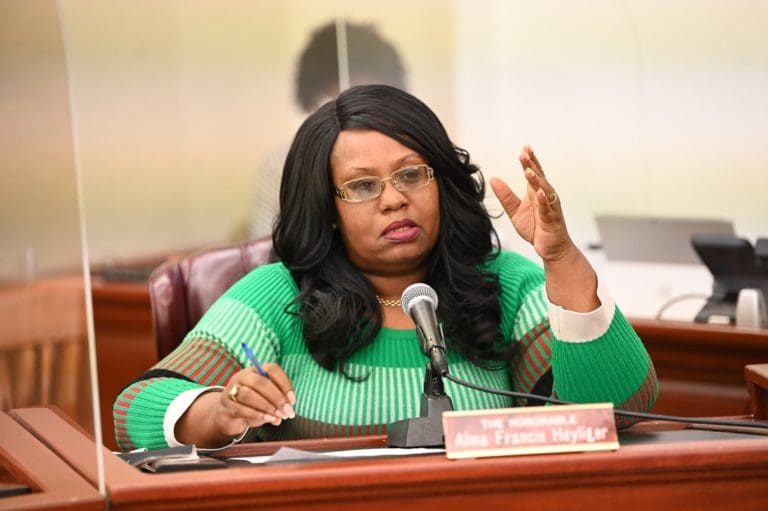
Meet the Candidates | Alma Francis Heyliger

As we gear up for the 2024 Senate elections, itโ€™s crucial to know where each candidate stands on issues that matter most to our community. To keep you informed, The Source has compiled a list of key questions on pressing topics affecting the Virgin Islands. The answers below are from incumbent St. Thomas-St. John District Sen. Alma Francis Heyliger:

Why are you running for office, what are your qualifications, and why should voters choose you?

I am running for re-election because I believe in the potential of the U.S. Virgin Islands, and I am deeply committed to continuing the work that puts the needs of our people first. Over the past four years, I have been a tireless advocate, championing issues that affect our community the most โ€” from economic development and education to fighting for fair representation and ensuring our voices are heard both locally and on the national stage.

As a sitting senator, I have proven my dedication to transparency, accountability, and action. I have led initiatives that protect individual rights, support small businesses, and strengthen our local economy, all while standing firm against discriminatory practices that threaten our civil liberties. My qualifications extend beyond just serving in office; they lie in my experience in fighting for legislation that directly impacts our families, our youth, and our future.

How would you address the high cost of living in the territory and the lack of affordable housing?

Addressing the high cost of living and the lack of affordable housing in the U.S. Virgin Islands requires a comprehensive approach. Here are several strategies I propose:

1. Expand Affordable Housing Programs:

  • Increase Public Housing Units: Collaborate with the Virgin Islands Housing Authority (VIHA) to construct more low-income public housing units. This effort includes initiatives like the Donoe Redevelopment Project, which aims to provide 84 hurricane-resilient units in St. Thomas
  • Enhance Rental Assistance: Strengthen programs such as the Housing Choice Voucher Program to offer greater support to low-income families, enabling them to afford private rentals

2. Promote Homeownership:

  • V.I. Slice Program: Support and expand initiatives like the VI Slice Moderate-Income Homeownership Program, which assists residents in achieving homeownership, thereby fostering economic stability

3. Implement Rent Control Measures:

  • Establish Rent Regulations: Introduce policies to stabilize rent prices, preventing excessive increases and ensuring affordability for tenants.

4. Address Cost of Living Factors:

  • Reduce Import Duties: Advocate for lower import taxes on essential goods to decrease prices for consumers.
  • Support Local Agriculture: Invest in local farming to reduce reliance on imported foods, which can be more expensive.

5. Increase Economic Opportunities:

  • Job Creation: Stimulate economic growth by attracting businesses and industries that offer well-paying jobs, helping residents to better afford living expenses.
  • Vocational Training: Provide training programs that equip residents with skills in demand, leading to higher employment rates and better wages.

By implementing strategies such as these, we can work towards alleviating the financial burdens faced by many residents and ensure a more sustainable and equitable future for the U.S. Virgin Islands.

How would you improve the territoryโ€™s electrical grid and implementation of renewable energy?

Improving the territoryโ€™s electrical grid and advancing renewable energy is essential to reducing our energy costs and achieving sustainability. One of the main ways I would address this is by modernizing our electrical infrastructure to be more resilient and better equipped to integrate renewable energy sources.

I have introduced a bill that explores the use of hydropower, which involves using water to generate energy. With our abundant natural resources, hydropower offers a renewable and reliable energy source that could significantly reduce our dependency on imported fossil fuels. By investing in this form of energy, we can lower electricity costs, reduce our carbon footprint, and create jobs in the renewable energy sector.

In addition to hydropower, I advocate for expanding solar and wind energy projects across the islands. We have plenty of sunlight, and if we continue to harness it efficiently through solar farms and rooftop panels, we can further diversify our energy portfolio. Wind energy also holds great potential, especially with the strong winds we experience throughout the year.

Another key area of improvement is updating and reinforcing our grid infrastructure to withstand extreme weather events, which frequently disrupt power. We need to invest in smart grid technology, which will allow for better management of energy distribution and quicker recovery after storms. This would also facilitate the integration of more renewable energy sources into the grid, ensuring a smoother transition to a clean energy future.

By combining efforts to modernize the grid, promote hydropower, and expand other renewable sources like solar and wind, we can build a more reliable, affordable, and sustainable energy system for the territory.

What would you do to expedite or improve the territoryโ€™s disaster recovery, which has dragged on for seven years now?

One of the critical steps I’ve already taken in addressing disaster recovery is diligently working to protect the $100 million line of credit that the Legislature created. This line of credit is essential because it serves as matching funds to kickstart many disaster recovery projects that have been delayed. These funds are crucial for unlocking federal recovery dollars and ensuring that we can move our recovery efforts forward.

However, as a senator, it’s important to note that many of the decision-making processes regarding disaster recovery fall under the executive branch. While the legislative branch does not have direct control over these decisions, as a member of the Legislature, I can encourage the executive branch to act more swiftly and share with them some of my solutions to streamline and expedite the recovery process. Additionally, I will utilize my oversight responsibilities to ensure that funds are being used appropriately and that the recovery projects are on track.

To further expedite recovery, I would advocate for greater efficiency in our coordination with federal agencies like FEMA and HUD. Often, the delays stem from bureaucratic hurdles, and I believe we need to streamline these processes. By pushing for dedicated task forces focused on key recovery areas โ€” such as housing, infrastructure, and utilities โ€” we can improve accountability and make measurable progress.

Moreover, I would prioritize the hiring of local contractors and the development of our local workforce to handle these projects, which will not only speed up the recovery process but also create job opportunities for our people. Investing in skills training programs will prepare our workforce to take on the unique challenges of disaster recovery and resilience- building.

Ultimately, recovery is about more than just rebuilding; itโ€™s about building back stronger. This means incorporating resilient, storm-resistant infrastructure and renewable energy into our recovery projects to ensure we are prepared for the future. While I will continue to press the executive branch to take action, I will also use my legislative oversight powers to hold agencies accountable and ensure the job gets done.

What reforms would you propose to ensure our children are receiving the public education that they deserve?

Education is the great equalizer, especially for the over one-third of our children who live in poverty. To help them rise out of such difficult circumstances, we must ensure that every child in the U.S. Virgin Islands has access to a high-quality public education that prepares them for success. This requires serious reform, investment, and innovative approaches to address the systemic issues in our education system.

First, we need to invest in our schoolsโ€™ infrastructure. Many of our public schools are in dire need of repairs and upgrades to create a safe and conducive learning environment. I would propose a comprehensive school revitalization plan that modernizes our classrooms and ensures that all students have access to the technology and resources they need to thrive.

Second, we must support our teachers. Our teachers are the backbone of the public education system, but too many of them are overworked and underpaid. I would advocate for better compensation and professional development opportunities to attract and retain the best teachers in our classrooms. Ensuring that teachers have smaller class sizes and the necessary tools will allow them to provide individualized attention to students, which is critical for those who may be struggling academically.

Third, I would propose reforms to make early childhood education more accessible. Studies show that children who participate in quality early education programs are more likely to succeed academically and socially. By expanding access to preschool and early education programs, we can give all children, regardless of their economic background, a strong start.

In addition, we need to ensure that vocational and technical education programs are available and robust. Not every student will go on to a traditional four-year college, and thatโ€™s why we must invest in programs that prepare students for careers in trades, technology, and other high-demand fields. By equipping them with these skills, we give them a pathway to economic stability and independence.

Lastly, I believe we need a more holistic approach to education, one that addresses the whole child. That means ensuring students have access to mental health support, nutritional programs, and after-school activities. When children come from homes facing financial hardship, itโ€™s crucial that schools provide them with additional resources to help meet their basic needs and focus on their education.

Education is the key to breaking the cycle of poverty. By making strategic reforms to support our teachers, modernize our schools, and provide opportunities for all students โ€” no matter their background โ€” we can ensure that every child receives the public education they deserve and the opportunity to succeed.

What are your solutions to address violent crime in the territory, especially among young men?

Addressing violent crime in our territory, particularly among young men, is deeply personal for me. I, too, have felt the devastating impact of senseless violence. My brother was only 32 years old when he was tragically taken from us, and to this day, his murder remains unsolved. The pain of losing him still weighs heavy on my heart, and it strengthens my resolve to fight for solutions that prevent others from suffering the same loss.

To tackle violent crime, we must take a comprehensive, community-based approach that addresses not just the symptoms, but the root causes. Here are several solutions I would advocate for:

  1. Invest in Youth Development Programs: Many of our young men turn to crime because they feel disconnected from opportunities. We need to invest in more after-school programs, mentorship initiatives, and vocational training that give them productive outlets and a path to success. By providing these opportunities, we can steer our young people away from the streets and towards brighter futures.
  2. Strengthen Law Enforcement Resources: I believe in providing our law enforcement ย officers with the training, resources, and technology they need to solve crimes swiftly and fairly. Too many families, like mine, are left without closure when cases go unsolved. It is essential that we improve investigative capabilities, such as DNA testing and surveillance, to bring justice to victims and their families.
  3. Focus on Community Policing: Building trust between law enforcement and the ย community is crucial. By establishing stronger relationships through community policing, we can create safer neighborhoods. When officers know the people they serve, and when the community feels heard and protected, it becomes easier to work together to prevent crime and solve cases.
  4. Address the Social and Economic Factors Behind Crime: Poverty, lack of education, and unemployment are major contributors to violent crime. As Iโ€™ve mentioned in other areas of my platform, education is the great equalizer. We need to ensure that young men, especially those who are at risk, have access to education and job opportunities. By providing them with tools for success, we can break the cycle of violence.
  5. Support Mental Health Services: Many young men involved in violent crime have ย experienced trauma, often related to family struggles, poverty, or previous violence. We need to expand access to mental health services to help these individuals cope and prevent future violence. Counseling, conflict resolution programs, and trauma-informed care should be available in schools and communities.

Ultimately, we cannot rely on policing alone to solve the problem of violent crime. We need a holistic approach that engages our entire community โ€” from schools, to churches, to local businesses โ€” in the effort to prevent crime and provide alternatives for our youth. Losing my brother was one of the hardest experiences of my life, and no family should have to endure that pain. I am committed to working relentlessly to ensure that we create a safer territory, one where young men are empowered to build better lives, and where every family can live without fear of violence.

How can the territory improve upon its tourism product while addressing growing concerns about over-tourism? Are we too reliant on cruise tourism and what can be done to bring more overnight visitors?

Tourism is the backbone of our economy, but we must strike a careful balance between promoting growth and preserving the natural beauty and culture that make the Virgin Islands unique. While cruise tourism brings a significant number of visitors, I do believe that we are too reliant on it. To create a more sustainable tourism industry, we need to diversify our approach and focus on attracting more overnight visitors who contribute to our economy over longer periods.

First, we should enhance and promote the unique experiences that our islands offer, which appeal to longer-term visitors. This includes expanding eco-tourism, adventure tourism, and cultural tourism. By highlighting our beaches, natural parks, hiking trails, historical landmarks, and local arts, we can attract travelers who are interested in more immersive, extended stays. These visitors are more likely to support local businesses, from hotels and restaurants to tour operators and artisans, generating more revenue for our community.

To address the issue of over-tourism, we should be promoting more off-the-beaten-path locations to distribute tourism more evenly across our islands, reducing pressure on high- traffic areas.

Additionally, itโ€™s essential that we diversify our marketing efforts beyond traditional markets like the U.S. mainland. There is great potential to attract tourists from countries with larger populations such as India, China, Brazil, and others. These markets are growing rapidly, and we must position the Virgin Islands as a desirable destination for international travelers. This requires targeted marketing campaigns and partnerships with international travel agencies and influencers to raise awareness of our islands.

To encourage more overnight visitors, we also need to invest in improving our accommodations infrastructure. By supporting the development of boutique hotels, eco- lodges, and luxury resorts, we can cater to a wider range of travelers, from budget- conscious tourists to high-end visitors. Offering unique, high-quality accommodations will help us stand out in the competitive global tourism market.

Lastly, sustainability must be at the heart of our tourism strategy. Protecting our natural resources โ€” our beaches, coral reefs, and wildlife โ€” is critical to the long-term success of our tourism industry. We should continue to invest in environmental conservation and promote sustainable tourism practices, such as reducing single-use plastics, encouraging green certifications for hotels and businesses, and educating visitors on how to respect and preserve our natural environment.

By focusing on more sustainable and diverse tourism strategies, reducing over-reliance on cruise ships, and expanding our reach to larger international markets, we can build a tourism product that not only boosts our economy but also protects the essence of what makes the Virgin Islands special.

What would you propose to better support people dealing with mental illness, alcoholism, addiction, and homelessness?

Addressing the complex issues of mental illness, alcoholism, addiction, and homelessness requires a comprehensive approach that recognizes each issue as unique, yet often interconnected. If I were forced to prioritize, I would focus on mental illness because mental health challenges can trigger a range of other issues, including addiction, homelessness, and alcoholism.

Currently, I am personally affected by this issue as I have a family member suffering from mental illness through no fault of their own. This experience has opened my eyes to the urgent need for improved mental health support in our territory.

To better support individuals dealing with these challenges, I propose the following:

  1. Establish Comprehensive Mental Health Facilities: We need to invest in building and ย enhancing mental health facilities that offer accessible and affordable services. This includes outpatient programs, crisis intervention services, and inpatient care for those in severe distress. These facilities must be staffed with qualified mental health professionals who can provide the necessary support and treatment. Importantly, we have funds set aside from the Epstein settlement specifically for mental health facilities. We must ensure these funds are allocated efficiently and effectively to address our community’s needs.
  2. Increase Awareness and Education: Itโ€™s crucial to break the stigma surrounding mental illness. We should implement public education campaigns that promote mental health awareness, encourage people to seek help, and inform families about available resources. By creating a culture that prioritizes mental health, we can help individuals feel more comfortable accessing the care they need.
  3. Integrate Services for Holistic Support: Many individuals facing mental health challenges also deal with issues like addiction or homelessness. We should develop integrated service models that bring together mental health, addiction treatment, and housing support under one umbrella. This holistic approach ensures that individuals receive comprehensive care tailored to their unique needs.
  1. Expand Substance Abuse Treatment Programs: In addition to mental health facilities, we must enhance our programs for substance abuse treatment. This includes not only rehabilitation services but also aftercare programs to support individuals in recovery. Providing ongoing support can help prevent relapse and encourage long-term recovery.
  2. Support Transitional Housing Initiatives: For those experiencing homelessness, ย transitional housing programs can provide a crucial bridge to stability. These programs should offer not only housing but also access to mental health and substance abuse services, job training, and life skills education to help individuals reintegrate into society successfully.
  3. Strengthen Community Resources: Local organizations and nonprofits play a vital role in addressing these issues. We should invest in community-based resources that offer support and assistance to individuals and families dealing with mental illness, addiction, and homelessness. By strengthening these organizations, we can create a network of support that reaches those in need.

By prioritizing mental health care and integrating it with services for addiction and homelessness, we can create a more compassionate and effective system of support for our community. It’s time we put a stronger emphasis on mental health facilities in the Virgin Islands, utilizing the funds from the Epstein settlement, to help our people regain control of their lives and thrive.

What plans do you have to reestablish the libraries in the territory?

Libraries are vital community resources that foster learning, creativity, and connection. They serve as safe spaces for people of all ages to access information and educational materials, and I believe it is essential to reestablish and modernize our libraries in the U.S. Virgin Islands.

To achieve this, I propose a multi-faceted approach:

  1. Assessing Community Needs: First, we must conduct a thorough assessment of the ย current state of libraries in the territory and understand the specific needs and desires of our communities. This includes gathering feedback from residents, educators, and local organizations to determine how our libraries can best serve the public.
  2. Modernizing Library Facilities: Many of our library facilities require upgrades to create welcoming and functional spaces for users. This includes improving the physical infrastructure, ensuring accessibility for all, and providing updated technology and resources.
  1. Digitizing Resources: One innovative solution I propose is to digitize a portion of our library collections, allowing residents to check out e-books and other digital materials through a website portal. This not only expands access to a broader range of materials but also meets the needs of those who may have difficulty visiting a physical library. For example, we could partner with local universities and authors to digitize specific educational texts and make them available online, providing students and lifelong learners with valuable resources at their fingertips.
  2. Enhancing Community Programs: Libraries should also serve as hubs for community engagement and education. We can establish a variety of programs such as workshops, reading clubs, and educational seminars that cater to different age groups and interests. Collaborating with local schools and community organizations can further enrich these programs.
  3. Funding and Partnerships: To successfully reestablish our libraries, we need to seek funding from various sources, including government grants, private donations, and partnerships with non-profit organizations. This collaborative effort can help us secure the necessary resources to revitalize our libraries and expand their offerings.
  4. Promoting Literacy and Education: Libraries play a critical role in promoting literacy and lifelong learning. We must focus on initiatives that encourage reading among children and adults alike. This could involve launching reading challenges, author visits, and literacy programs that engage our community.

By prioritizing the reestablishment and modernization of our libraries, we can create vibrant spaces that not only provide access to information but also foster community connections and support lifelong learning. This is an investment in our future, ensuring that everyone in the U.S. Virgin Islands has the resources and opportunities they need to succeed.

How can we provide access to affordable healthcare for individuals and small businesses?

Access to affordable healthcare is a fundamental right that should be available to everyone, and addressing this issue is crucial for the well-being of our community and the sustainability of small businesses in the U.S. Virgin Islands. Here are several strategies I propose to improve access to affordable healthcare:

1. Expand Medicaid and Local Health Programs: One of the most effective ways to ensure affordable healthcare is to expand Medicaid eligibility and local health programs. This can provide coverage for low-income individuals and families who currently fall through the cracks. By expanding these programs, we can help reduce the number of uninsured residents, ultimately leading to better health outcomes.

  1. Increase Access to Preventive Care: Preventive care is essential for reducing long-term healthcare costs. We must promote initiatives that provide free or low-cost preventive services, such as vaccinations, screenings, and wellness check-ups. By encouraging regular health check-ups, we can catch health issues early, ultimately reducing the financial burden on individuals and our healthcare system.
  2. Support Community Health Clinics: Community health clinics play a vital role in providing affordable care to underserved populations. We should invest in these clinics to ensure they have the resources necessary to expand their services, including mental health and substance abuse treatment. This will help address the unique needs of our communities and ensure that everyone has access to necessary healthcare services.
  3. Work with Hospitals on Unpaid Bills: Our hospitals bear the cost of millions of dollars annually due to unpaid healthcare bills, which can impact their ability to provide quality care. We must explore solutions to mitigate this issue, such as establishing payment plans for individuals who may struggle to pay their bills, creating outreach programs to inform patients of available financial assistance, and advocating for better reimbursement rates from insurance providers.
  4. Encourage Employer-Based Health Insurance Options: For small businesses, providing affordable health insurance options can be challenging. We can support initiatives that encourage small businesses to offer health benefits, such as tax incentives or subsidies for those who participate in group insurance plans. This would make it more feasible for small businesses to provide coverage for their employees while enhancing overall workplace health.
  5. Promote Telehealth Services: Expanding telehealth services can greatly improve access to healthcare, particularly for those living in remote areas or with mobility challenges. By leveraging technology, we can connect individuals to healthcare providers without the need for in-person visits, making it easier for residents to access necessary services at a lower cost.
  6. Advocate for Federal Assistance and Funding: We should work to secure federal assistance and funding for healthcare initiatives in our territory. This can help cover costs associated with expanding services, improving facilities, and providing care to those in need.

By implementing these strategies, we can create a more equitable healthcare system that supports individuals and small businesses alike. Ensuring access to affordable healthcare is not just a matter of public health; itโ€™s an investment in the overall economic health of our community. By prioritizing these efforts, we can improve the quality of life for all residents in the U.S. Virgin Islands.

Please tell us about any of your other priorities for the territory that are not addressed in the questions above.

Economic growth and community development are essential for the long-term prosperity of the U.S. Virgin Islands. My vision encompasses a multi-pronged approach that addresses several key areas, including product marketing, property revitalization, adult foster care, and civic education. Hereโ€™s how I plan to tackle these issues:

  1. Product Marketing for Local Goods: One of our greatest assets is the talent and creativity of our local artisans and businesses. We need to enhance the marketing of products made in the Virgin Islands for export. By promoting our unique offerings, from handmade crafts to locally sourced agricultural products, we can tap into broader markets. Establishing partnerships with online platforms and marketplaces can help showcase our goods to a global audience, driving economic growth and creating job opportunities within our communities.
  2. Revitalizing Abandoned and Derelict Properties: Abandoned and derelict properties not only detract from the beauty of our communities but can also pose safety hazards. I have proposed legislation to create a real estate exchange website that connects property owners with potential investors and developers. This platform will facilitate collaboration on revitalization projects, turning neglected properties into vibrant spaces that contribute to the community. By incentivizing investment in these properties, we can stimulate local economies and create jobs.
  3. Establishing an Adult Foster Care System: The need for supportive care for our elderly population is growing. Setting up an adult foster care system will provide a much-needed alternative to institutional care for seniors, ensuring they have safe and nurturing environments. This system can also create opportunities for families to become caregivers, providing them with financial support while enriching the lives of both the caregivers and the individuals they care for.
  4. Enhancing Civic Education: Promoting political literacy is crucial for empowering our citizens and ensuring they are informed participants in the democratic process. I advocate for more comprehensive civics education in our schools and communities, focusing on the importance of civic engagement, government structure, and local issues. By fostering a culture of active participation, we can cultivate a well-informed electorate that is better equipped to advocate for their needs and drive positive change.
  1. Supporting Small Businesses and Entrepreneurship: We must prioritize the development of small businesses, as they are the backbone of our economy. By providing resources, mentorship programs, and access to funding for aspiring entrepreneurs, we can stimulate innovation and create job opportunities. Encouraging local startups will diversify our economy and help us become less reliant on tourism.
  2. Investing in Sustainable Practices: Sustainable economic practices should be at the forefront of our development strategies. We must support initiatives that promote environmental sustainability, such as green building practices, renewable energy projects, and conservation efforts. This not only preserves our natural resources but also positions us as leaders in sustainability, attracting eco-conscious tourists and investors.
  3. Promoting Collaboration with Community Organizations: We need to strengthen partnerships with local nonprofits and community organizations that are already doing great work in our communities. By collaborating on initiatives that address poverty, education, health, and housing, we can leverage existing resources and maximize our impact.

By addressing these priorities, we can create a thriving economy that benefits all residents of the U.S. Virgin Islands. Together, we can revitalize our communities, promote local talent, and empower our citizens, ensuring a brighter future for generations to come.

And finally, if you could have one superpower to move the V.I. forward, what would it be and why?

If I could have one superpower to propel the Virgin Islands forward, it would be the ability to force others to speak only the truth. I would call myself TRUTHSAYER. In a world where falsehoods often overshadow honesty, this power would serve as a beacon of clarity and integrity.

As TRUTHSAYER, I would stand against the tide of misinformation and corruption that has, at times, hindered our progress. I believe that truth is the foundation of justice and accountability. With this superpower, I could ensure that our government representatives remain steadfast in their commitments, holding them accountable to the people they serve. This would reduce corruption and foster a culture of transparency and trust within our communities.

Too often, we see elected officials who put on a face for the public while wearing a mask that blinds so many to their true selves. Itโ€™s essential to unmask these individuals and reveal their genuine intentions. This superpower would empower citizens to see beyond the facade and demand authentic leadership.

Moreover, TRUTHSAYER would champion the cause of justice, empowering individuals to stand up against wrongdoing without fear. We live in a society where what was once wrong is now often seen as right, and what was right is now questioned. Itโ€™s crucial to restore the moral compass that guides us toward progress.

This superpower would also extend to addressing crime. By compelling truth-telling, we could break down the walls of silence that often protect wrongdoers and allow the community to unite against crime. The truth would be our most powerful weapon in creating a safer and more just society.

As I often say, “We spend so much time rationalizing mediocrity that we have forgotten what greatness looks like.” It is essential that we strive for greatness and reject the complacency that allows dishonesty and injustice to thrive. With TRUTHSAYER at the helm, we would not only embrace the truth but also empower every citizen in the Virgin Islands to pursue a brighter, more honest future.

St. Croix Seeks to Boost Tourism by Allowing Cruise Ships to Keep Casinos Open

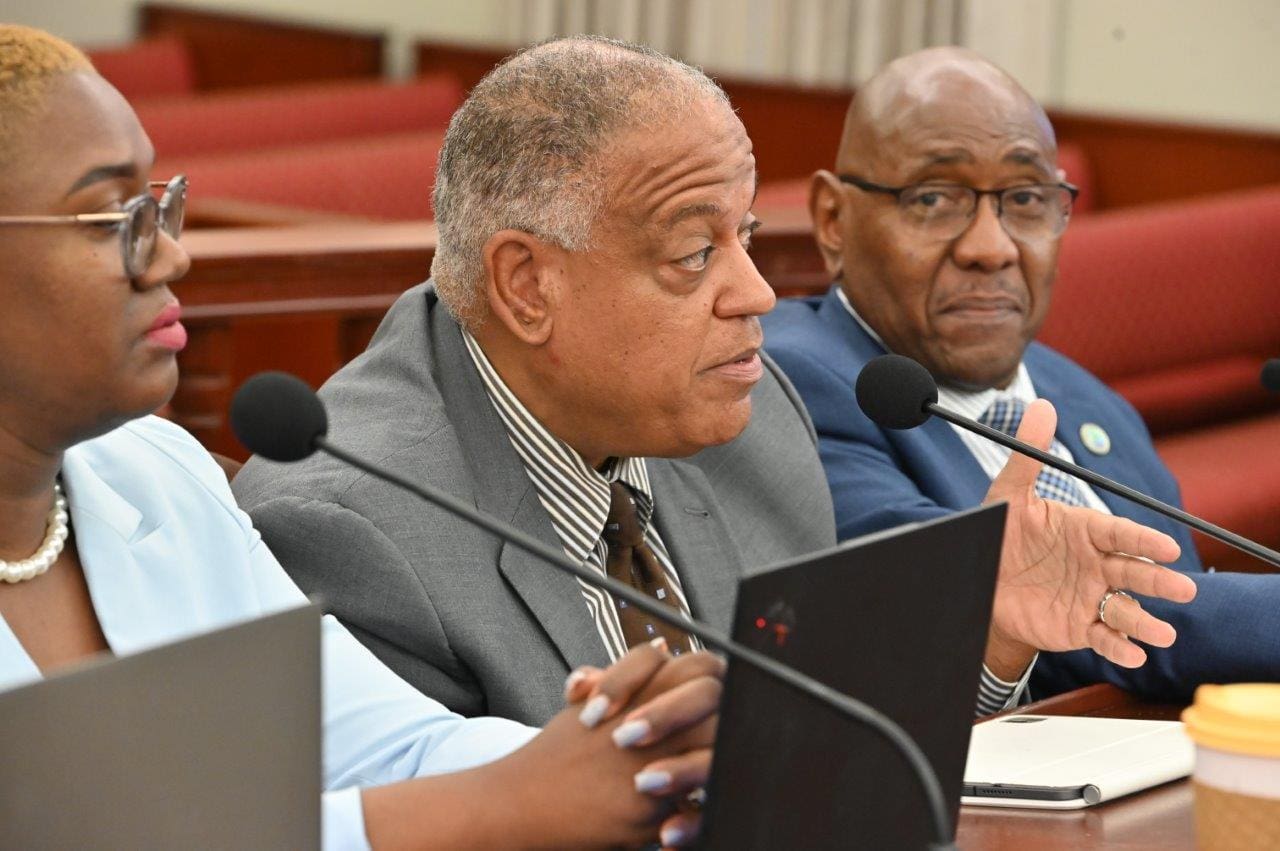
Tourism Commissioner Joseph Boschulte fields questions from senators at Wednesday’s hearing. (Photo by Barry Leerdam Legislature of the Virgin Islands)

During a recent legislative session, Virgin Islands officials laid out ambitious plans to boost tourism on St. Croix, emphasizing efforts to attract more cruise ships, extend port stays, and enhance the islandโ€™s appeal as a premier destination in the Caribbean. These initiatives were outlined by Virgin Islands Tourism Department Commissioner Joseph Boschulte and other stakeholders at Wednesday’s Committee of the Whole Senate hearing.ย 

One of the key proposals discussed was to allow cruise ships to operate their onboard casinos while docked on St. Croix. This move, officials argued, would encourage ships to extend their stays, providing passengers with more time to explore the island and infusing the local economy with additional revenue. “This legislation makes St. Croix a more attractive destination compared to our competitors,” said Boschulte. “It enhances the value proposition for cruise lines, leading to additional cruise calls, longer port stays, and ultimately, a positive economic impact on the island.”

The proposal builds on an existing law that already permits cruise ships to operate casinos while docked on St. Thomas and St. John. Boschulte and other officials emphasized that extending this benefit to St. Croix could significantly boost tourism, as cruise passengers often leave early to reach international waters where gambling is permitted. “Allowing casinos to remain open while the ships are docked can be a game-changer,” Boschulte noted. “Itโ€™s about enhancing the overall visitor experience and making St. Croix a destination that cruise lines want to return to.”

Assistant Executive Director of the Virgin Islands Port Authority, Bill Rollins, also testified in support of the proposal, underscoring its potential economic benefits. Rollins highlighted that cruise ships currently spend an average of 10 hours in port in Frederiksted but often depart earlier than planned due to restrictions on onboard casino operations. By extending the time ships can remain docked, local businesses stand to gain significantly. “Longer stays mean more time for passengers to shop in local stores, dine at restaurants, and take part in land and sea excursions,” said Rollins. “This will not only improve the visitor experience but also strengthen St. Croixโ€™s position as a desirable cruise destination.”

The proposed legislation is part of a broader strategy to revitalize St. Croixโ€™s economy, which has long lagged behind St. Thomas in terms of cruise traffic. Officials have been working to expand the island’s appeal, citing recent efforts to clean up and modernize facilities in Frederiksted, prune vegetation, improve lighting, and resurface roads. “We need to ensure that St. Croix is not just a stop on the itinerary but a highlight of the trip,” said Boschulte. “Weโ€™re investing in infrastructure improvements that will make the island more welcoming and enjoyable for all visitors.”

Officials are optimistic that these efforts will result in a tangible economic boost. Rollins noted that the Virgin Islands Port Authority anticipates an 18 percent increase in cruise ship calls across the territory, with over 600 scheduled visits in the 2025 fiscal year, spanning from October 2024 to September 2025. St. Croix is expected to see the most significant growth, with 102 scheduled calls, up from 67 the previous year. This increase is largely attributed to strategic partnerships with major cruise lines, including the Royal Caribbean Group, which has committed to increasing its presence on the island.

“The growth we are seeing is no accident,” Rollins said. “Itโ€™s the result of dedicated efforts to improve the cruise experience on St. Croix, making it a destination that cruise lines see value in bringing their guests to.”

Officials are also exploring partnerships with cruise lines for water provisioning, a move that could further benefit the local economy. “This is an opportunity to engage in long-term collaboration with cruise companies, ensuring that their needs are met while also supporting local businesses,” Boschulte said. In addition, there are plans to improve safety measures, including increased police presence in high-traffic tourist areas, to ensure visitors feel secure while exploring the island.

The legislative session also saw debate over the need for infrastructure improvements. Some senators raised concerns about Frederiksted’s readiness to handle an influx of visitors, pointing out issues like inadequate restroom facilities and a lack of evening activities. Boschulte acknowledged these concerns, stating that the Tourism Department is committed to addressing them. “We want to make sure that when passengers disembark, they have plenty of options to experience the best of what St. Croix has to offer,” he said.

While the new tourism initiatives have been met with enthusiasm from many lawmakers, some remain cautious. “We need to ensure that any investments are sustainable and actually lead to long-term economic benefits,” one senator said. “Itโ€™s important that we not just increase traffic but also create lasting opportunities for local businesses and residents.”

CZM Hears Magens Bay-Mainland Fiber Optic Link Plan

0
A fiber-optic cable linking St. Croix to Florida would branch off and surface from the sea about half-way through Peterborg. (Photo courtesy Trans Americas Fiber)

A company planning to lay state-of-the-art fiber-optic cable from the mainland to St. Croix told Coastal Zone Management officials of the planโ€™s St. Thomas portion Thursday.

Representatives of Trans Americas Fiber said the 1,346-mile cable would stretch from Vero Beach, Florida, to Butler Bay, St. Croix, in 2026. If CZM approves, Trans Americas Fiber plans to have the 14.5-mile St. Thomas leg in place in 2025, providing a dramatic upgrade in internet bandwidth and connectivity, company officials said.

The two- or three-inch diameter cable would run along the oceanโ€™s floor north of Inner and Outer Brass islands before turning into Magens Bay. Divers would ensure the line didnโ€™t interfere with undersea life in the area, which included some coral listed as threatened, said Benjamin Keularts, an environmental engineer with Tysam Tech, a company that consulted on the project.

Seagrass in the area was an invasive species but still an important fish habitat to be avoided, he said.

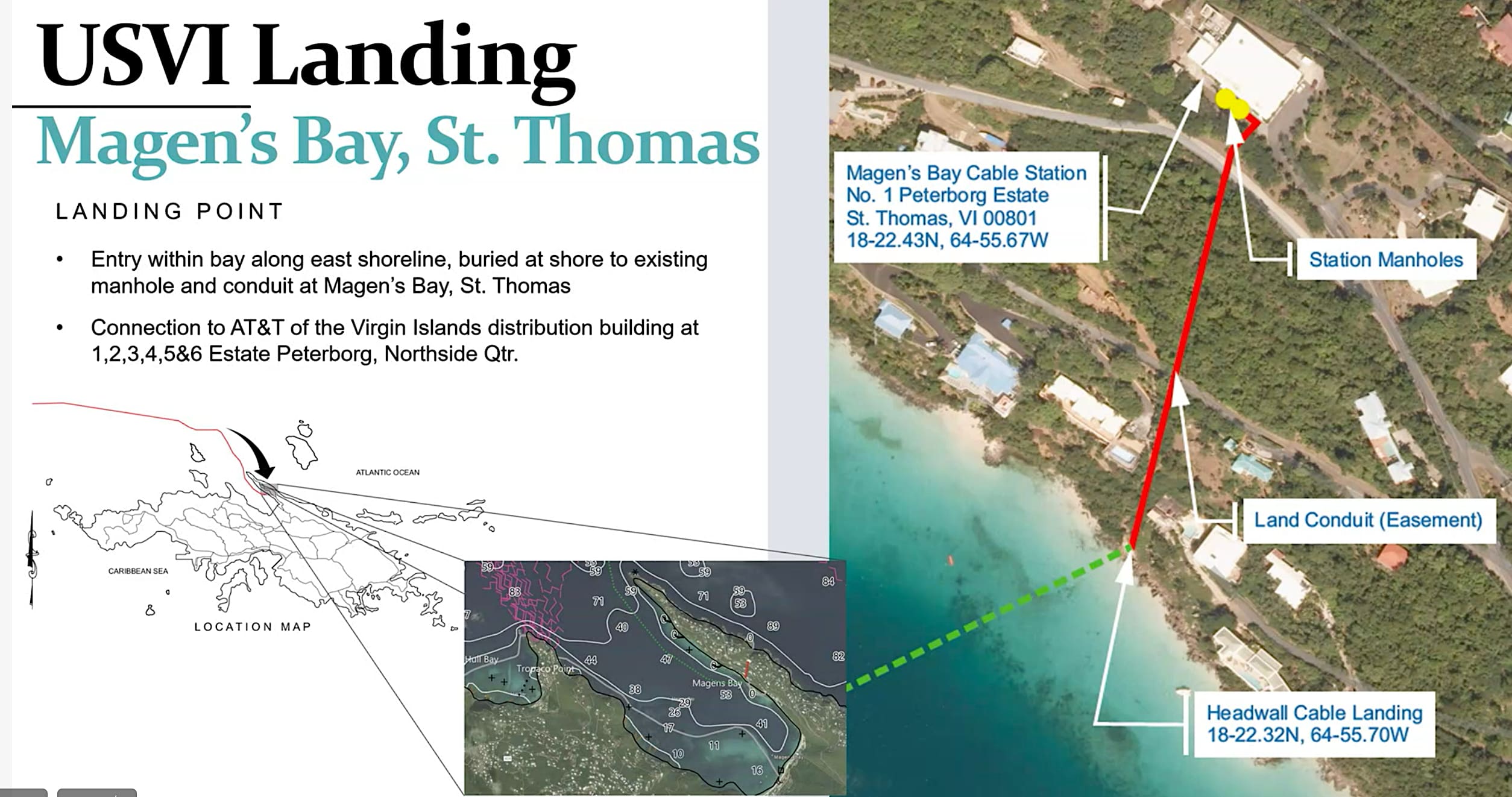
The route is shared by as many as 17 other undersea cables, Keularts said. Roughly a dozen cables emerge in Peterborg where the Trans Americas Fiber line will come up and connect to AT&Tโ€™s facility at the top of the hill, he said.

A 2022 review of the site and existing cables in the area revealed they were not moving with the current and were free of abrasions or other damage, Keularts said. The double-armored lines would be guided into place with buoys then sunk with the aid of divers.

โ€œThe idea is for these cables to last for decades,โ€ he said. โ€œA cable can be placed and routed to the existing easement.โ€

The cable would be winched up a new manhole about 3,000 feet northwest of Magens Bay Beach. The area is already a no-anchoring zone but CZM officials suggested updating nautical maps would be a necessary step.

Trans Americas Fiber would own the line, with its services leased to AT&T and potentially other telecommunications providers, he said. Other branches of the line bound for St. Croix would stretch to Tortola, Puerto Rico, Panama and two locations in Colombia.

Dennis Peters, vice president at Gulf South Research Corporation, told the CZM the cable would help drastically improve the territoryโ€™s internet service, help better link people around the planet, and increase telecommunications stability and security.

โ€œThere is such a global need for expanded internet,โ€ Peters said. โ€œWhat we see is the greater need.โ€

Stacey Plaskett, the territoryโ€™s delegate to Congress, has said a fiber-optic cable linking the U.S. mainland and the continent of Africa via the Virgin Islands would be an economic boon and help fight trans-Atlantic crime.

Plaskettย introduced legislationย in 2023 that would authorize an undersea fiber-optic cable connecting New York, Virginia, and St. Croix with Lagos, Nigeria, and Ghana. The DiasporaLink Act, she said, would establish high-speed internet connection to Africa and throughout the Caribbean from the U.S. mainland. No such direct link currently exists, with most cables running from New York to Europe before routing to Africa. The closest direct link is with Brazil.

Roughly 400 undersea cables carry 98 percent of the worldโ€™s internet data and an increasing share of telephone communications, Plaskett said.

Virgin Islands Next Generation Network (viNGN), the company that provides internet access to providers like Liberty VI and Viya, alsoย praised DiasporaLink, saying internet stability and resilience were much needed.

The CZM meeting also featured a plan to upgrade the wastewater treatment plant at Cowpet Bay West, which would increase the propertiesโ€™ wastewater treatment plant. The project will also include complete structural repairs of ocean facing balconies on all units.

Jobs - Click Here